If you have ever pulled a pan of cornbread from the oven only to find it dry, crumbly, or just flat-out disappointing, you are not alone and more importantly, you are not doomed to repeat it. Making truly great cornbread is less about a secret ingredient and more about understanding a handful of small but meaningful techniques that make the difference between a loaf that crumbles into dust and one that comes out golden, tender, and so moist you barely need the butter. (Though you should still use the butter.)
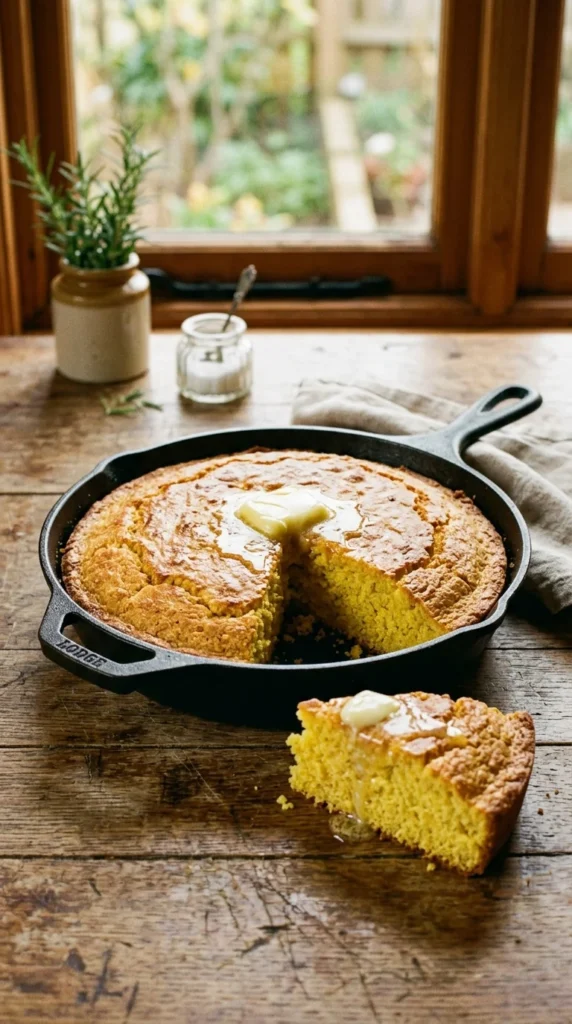
Here is exactly how to get it right every single time.
Start With the Right Ingredients
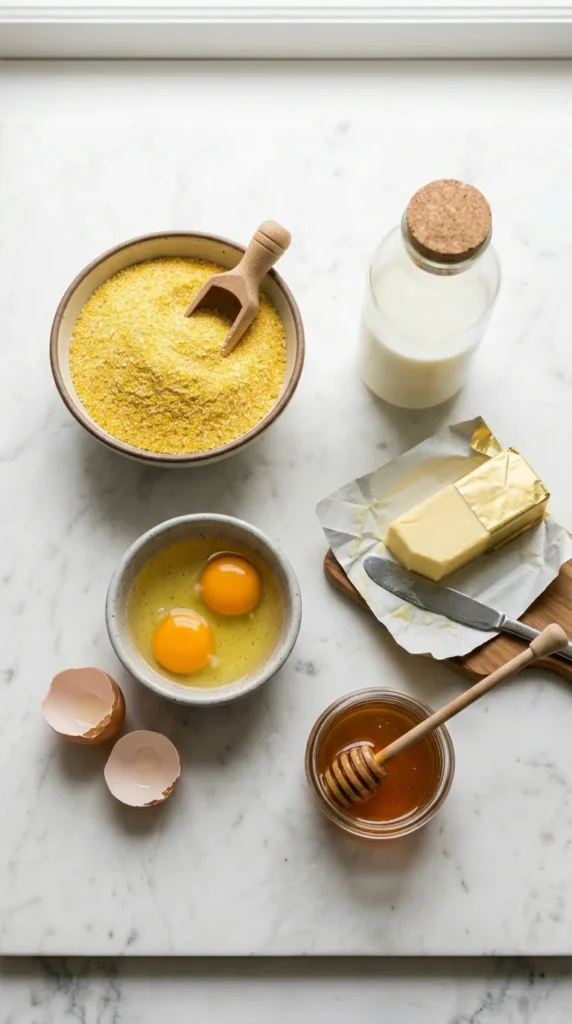
The foundation of great cornbread is simple, but each ingredient pulls its weight. Here is what you actually need:
- Yellow cornmeal Stone-ground gives the best flavor and a slightly heartier texture. Fine-ground works too and produces a softer crumb.
- All-purpose flour Equal parts cornmeal and flour keeps the bread tender and gives it structure so it holds together when sliced.
- Buttermilk This is the moisture secret. The acidity tenderizes the crumb and reacts with baking soda to create a light, airy texture. No buttermilk? Stir 1 tablespoon of white vinegar into 1 cup of whole milk and let it sit for 5 minutes.
- Two large eggs add richness and help the bread hold its shape.
- Butter Melted, not oil. Butter gives the bread flavor that vegetable oil simply cannot match.
- A small amount of sugar Optional, and debated. Even just a tablespoon rounds out the flavor without making it taste like cake.
Mix It Gently This Part Matters More Than You Think
Overmixing is the number one reason cornbread turns out tough and dense. The moment your wet and dry ingredients come together, stop stirring.
- Mix dry ingredients in one bowl, wet ingredients in another.
- Make a well in the center of the dry ingredients and pour in the wet.
- Stir with a wooden spoon or spatula 10 to 12 folds maximum. Lumps in the batter are completely fine. They disappear during baking.
Treat the batter like you would muffin batter: gently and quickly.
Use a Hot Cast Iron Skillet
This single step is what separates good cornbread from great cornbread.
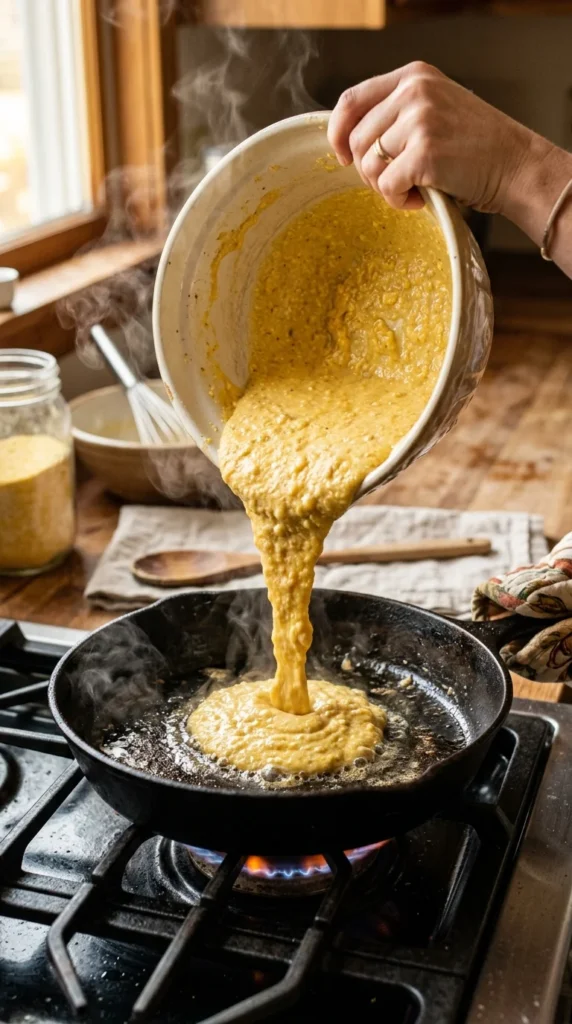
Place your cast iron skillet in the oven while it preheats to 425°F (220°C). Let it heat for at least 10 minutes. When you pull it out and add a tablespoon of butter, that butter should sizzle loudly, that is the sound of a good crust forming before the batter even goes in.
Pour your batter into the hot, buttered skillet and listen for that satisfying sizzle on contact. That immediate heat contact is what creates the dark, crispy bottom crust that makes cast iron cornbread so different from anything baked in a cold pan.
No cast iron? A 9×9-inch metal baking pan works by just preheating it too.
Bake Until Just Golden Not a Minute Longer
Overbaking is the second major reason cornbread dries out. Here is how to know when to pull it:
- Bake at 425°F for 20–24 minutes.
- The top should be deep golden brown and the edges should be pulling away slightly from the sides of the pan.
- Insert a toothpick in the center should it come out clean or with just a crumb or two.
- The bread should spring back slightly when you press the center gently.
Pull it out the moment it passes the toothpick test. It will continue to set slightly as it rests.
Let It Rest Before You Slice
Five to ten minutes of resting time makes a real difference. The crumb finishes setting, the steam redistributes through the bread, and the whole thing slices more cleanly without falling apart. Use those few minutes to slice your butter, warm your honey, or pour yourself something cold to drink.
The Finishing Touch: Serve It While It’s Warm
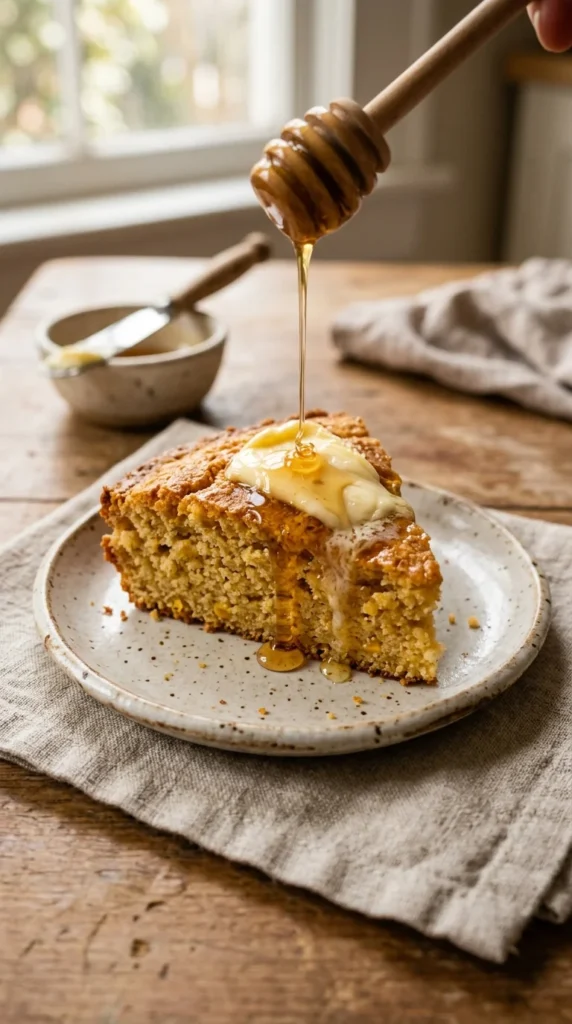
Cornbread is at its absolute best within the first 20 minutes out of the oven. That is when the crust is still slightly crisp, the interior is warm and pillowy, and the butter melts on contact. Here are a few ways to serve it:
- Classic A wedge with salted butter and a drizzle of raw honey.
- Savory Alongside a bowl of chili, beans, or pulled pork.
- Sweet Topped with a spoonful of jam or a dusting of powdered sugar for a brunch spread.
- Indulgent Crumbled into a bowl of warm milk for the old-fashioned Southern way.
You Are Closer Than You Think
Making soft, moist, golden cornbread really does come down to four things: good buttermilk, gentle mixing, a hot cast iron pan, and knowing when to pull it from the oven. Master those, and every batch will come out exactly the way you want it.
Save this article for your next baking day, pin it to your comfort food board, and share it with anyone who has ever suffered through a dry piece of cornbread. They deserve better and now they can have it.
Leave a Reply