If your stir-fried veggies always end up limp, watery, or more like steamed salad than a sizzling takeout-style dish, you’re not alone. Stir-frying sounds simple, but a few small missteps can turn crisp vegetables into mush fast. The good news? Once you understand what causes sogginess, fixing it is easy—and quick.
This guide will show you exactly how to get tender-crisp vegetables with great color, bold flavor, and that irresistible wok-seared bite every time.
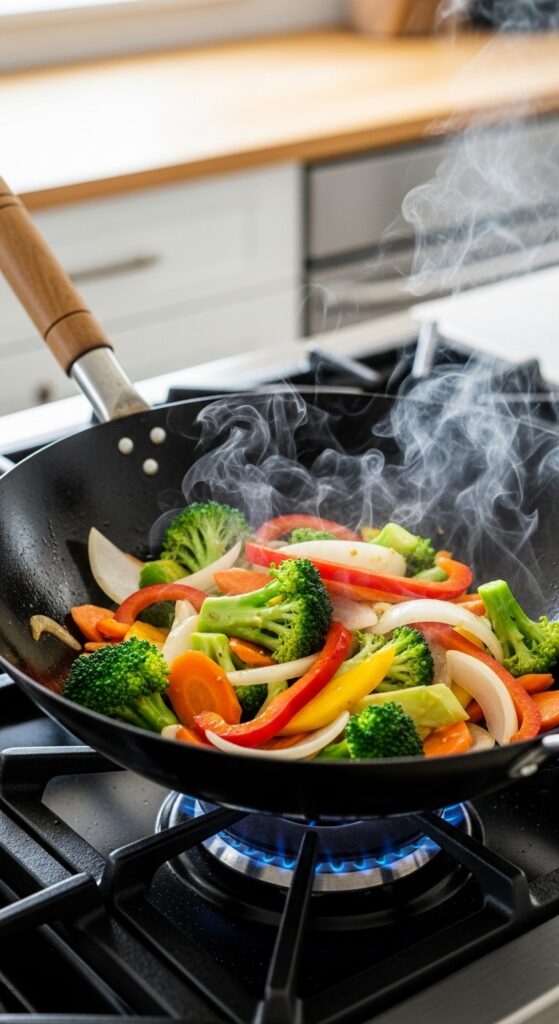
Step 1: Prep Everything Before You Turn on the Heat
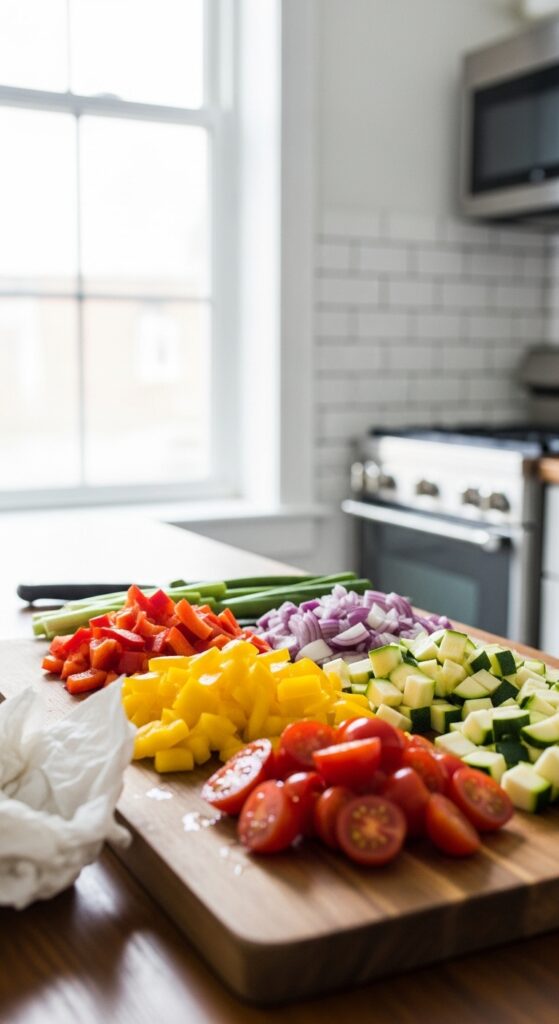
Stir-frying moves fast. If you stop to chop while cooking, your vegetables will overcook before you know it.
Before heating the pan:
- Wash and thoroughly dry all vegetables
- Cut pieces to similar sizes for even cooking
- Separate vegetables by cook time (hard vs. soft)
Watery vegetables are a major cause of sogginess, so drying them well matters more than you think.
Step 2: Use High Heat (Higher Than You Think)
Stir-frying is not a low-and-slow method. You want fast cooking that sears the outside before moisture has time to release.
Here’s how to get it right:
- Preheat your pan for 1–2 minutes before adding oil
- Use medium-high to high heat the entire time
- You should hear a loud sizzle when vegetables hit the pan
If the pan isn’t hot enough, vegetables release water instead of browning—and that’s when sogginess starts.
Step 3: Choose the Right Pan and Don’t Overcrowd It
Crowding traps steam, and steam = mushy vegetables.
Best pan options:
- Wok (ideal)
- Large stainless steel skillet
- Cast iron skillet
Rules to follow:
- Cook in small batches if needed
- Vegetables should sit in a single layer
- If liquid pools in the pan, it’s too full
Yes, this might take an extra minute—but the texture payoff is worth it.
Step 4: Add Oil First, Then Vegetables
Oil creates a barrier that helps vegetables sear instead of steam.
Tips:
- Add oil to the hot pan, then swirl to coat
- Use high-smoke-point oils like avocado, peanut, or canola
- Don’t add vegetables before the oil is shimmering
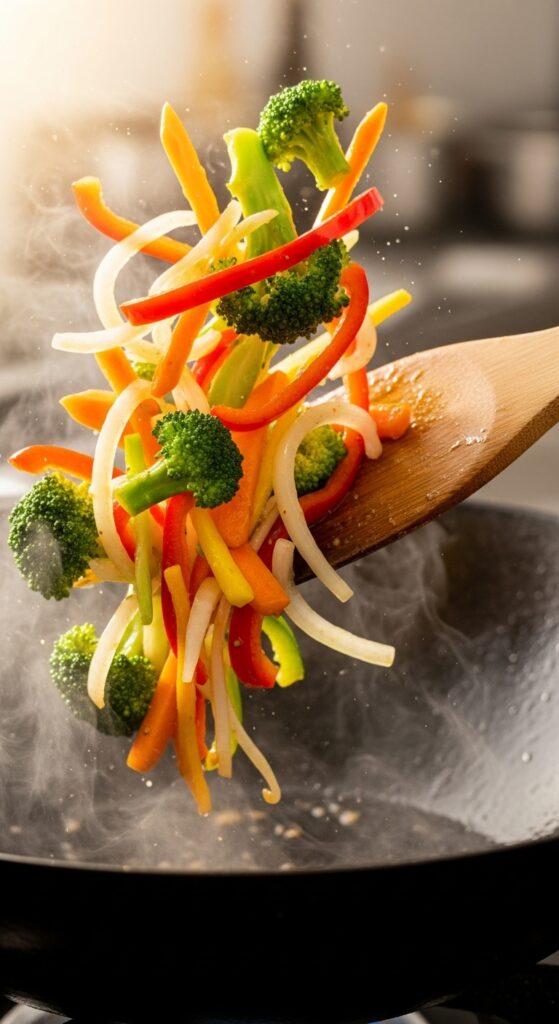
Once the oil is hot, add vegetables immediately and keep them moving.
Step 5: Cook Vegetables in the Right Order
Different vegetables cook at different speeds. Tossing everything in at once almost guarantees sogginess.
General order:
- Hard vegetables (carrots, broccoli stems, cauliflower)
- Medium vegetables (bell peppers, snap peas, onions)
- Soft vegetables (zucchini, mushrooms, leafy greens)
This keeps everything crisp-tender instead of overcooked.
Step 6: Add Sauce at the Very End
Sauce is another major sogginess culprit. Most sauces are water-based, and adding them too early turns your stir-fry into a simmer.
Best practice:
- Cook vegetables almost to doneness
- Push them to the sides of the pan
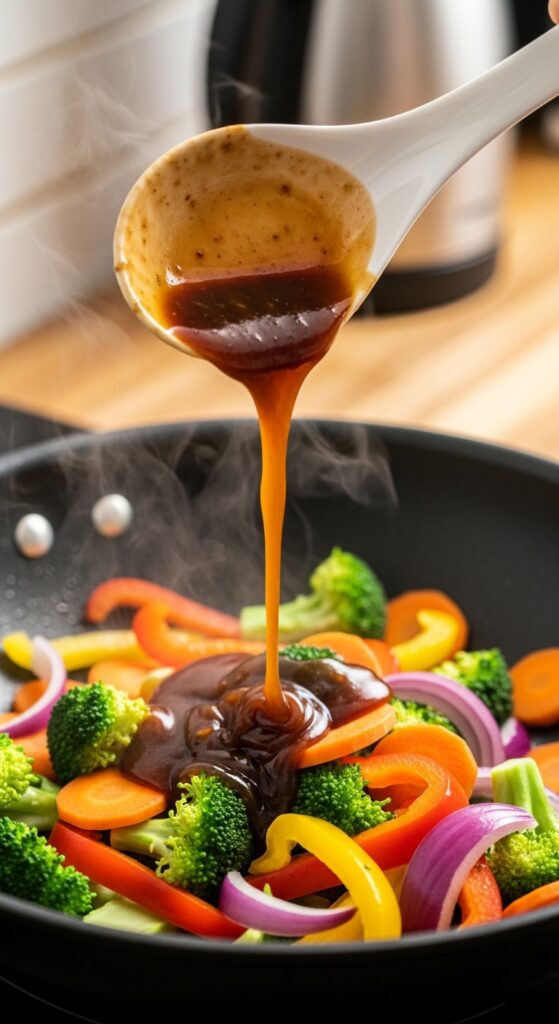
- Add sauce in the center and let it bubble briefly
- Toss everything together quickly
You want coating—not pooling.
Why This Method Works
Soggy vegetables happen when moisture has nowhere to go. High heat, proper spacing, and correct timing allow water to evaporate quickly while locking in texture and flavor.
This approach:
- Encourages browning instead of steaming
- Preserves color and crunch
- Enhances natural sweetness
- Creates that restaurant-style bite
Common Stir-Fry Mistakes to Avoid
- Cooking over medium or low heat
- Adding wet vegetables straight from the sink
- Using too much sauce
- Stirring constantly without letting vegetables sear
- Crowding the pan
Avoid these, and your stir-fries instantly improve.
Pro Tips for Extra Crisp Results
- Pat mushrooms dry before cooking
- Let vegetables sit untouched for 20–30 seconds between stirs
- Finish with a splash of acid (rice vinegar or lemon) after cooking
- Serve immediately—stir-fry does not like to wait
Final Takeaway
Crisp, flavorful stir-fried vegetables aren’t about fancy ingredients—they’re about heat, timing, and restraint. Once you master these basics, soggy stir-fry becomes a thing of the past.
Try this method tonight and taste the difference.
Save this guide for later or pin it for your next weeknight dinner win. 🍜
Leave a Reply