Salt is the most basic ingredient in the kitchen—and somehow the most misunderstood. Too little, and food tastes flat and boring. Too much, and it’s all you can taste. Professional chefs don’t just add salt—they use it intentionally to bring out flavor, balance, and depth.
The good news? You don’t need chef training or fancy salt cellars to season like a pro. You just need to understand how and when to use salt.
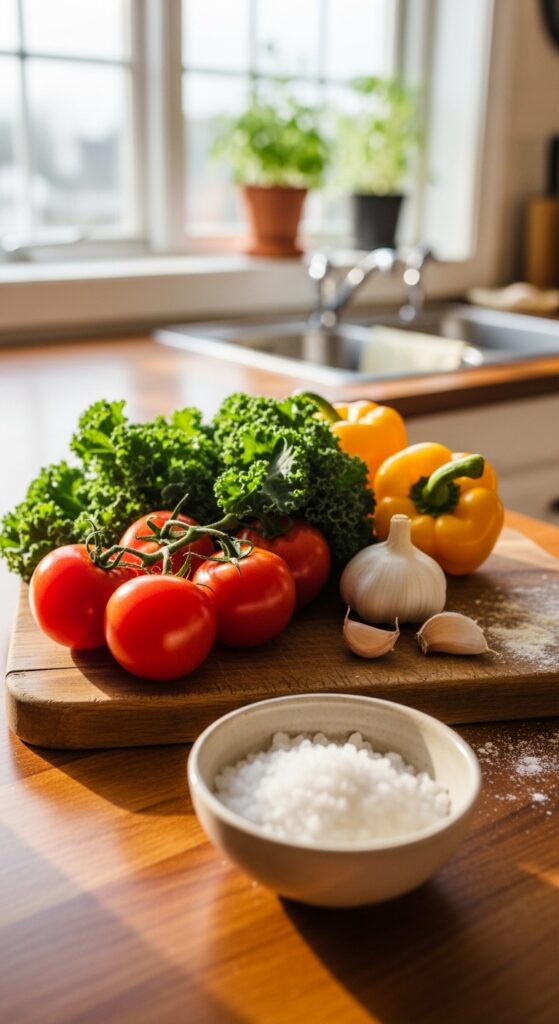
Let’s break it down step by step.
Step 1: Understand What Salt Actually Does
Salt doesn’t just make food salty. Its real job is to enhance natural flavors.
When used correctly, salt:
- Brings out sweetness in vegetables
- Reduces bitterness
- Makes savory flavors taste richer
- Helps ingredients taste more like themselves
Think of salt as a volume knob—not a flavor on its own.
This is why properly seasoned food doesn’t taste “salty.” It just tastes better.
Step 2: Choose the Right Salt for the Job
Not all salt behaves the same, and chefs choose different salts for different moments.
Common types you’ll see chefs use:
- Kosher salt – The everyday workhorse. Easy to pinch and control.
- Fine sea salt – Best for baking or soups where it needs to dissolve quickly.
- Flaky finishing salt – Used at the end for texture and a burst of flavor.
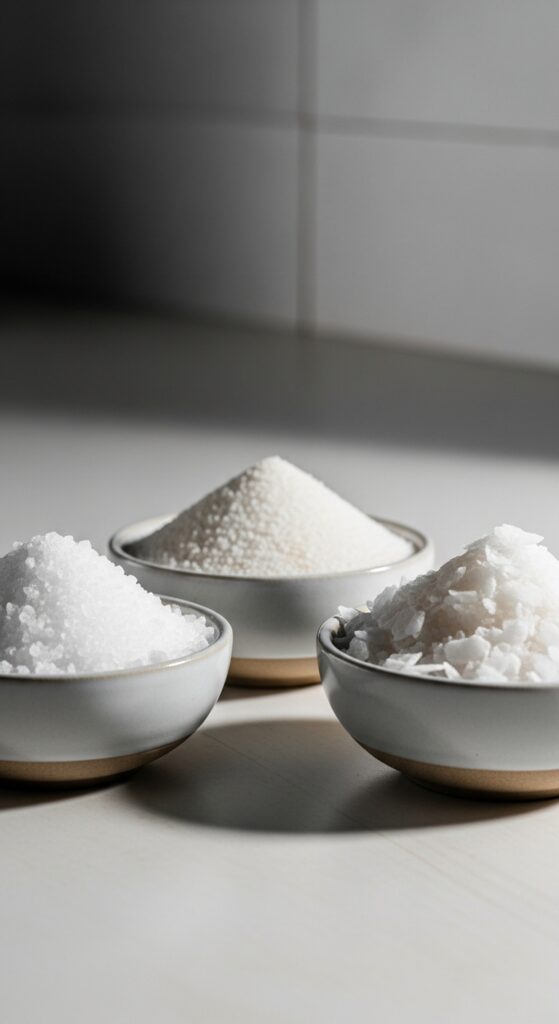
💡 Pro tip: If a recipe just says “salt,” chefs usually mean kosher salt.
Step 3: Season Early, Not Just at the End
One of the biggest differences between home cooks and professionals? Timing.
Chefs season food in layers:
- Salt vegetables as they cook
- Season proteins before cooking
- Adjust seasoning again near the end
Early seasoning gives salt time to:
- Penetrate ingredients
- Draw out moisture
- Build deeper flavor instead of surface saltiness
For example:
- Salt meat 30–60 minutes before cooking
- Add a pinch of salt when sautéing onions
- Season pasta water generously (it should taste like the sea)
Step 4: Learn the Pinch Technique
Chefs rarely shake salt straight from a container. They pinch it.
Why?
- Better control
- Even distribution
- Less chance of oversalting
How to do it:
- Take a small pinch between your fingers
- Hold your hand higher over the food
- Sprinkle evenly, letting it fall naturally
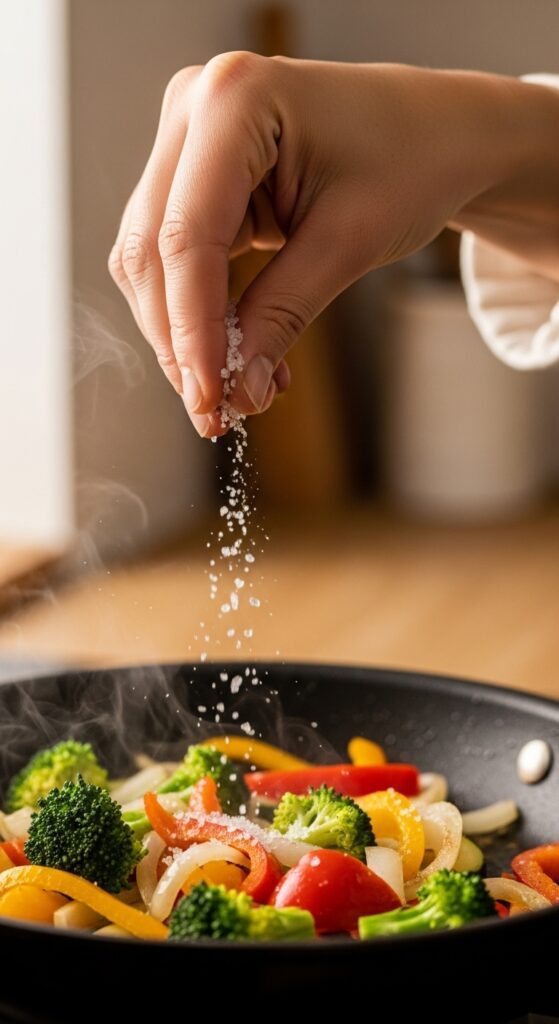
This simple habit instantly makes your seasoning more precise.
Step 5: Taste Constantly (Yes, Constantly)
Professional chefs taste their food all the time.
Not just at the end—but throughout the cooking process.
When tasting, ask yourself:
- Does this taste flat?
- Is it missing brightness?
- Does it need more balance?
If something tastes dull, it usually needs:
- A small pinch of salt
- Or a tiny splash of acid (like lemon or vinegar)
Always adjust gradually. You can add more, but you can’t take it out.
Step 6: Match Salt Levels to the Food
Different foods need different amounts of salt.
General guidelines:
- Meat needs more salt than vegetables
- Starchy foods (potatoes, rice, pasta) need generous seasoning
- Fatty foods can handle more salt
- Fresh salads need lighter, balanced seasoning
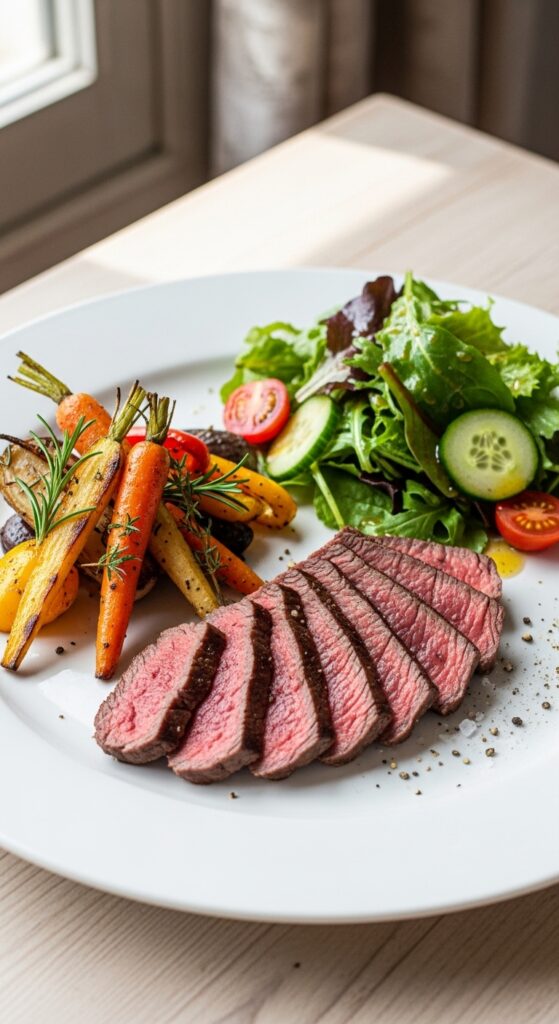
Seasoning is about balance, not rules. Trust your taste buds.
Common Salt Mistakes to Avoid
Even experienced cooks slip up. Watch out for these:
- Adding salt only at the end
- Using the same salt for everything
- Not tasting as you cook
- Oversalting before liquids reduce
- Forgetting that cheese, soy sauce, and broths already contain salt
Awareness alone fixes most of these.
Final Touches: Finish Like a Chef
The final secret chefs use? Finishing salt.
A tiny sprinkle of flaky salt right before serving adds:
- Texture
- Visual appeal
- Little pops of flavor
Use it sparingly—this is the exclamation point, not the sentence.
The Takeaway
Seasoning with salt like a professional chef isn’t about fancy tools or complicated rules. It’s about:
- Understanding flavor
- Timing your seasoning
- Tasting as you go
- Using salt with intention
Once you start thinking this way, your food will instantly taste more confident, balanced, and delicious.
Save this for later, and try these tips in your next meal—you’ll taste the difference. 🍽️✨
Leave a Reply