If you're tired of heavy meals that leave you sluggish, learning how to reduce carbs in recipes can make weeknight cooking lighter without losing flavor. You probably already have staples that need small swaps—like replacing breadcrumbs or regular flour—and a few smart changes can cut carbs while keeping texture and taste.
The secret? A reliable digital kitchen scale for accurate swaps and a 10-inch cast iron skillet for even browning. These tools help you measure lower-carb ingredients and get great crusts without extra carbs.
Read on to learn practical swaps, exact measurements, and real tips to reduce carbs in recipes today. You'll get quick steps, troubleshooting, and product tips you can try this week.
Preparing Your Ingredients to Reduce Carbs in Recipes
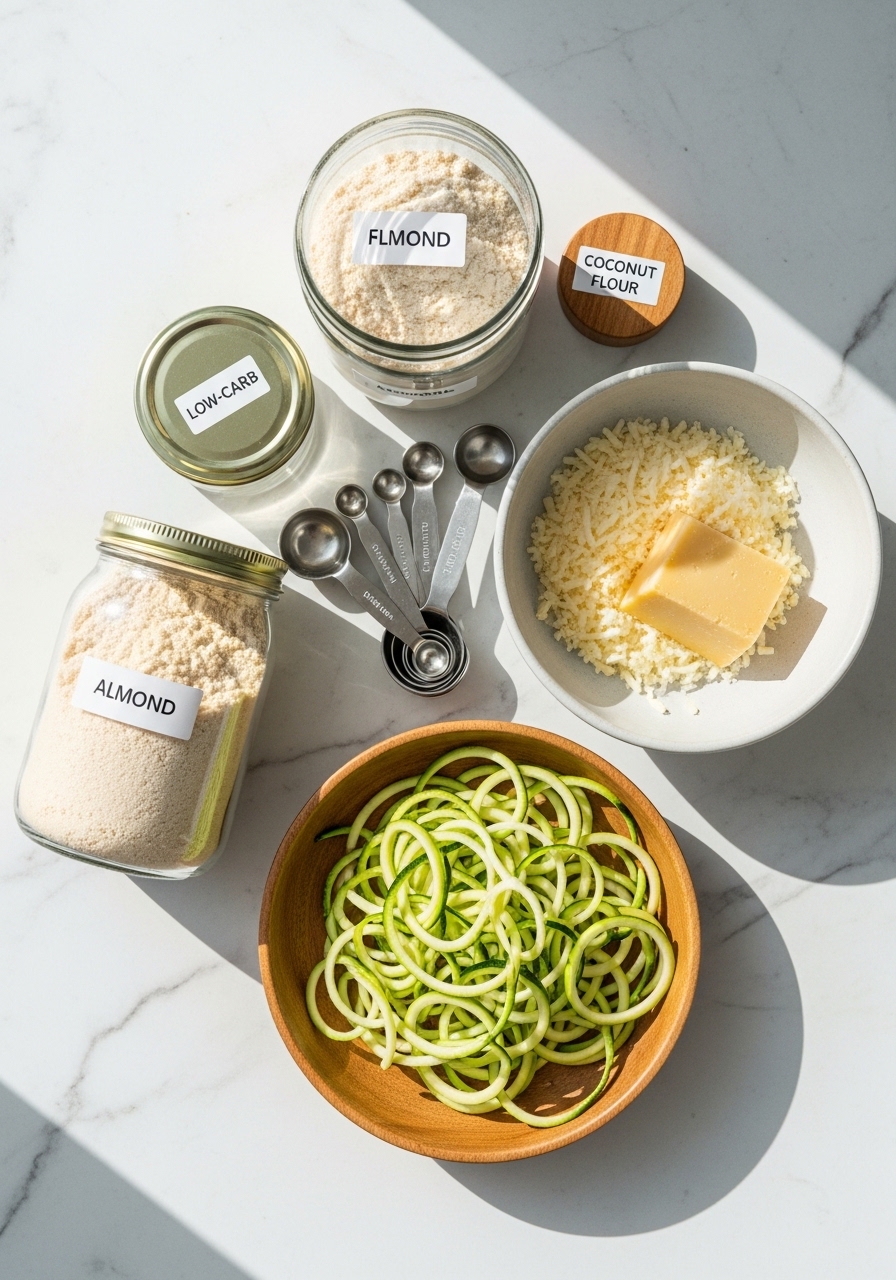
Start by swapping one ingredient at a time so you can judge texture and flavor. To reduce carbs in recipes, weigh dry ingredients instead of using volume—use a digital kitchen scale for consistent results. For batters, replace up to 25–30% of all-purpose flour with almond flour initially.
Tips:
- Use almond flour in a 1:1 tweak for muffins and quick breads in many recipes.
- For denser baked goods, try coconut flour but cut the amount: start with 1/4 cup coconut flour per 1 cup wheat flour and increase eggs to compensate.
- Keep a set of measuring spoons handy for small-volume swaps.
Warning: coconut flour soaks liquid—add an extra egg or 2 when using it.
Swapping Flours & Binders Without Losing Texture
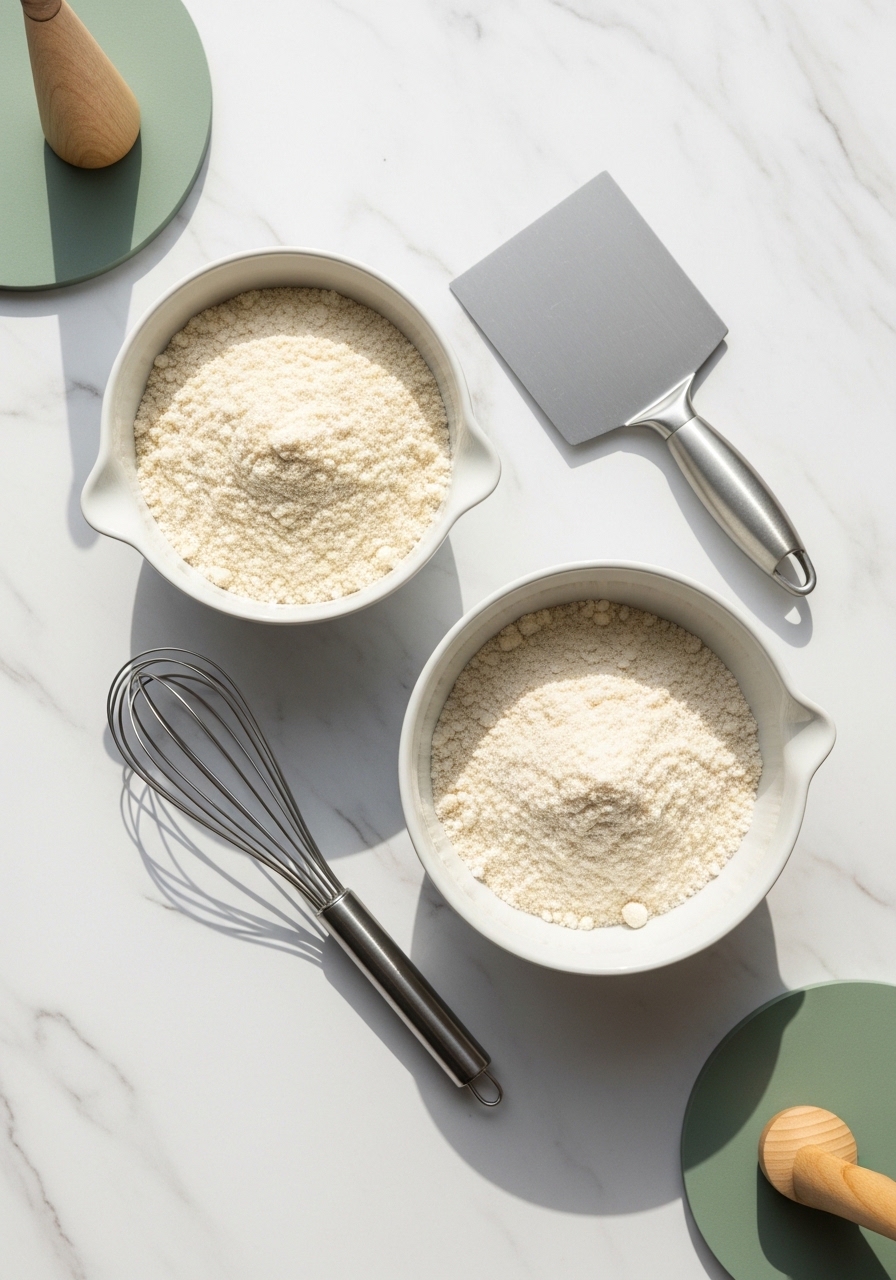
When you want to reduce carbs in recipes like pizza dough or cookies, choose flours and binders that add fat and protein to keep structure.
Steps:
- Replace 50% of all-purpose flour with blanched almond flour in cookies. If dough feels crumbly, add 1–2 tablespoons of cream or an extra yolk.
- For fritters or veggie patties, use egg whites or a flax egg (1 tbsp ground flax + 3 tbsp water) as binder.
- Try a small amount of psyllium husk (1 tsp per cup of almond flour) to improve stretch for flatbreads.
Product helper: a bench scraper makes folding dense dough easier and keeps counters clean.
Cutting Carbs in Sides, Grains & Pasta Alternatives
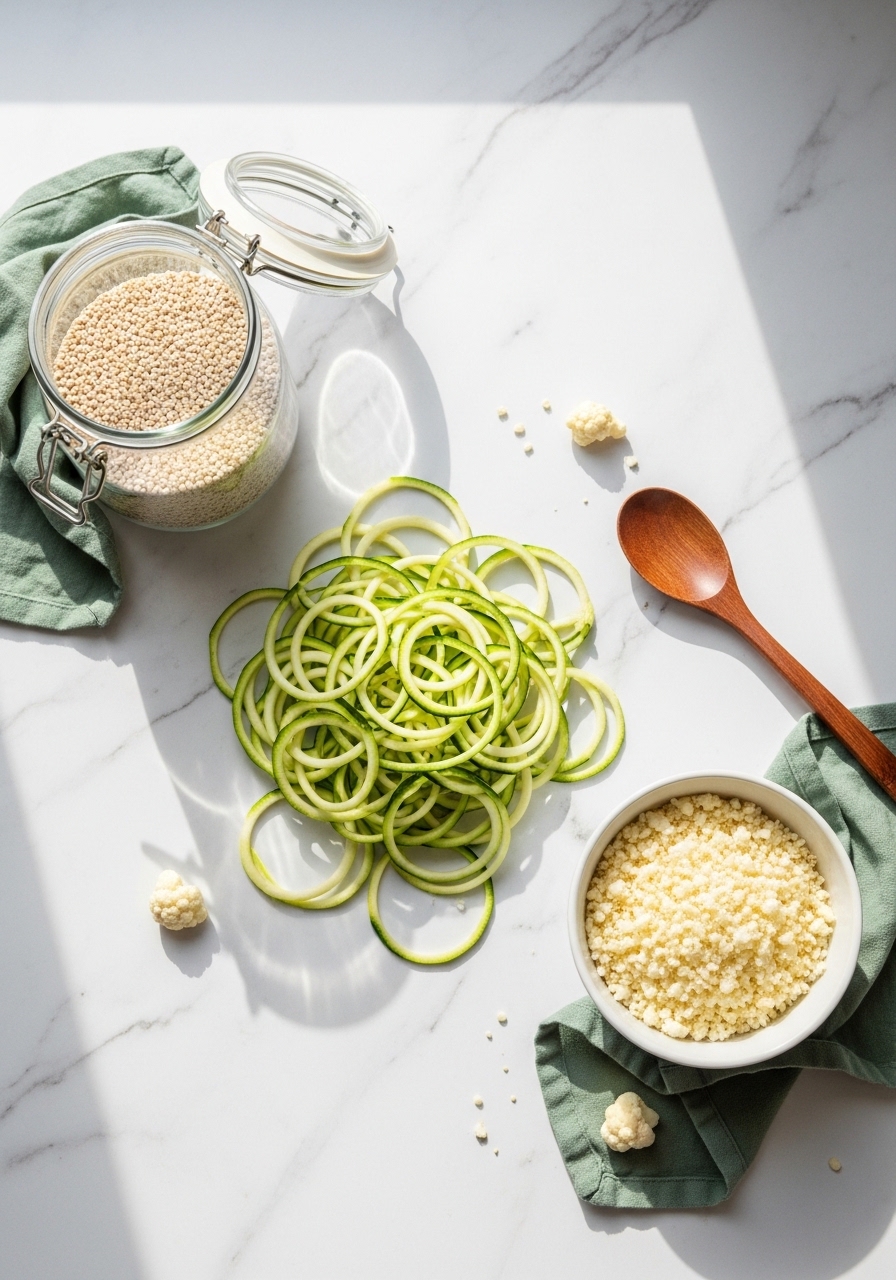
Switching sides is the fastest way to reduce carbs in recipes without touching the main protein.
Quick swaps:
- Use spiralized zucchini (zoodles) in place of pasta. Sauté 3–4 minutes in a 10-inch skillet for best texture—use a non-stick skillet if you prefer.
- Replace rice with riced cauliflower: steam for 3–4 minutes, then drain well.
- For gratins, mix 1 cup riced cauliflower with 1/2 cup cheese to keep creaminess.
Storage tip: portion cooked zoodles into glass meal prep bowls for easy reheating.
Getting Perfect Texture, Doneness, and Finishing Touches
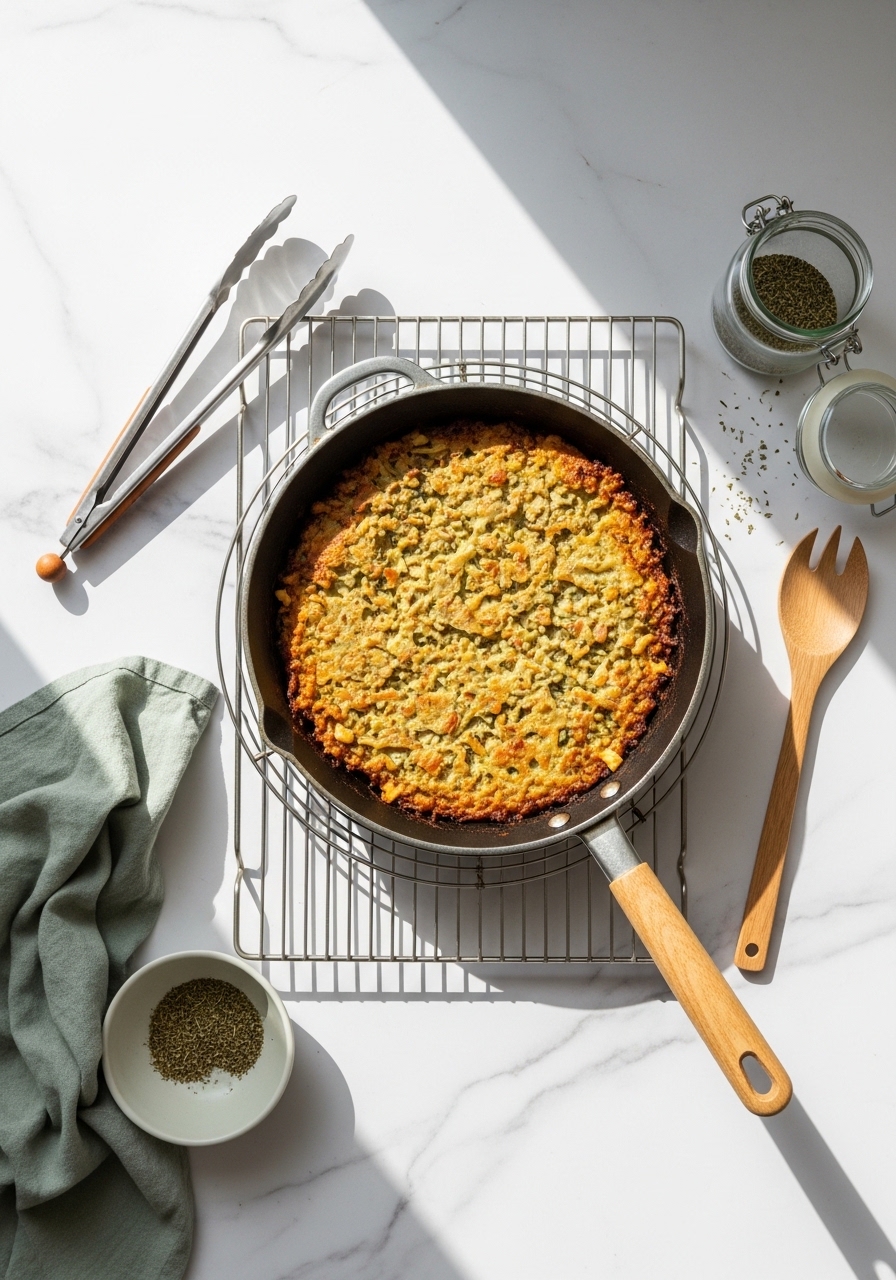
Reduce carbs in recipes and keep food appealing by checking doneness and finishing properly.
How to check:
- Use an instant-read thermometer for meats—look for the recommended internal temp for your cut.
- For baked goods, a toothpick test still works; expect slightly denser crumb when using almond or coconut flour.
Finishing:
- Crisp crusts in a cast iron skillet—preheat the pan 3–5 minutes before cooking.
- Use an offset spatula to spread cheese or toppings evenly.
- Cool baked items on a wire cooling rack to avoid soggy bottoms.
Troubleshoot: if a low-carb cake is too dry, brush with a tablespoon of simple syrup or extra butter before serving.
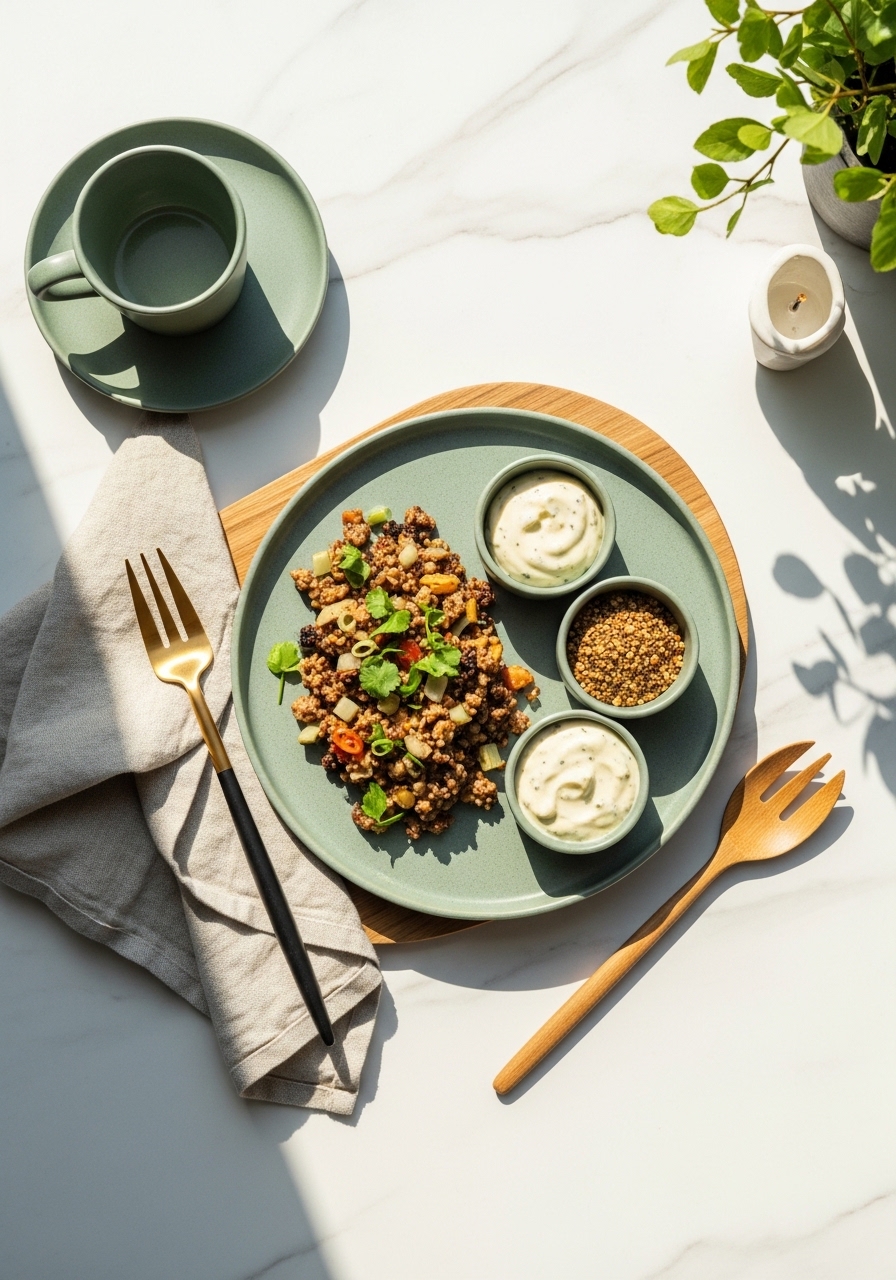
You're set to reduce carbs in recipes without sacrificing flavor. These swaps—along with tools like a digital kitchen scale and an instant-read thermometer—help you make confident adjustments and repeatable results. Pin this guide for quick reference and try one swap tonight: will you swap rice for riced cauliflower or try almond flour in your next cookie batch? Save this for later and share with friends who want lighter meals.
Leave a Reply