Fresh herbs can turn a simple meal into something that tastes restaurant-worthy. The problem? Most people buy a bunch of herbs with good intentions… then panic about how to use them without overpowering the dish. Basil feels wrong in soup, rosemary tastes too strong, and cilantro can go either way.
The good news is this: pairing herbs doesn’t have to be complicated. Once you understand a few basic flavor rules, you’ll start reaching for fresh herbs with confidence—and your food will instantly taste brighter, fresher, and more balanced.

Step 1: Think in Flavor Families
The easiest way to pair fresh herbs is by grouping them by flavor intensity.
Light, fresh herbs work best with delicate foods:
- Basil
- Parsley
- Chives
- Dill
- Cilantro
These herbs shine in:
- Salads
- Fish and seafood
- Eggs
- Fresh vegetables
- Light pasta dishes
Bold, earthy herbs can stand up to richer foods:
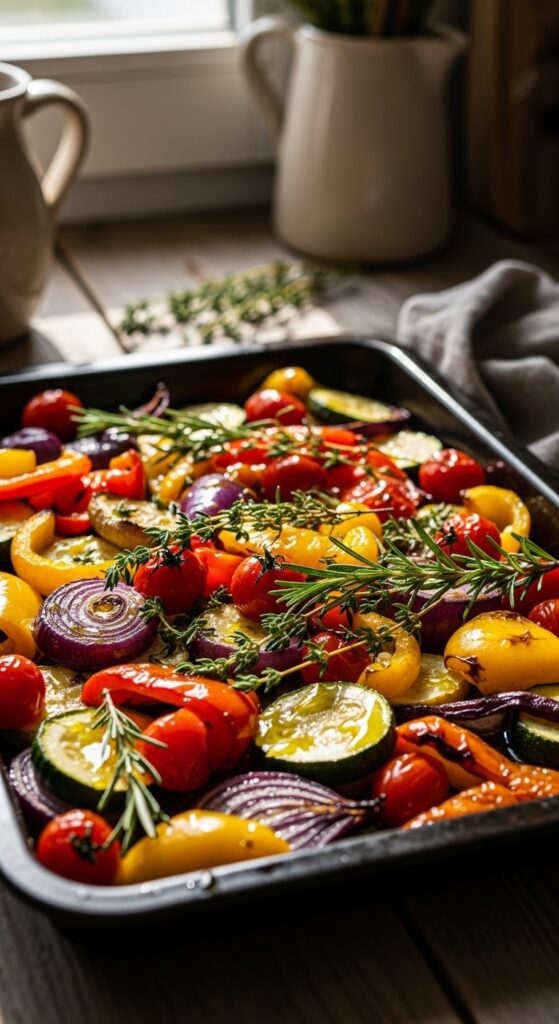
- Rosemary
- Thyme
- Sage
- Oregano
They’re perfect for:
- Roasted meats
- Potatoes
- Stews
- Tomato-based sauces
- Hearty vegetables
If the dish is light, keep the herb light. If the dish is rich or slow-cooked, go bolder.
Step 2: Match Herbs to the Main Ingredient
When in doubt, let the star of the dish guide you.
For meats:
- Chicken → thyme, rosemary, sage
- Beef → rosemary, thyme, oregano
- Lamb → rosemary, mint
- Pork → sage, thyme, rosemary
For fish and seafood:
- Salmon → dill, parsley, chives
- White fish → basil, parsley, cilantro
- Shrimp → cilantro, parsley, chives

For vegetables:
- Tomatoes → basil, oregano
- Potatoes → rosemary, chives
- Mushrooms → thyme, parsley
- Zucchini → basil, mint
This simple matching trick alone will save you from most herb mistakes.
Step 3: Use the Right Amount (Less Is More)
Fresh herbs are powerful. A little goes a long way.
A good rule:
- Start with 1 tablespoon chopped fresh herbs
- Taste
- Add more only if needed
Overdoing herbs can make food taste grassy or bitter. You want herbs to enhance the dish—not dominate it.
For stronger herbs like rosemary or sage, start with:
- 1 teaspoon finely chopped
You can always add more, but you can’t take it out.
Step 4: Add Herbs at the Right Time
Timing matters just as much as pairing.
Add early (for sturdy herbs):
- Rosemary
- Thyme
- Oregano
- Sage
These herbs benefit from cooking time and release flavor slowly.
Add at the end (for delicate herbs):
- Basil
- Parsley
- Cilantro
- Chives
- Dill
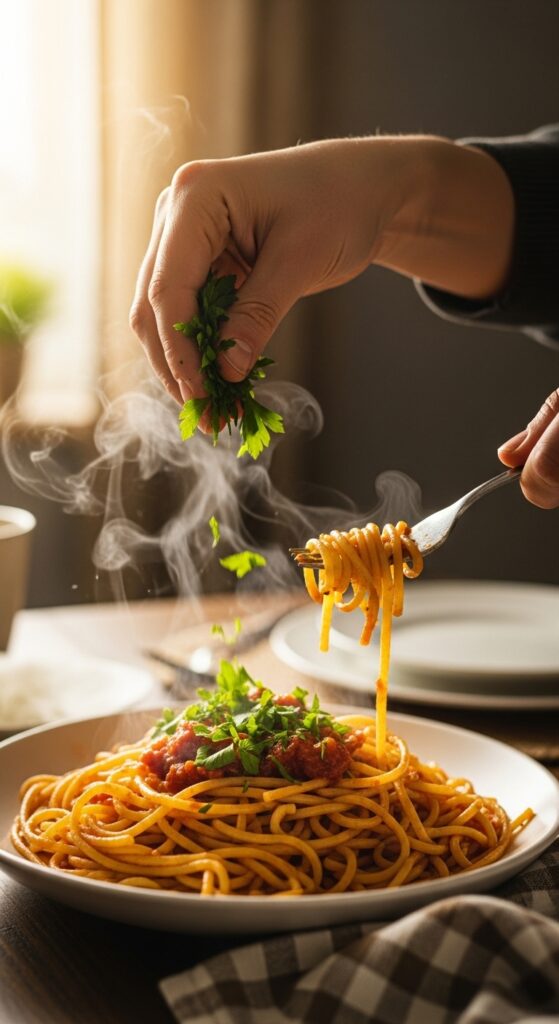
These lose flavor quickly when heated, so sprinkle them on just before serving.
Why Fresh Herbs Work Better Than Dried
Fresh herbs bring:
- Brightness
- Aroma
- Color
- A clean finish
Dried herbs are more concentrated and earthy, which is great for long cooking—but fresh herbs add that final “wow” factor.
If a recipe calls for dried herbs and you want to swap fresh:
- Use 3x the amount of fresh herbs
Example:
- 1 teaspoon dried oregano = 1 tablespoon fresh oregano
Common Herb Pairing Mistakes
Avoid these common slip-ups:
- Mixing too many herbs at once (2 is usually enough)
- Using bold herbs in delicate dishes
- Cooking tender herbs too long
- Forgetting to chop herbs finely for even flavor
Simplicity almost always tastes better.
Pro Tips for Amazing Flavor
- Chop herbs right before using them to keep flavor fresh
- Use sharp knives to avoid bruising
- Finish dishes with a small sprinkle of herbs for color and aroma
- Pair herbs with fats (olive oil, butter) to carry flavor better
Final Touches
Fresh herbs are one of the easiest ways to make home cooking feel elevated—without extra effort. Once you start thinking about flavor strength, main ingredients, and timing, herb pairing becomes second nature.
Try adding just one fresh herb to your next meal and see how much brighter it tastes.
Save this for later, and pin this guide for easy reference the next time you’re cooking.
Leave a Reply