There’s something magical about making pasta from scratch—it feels rustic, comforting, and a little bit like stepping into an Italian kitchen. Fresh pasta is soft, silky, and far more flavorful than the boxed kind. The best part? It only takes a few simple ingredients and a little patience.
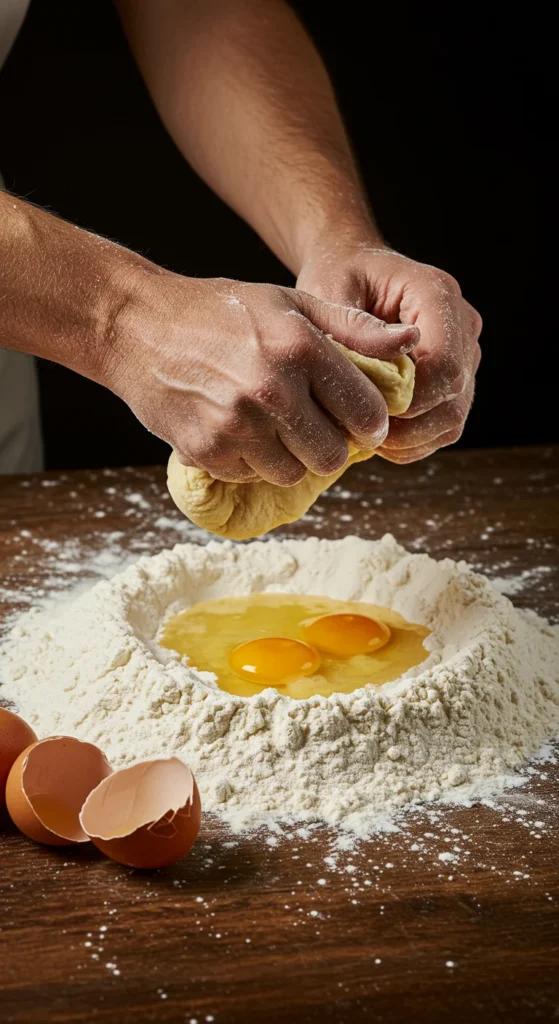
In this guide, I’ll walk you through how to make homemade pasta, step by step, so you can enjoy fresh tagliatelle, fettuccine, or ravioli right from your own kitchen.
Ingredients You’ll Need
The beauty of pasta is in its simplicity. Just a few pantry staples come together to create something extraordinary.
- 2 cups (250g) all-purpose flour (or “00” flour for extra silkiness)
- 3 large eggs (room temperature)
- A pinch of salt
- A drizzle of olive oil (optional)
Step 1: Make the Dough
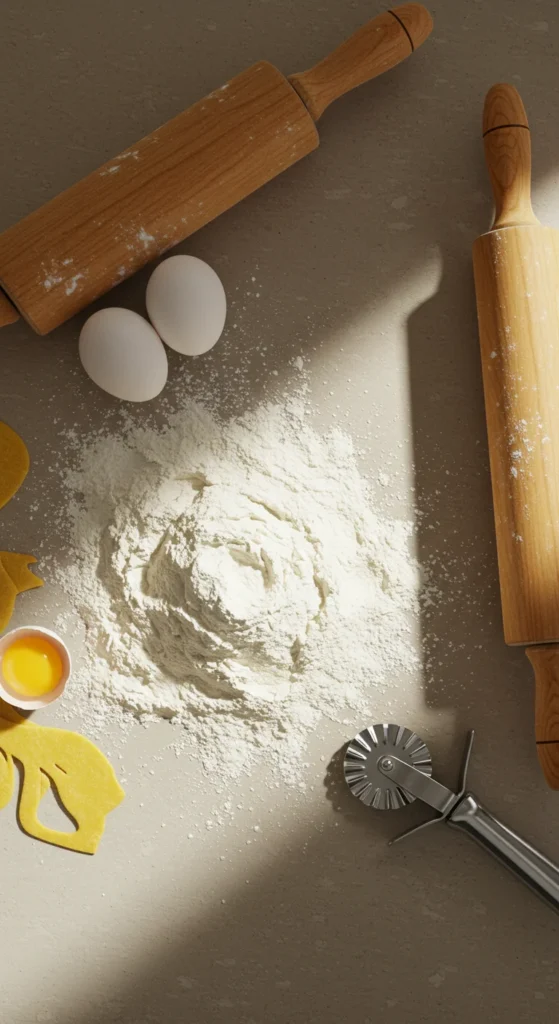
Start by creating a mound of flour on a clean surface. Use your hands or the bottom of a bowl to make a well in the center. Crack the eggs into the well, add a pinch of salt, and drizzle in a touch of olive oil if desired.
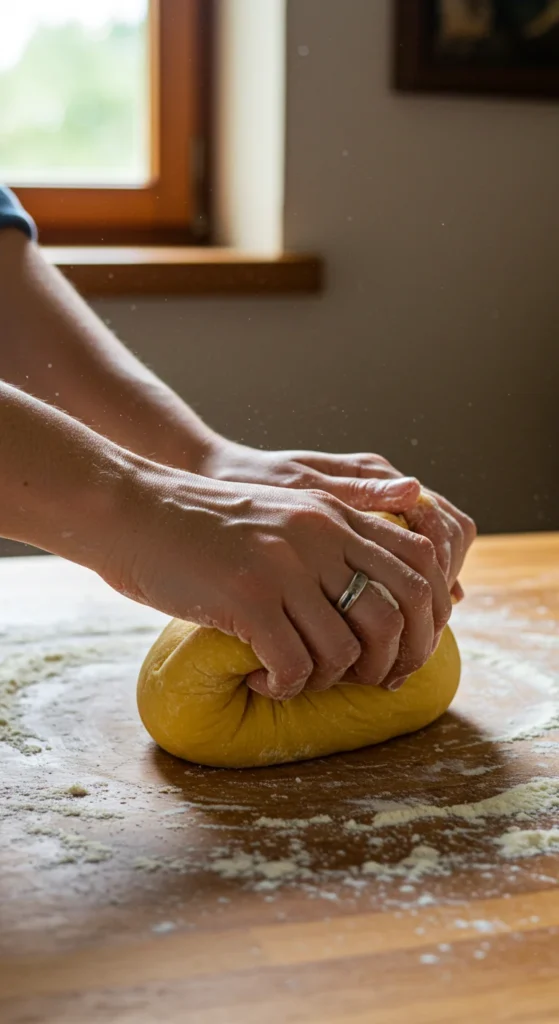
Using a fork, gently whisk the eggs, slowly pulling in flour from the edges. Keep going until a shaggy dough forms. Now, it’s time to get your hands messy—knead the dough for about 8–10 minutes until it becomes smooth and elastic.
Tip: If the dough feels too dry, add a teaspoon of water. Too sticky? Dust with a little more flour.
Step 2: Let It Rest
Once your dough is smooth, wrap it tightly in plastic wrap and let it rest for at least 30 minutes at room temperature. This step is crucial because it allows the gluten to relax, making it easier to roll out later.
While you wait, this is the perfect time to set the table, prep your sauce, or pour yourself a glass of wine.
Step 3: Roll Out the Dough
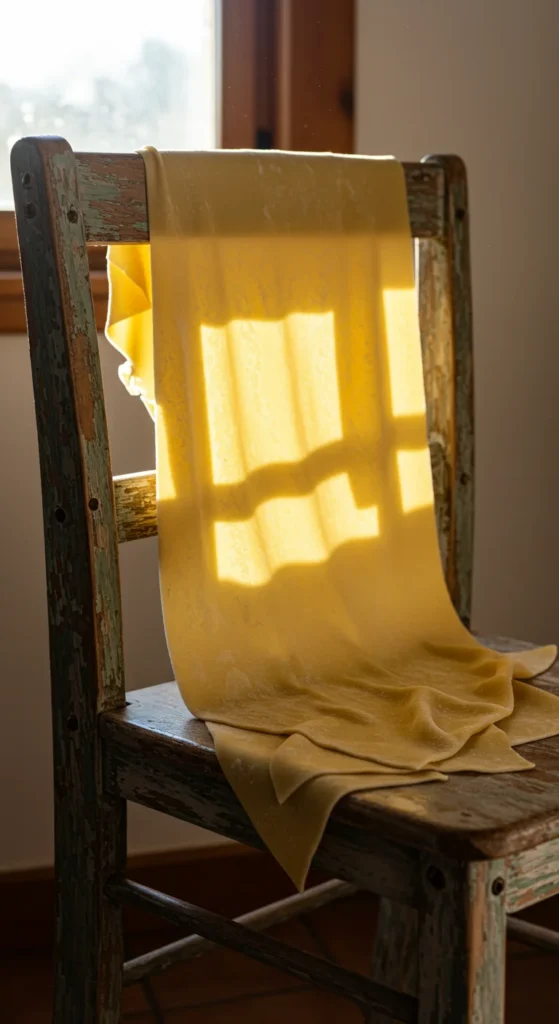
After resting, divide the dough into smaller pieces (this makes rolling more manageable). Using a rolling pin or a pasta machine, roll the dough until it’s paper thin. If you’re using a pasta machine, start on the widest setting and gradually work your way down to the thinnest.
Dust with flour as needed to prevent sticking.
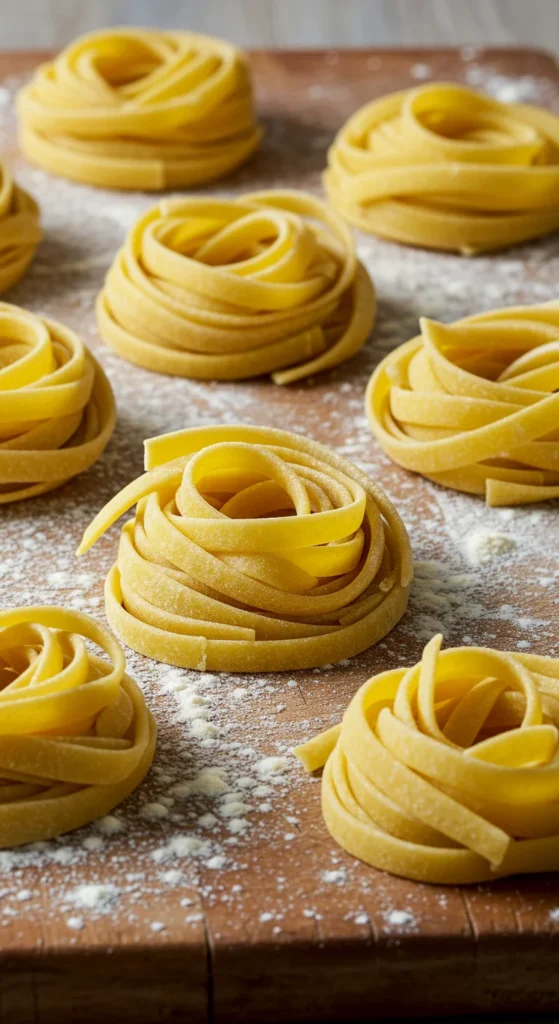
Step 4: Cut and Shape the Pasta
Now comes the fun part—shaping your pasta!
- For fettuccine or tagliatelle, fold the pasta sheet loosely and cut into strips with a sharp knife.
- For ravioli, place spoonfuls of filling on one sheet, cover with another, and seal the edges.
- For lasagna, just cut the sheets into large rectangles.
Dust your cut pasta with a little flour to keep it from sticking together.
Step 5: Cook Your Pasta
Fresh pasta cooks much quicker than dried pasta. Drop it into a pot of boiling salted water and cook for just 2–3 minutes. Taste test—it should be tender but still have a little bite (al dente).
Pair with your favorite sauce—whether it’s a rich ragu, creamy Alfredo, or a simple drizzle of olive oil and Parmesan.
Tips for Perfect Homemade Pasta
- Use “00” flour for the silkiest dough.
- Let the dough rest—don’t skip this step!
- Don’t overcook fresh pasta—it cooks fast.
- Save a little pasta water to mix with your sauce for extra creaminess.
Final Thoughts
Making pasta from scratch is easier than it looks, and the result is absolutely worth it. The process itself is therapeutic, and the end product? A meal that feels special, homemade, and full of love.
So next time you’re craving pasta, skip the box and make your own—you might never go back!
Save this recipe for later and wow your family or friends with fresh, homemade pasta.
Leave a Reply