There’s nothing cozier than a stack of pancakes that feel like a soft, warm cloud. The secret isn’t magic — it’s technique. With a few small adjustments to your batter and cook method, you’ll get tender, airy pancakes that rise, brown evenly, and stay soft even the next day.
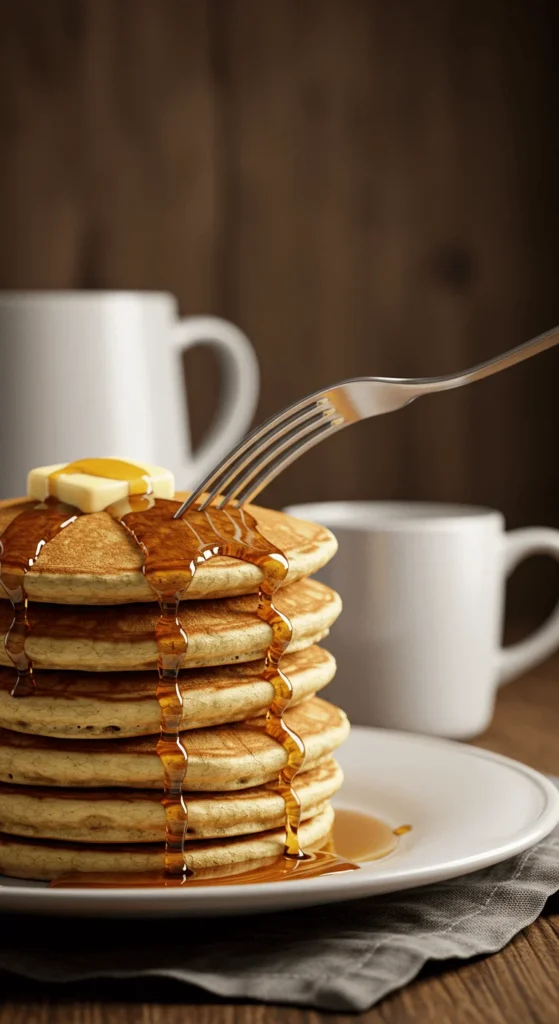
What Makes Pancakes Fluffy (In Plain English)
Fluffiness comes from trapped air and gentle structure.
- Leavening (baking powder/soda) creates gas bubbles that expand in the heat.
- Proper mixing keeps those bubbles intact—overmix and you’ll lose them.
- Buttermilk or milk + acid reacts with leaveners to create lift and tenderness.
- Resting the batter lets flour hydrate and the gluten relax, resulting in a softer crumb.
Short version: mix gently, use fresh leavening, and cook on the right heat.
Ingredients & Tools You’ll Want
Use good basics; nothing fancy required.
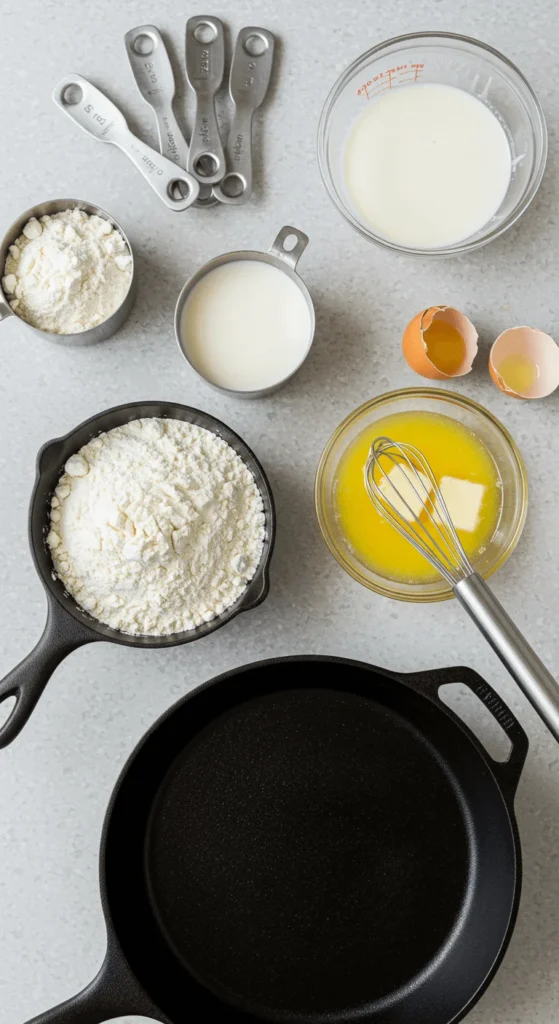
- 1 1/2 cups all-purpose flour
- 2 tbsp sugar (optional)
- 1 tbsp baking powder (or 1 tsp baking soda + 1 cup buttermilk)
- 1/2 tsp salt
- 1 1/4 cups milk or buttermilk
- 1 large egg, room temperature
- 3 tbsp melted butter or oil
- Vanilla extract (optional)
Tools: nonstick skillet or cast-iron pan, ladle or 1/4-cup measure, spatula, whisk, and a cooling rack.
Easy Step-by-Step for Consistent Fluff
1) Mix dry ingredients
Whisk flour, sugar, baking powder, and salt in a bowl to evenly distribute the leavener.
2) Combine wet ingredients
In another bowl, whisk milk, egg, melted butter, and vanilla until smooth.
3) Fold, don’t beat
Pour wet into dry and fold gently until you see streaks disappear. A few small lumps are fine. Overmixing develops gluten and yields dense pancakes.
4) Rest the batter (5–15 minutes)
Letting the batter sit hydrates the flour and helps bubbles form. It’s a small step with a big payoff.
5) Preheat the pan
Heat your skillet over medium. Once hot, reduce to medium-low. A drop of batter should sizzle gently and form bubbles slowly.
6) Cook with patience
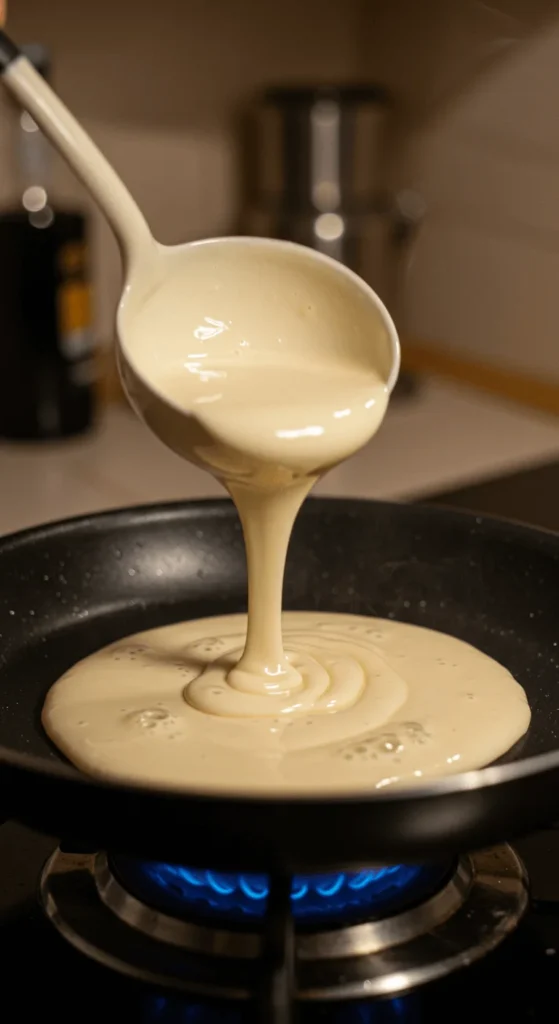
Spoon 1/4-cup batter per pancake. Wait until bubbles appear and the edges look set (about 2–3 minutes), then flip and cook 1–2 minutes more. Don’t press down—pressing squeezes air out.
Pro Tips for Extra Lift & Tenderness
- Use buttermilk when possible — it reacts with baking soda for extra fluff.
- Separate egg whites: For party-level fluff, whip the whites to soft peaks and fold them in last.
- Don’t overbake: Pale golden is perfect. Overbaking dries them out.
- Keep warm: Place cooked pancakes on a cooling rack in a low oven (200°F / 95°C) to avoid sogginess.
- Fresh leavening: Test baking powder by dropping a little in hot water — it should fizz immediately.
Flavor Variations (Quick Ideas)
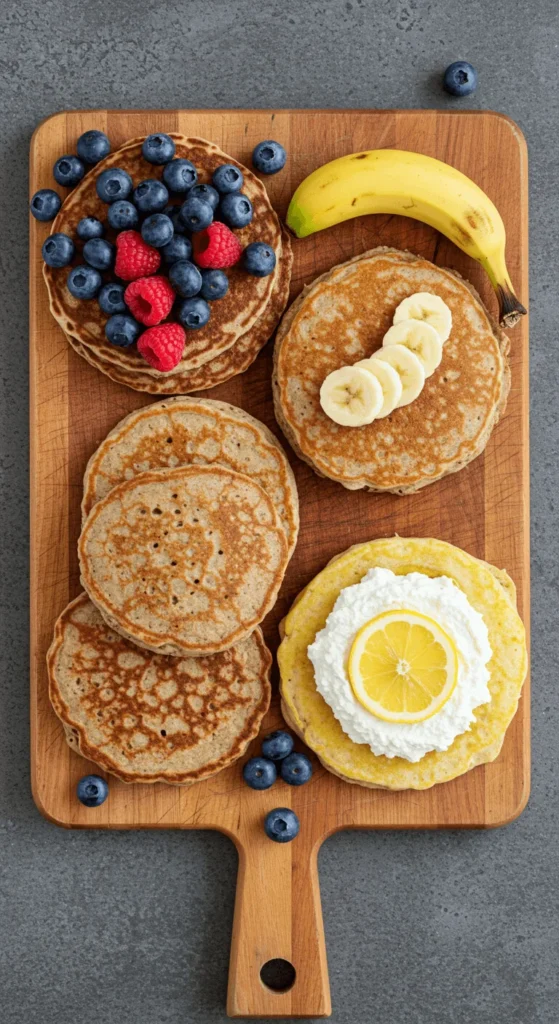
- Blueberry: Gently fold in a handful of fresh berries before cooking.
- Banana oat: Mash 1 ripe banana into wet ingredients and swap 1/4 cup flour for oats.
- Chocolate chip: Sprinkle chips on batter once poured to avoid sinking.
- Lemon ricotta: Add 1/2 cup ricotta and 1 tsp lemon zest for a delicate tang.
Troubleshooting Common Problems
- Flat pancakes: Check leavening freshness, don’t overmix, and ensure pan isn’t too hot.
- Soggy middle: Lower heat and cook a little longer on the first side; consider thinner batter.
- Burning before cooked through: Reduce heat and allow a longer cook time per side.
Make-Ahead & Storage
- Short-term: Keep in an airtight container in the fridge for up to 2 days. Reheat in a toaster or skillet.
- Freezing: Cool completely, layer with parchment, freeze flat, then stack in a bag. Reheat from frozen in a toaster or oven.
- Reheat tip: A quick sear in a buttered skillet gives better texture than microwaving.
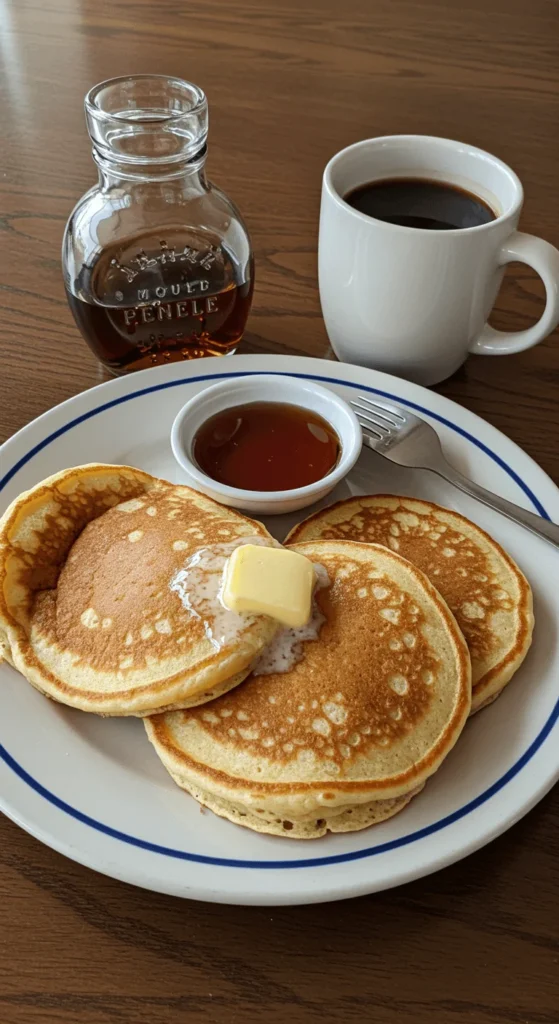
Perfectly fluffy pancakes are a small ritual that rewards patience and the right technique. Try the basic method once, then play with add-ins and tweaks until you find your ideal stack. Save this recipe for later and make weekend breakfasts your new happy place.
Leave a Reply