There’s something magical about a perfectly cooked frittata —soft, airy eggs, pops of colorful vegetables, and just enough richness to feel comforting without being heavy. Whether you’re making brunch for guests or a quick dinner for yourself, mastering a light and fluffy frittata is a total game-changer.
The good news? It’s much easier than it looks once you know a few simple tricks.
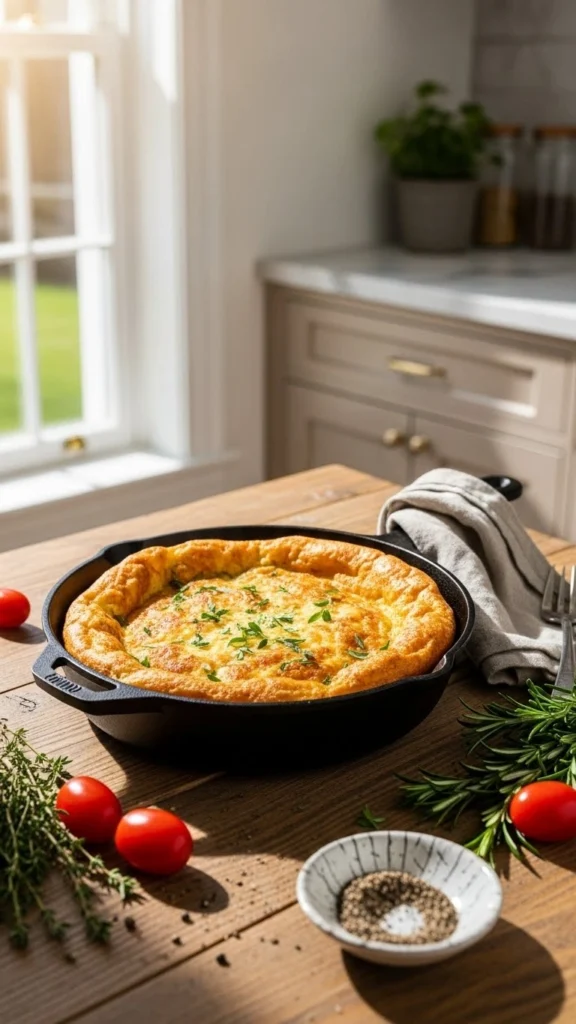
Let’s walk through the exact steps, tips, and secrets to get that pillowy texture every time .
What Makes a Frittata Light and Fluffy?
A dense frittata usually comes from one of three mistakes:
– Overcooking the eggs
– Skipping dairy or using too much filling
– Cooking at too high a heat
A fluffy frittata, on the other hand, relies on:
– Proper egg-to-dairy ratio
– Gentle heat
– Air incorporated into the eggs
Think of it as halfway between scrambled eggs and a crustless quiche.
Ingredients You’ll Need (Simple & Flexible)
You don’t need anything fancy. This recipe is all about balance.
Base Ingredients:
– 6 large eggs
– ¼ cup whole milk or heavy cream
– ½ teaspoon salt
– ¼ teaspoon black pepper
– 1 cup cooked vegetables (spinach, mushrooms, bell peppers, onions)
– ½ cup shredded cheese (cheddar, feta, mozzarella, or goat cheese)
– 1 tablespoon olive oil or butter
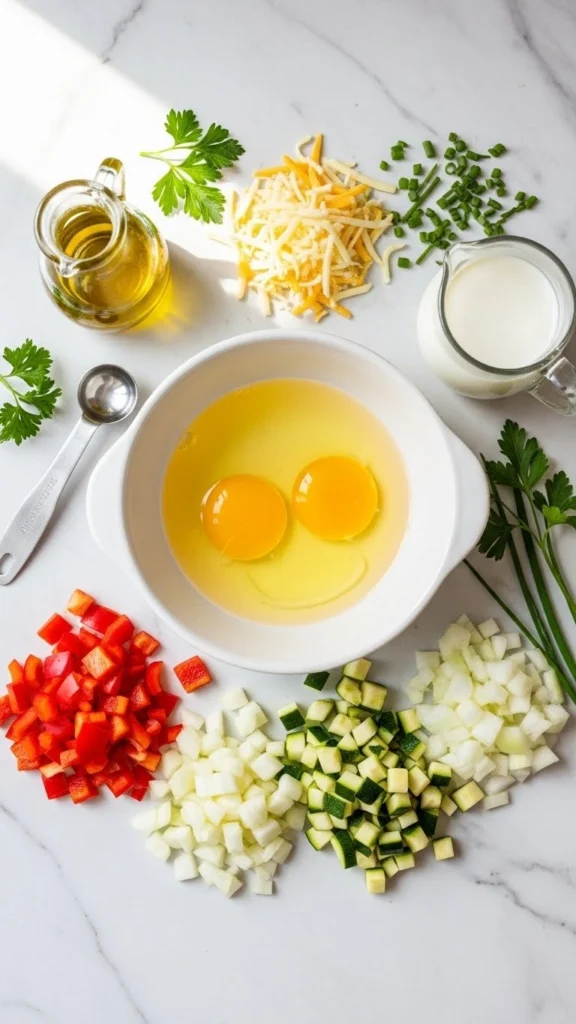
Optional add-ins:
– Fresh herbs (parsley, chives, basil)
– Cooked bacon, sausage, or chicken
– A pinch of chili flakes or garlic powder
Step 1: Whisk the Eggs Like You Mean It
This step matters more than people think.
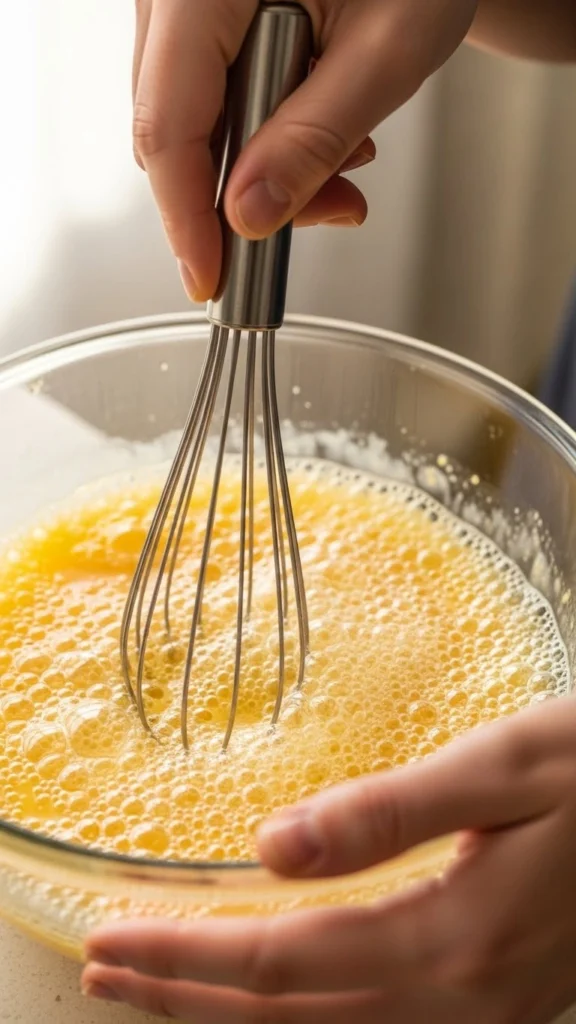
– Crack the eggs into a large bowl
– Add milk, salt, and pepper
– Whisk vigorously for 30–45 seconds
You want the mixture to look pale and slightly frothy. That’s air being incorporated—and air equals fluffiness.
Pro Tip:
Use a fork or whisk, not a blender. Over-blending can break down the eggs too much.
Step 2: Pre-Cook Your Fillings
Never add raw vegetables directly to the eggs.
– Heat olive oil or butter in an oven-safe skillet
– Sauté vegetables until soft and moisture has cooked off
– Season lightly
This prevents excess water from making the frittata soggy.
If using meat:
Make sure it’s fully cooked and drained before adding.
Step 3: Combine Without Overloading
Now comes the balance.
– Reduce heat to low
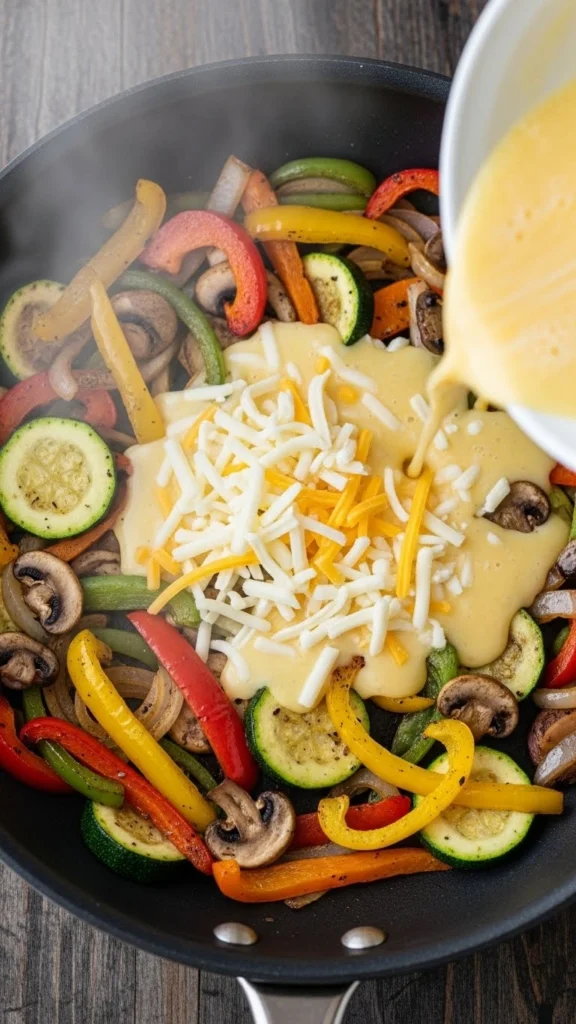
– Spread fillings evenly in the skillet
– Pour egg mixture over the top
– Sprinkle cheese evenly
Avoid stirring. Let the eggs gently settle around the fillings.
Rule of thumb:
Fillings should support the eggs—not overpower them.
Step 4: Cook Low and Slow
This is where fluffy magic happens.
– Cook on low heat for 5–7 minutes
– Edges should set while the center remains slightly jiggly
Don’t rush this step. High heat = rubbery eggs.
If you don’t have an oven-safe pan:
– Cover with a lid to trap gentle heat
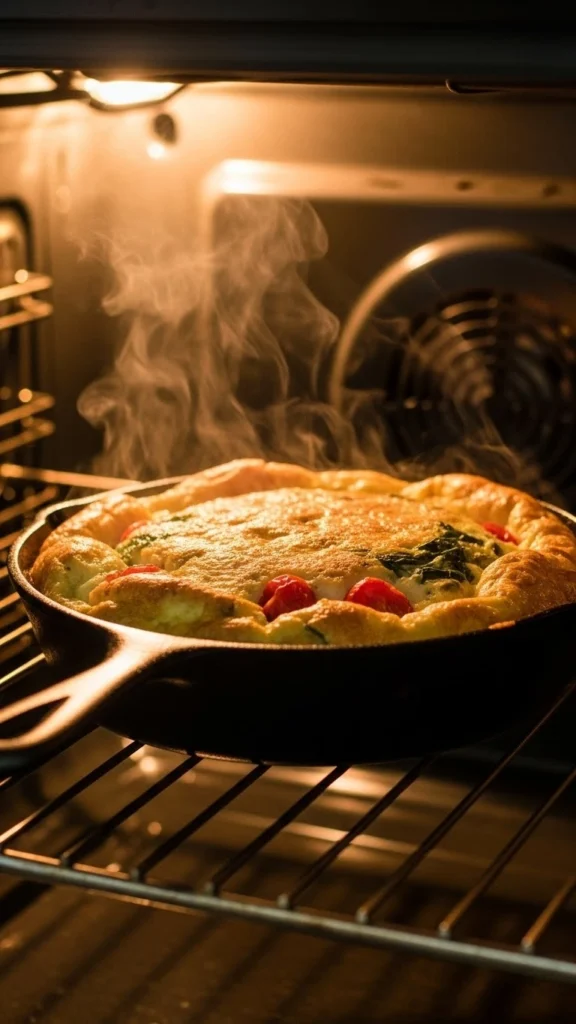
Step 5: Finish in the Oven (The Secret Touch)
Preheat your oven to 375°F (190°C).
– Transfer skillet to the oven
– Bake for 5–8 minutes
– Remove when just set in the center
The frittata will continue cooking from residual heat, so don’t wait until it’s completely firm.
Step 6: Rest, Slice, and Serve
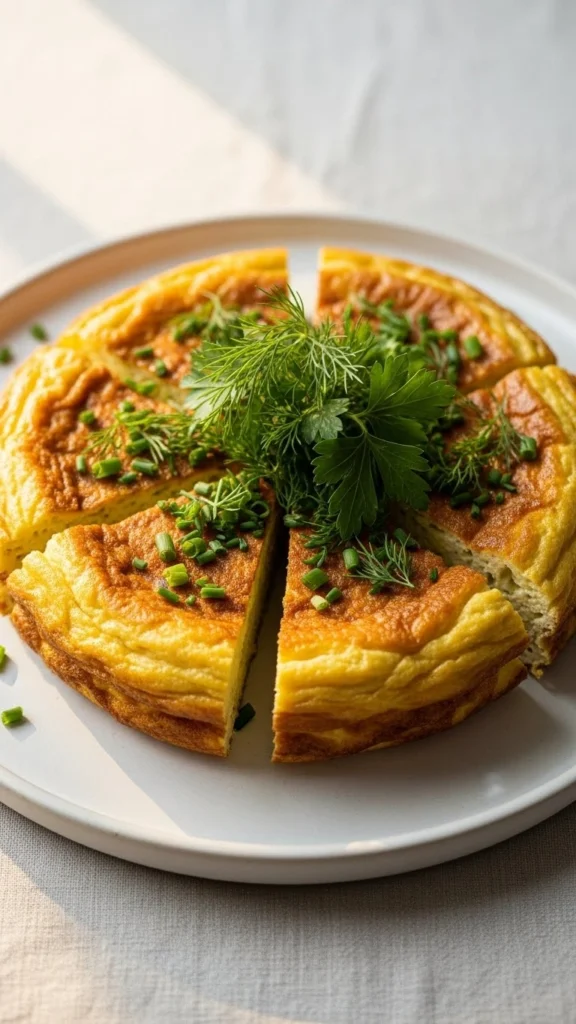
Let the frittata rest for 5 minutes before slicing.
This helps:
– Set the structure
– Keep the texture light
– Make cleaner slices
Finish with:
– Fresh herbs
– A drizzle of olive oil
– A simple side salad or toast
Common Frittata Mistakes to Avoid
– Overbaking (dry texture)
– Too many fillings
– Skipping dairy entirely
– Cooking on high heat
Remember: gentle heat and patience always win.
Final Takeaway
A light and fluffy frittata isn’t about complicated techniques—it’s about small, thoughtful steps that make a big difference. Once you master the basics, you can customize it endlessly for breakfast, brunch, or dinner.
Save this recipe for later, and try it with your favorite fillings this week!
Leave a Reply