There’s nothing more disappointing than soggy, pale French toast. You dip the bread, cook it carefully, and somehow it still turns out limp instead of golden and crisp.
The good news? Perfect French toast isn’t about luck — it’s about a few simple techniques.
Once you know how to control the custard, the bread, and the heat, you’ll get that beautiful golden crust with a soft, fluffy center every single time.
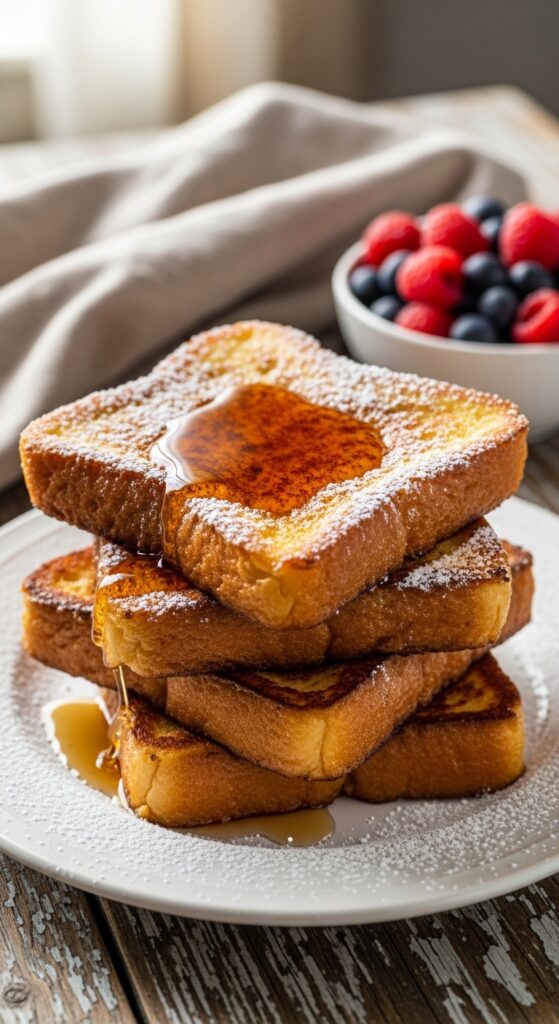
Let’s break it down step by step.
Step 1: Choose the Right Bread
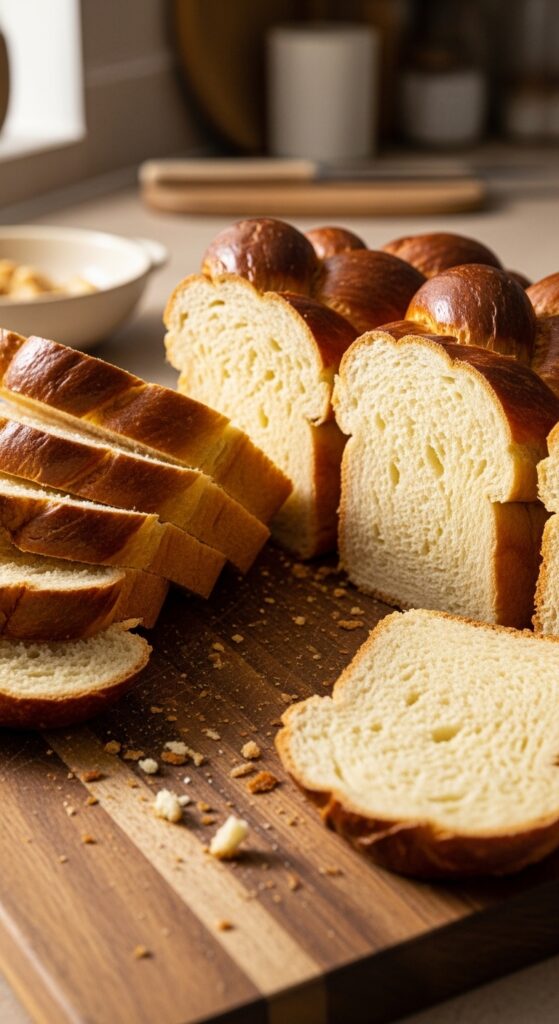
Golden, crispy French toast starts with the right foundation.
Skip thin sandwich bread. It absorbs too much liquid and turns soggy fast.
Instead, choose:
- Thick-cut brioche
- Challah
- French bread
- Texas toast
- Slightly stale artisan bread
Thicker slices (about ¾–1 inch) give you:
- A crisp outer crust
- A soft, custardy center
- Better structure while cooking
Pro tip: Slightly stale bread is ideal. If your bread is fresh, leave it out for 1–2 hours before using.
Step 2: Make a Balanced Custard
Too much milk = soggy toast.
Too much egg = scrambled texture.
Here’s a balanced base:
Basic Custard Ratio:
- 2 large eggs
- ½ cup whole milk (or half-and-half for richer texture)
- 1 teaspoon vanilla
- Pinch of salt
Optional additions:
- ½ teaspoon cinnamon
- 1 teaspoon sugar
Whisk until fully combined and smooth.
The mixture should look silky — not watery.
Why This Works
Eggs create structure.
Milk adds moisture.
Fat (from milk or cream) helps with browning.
Salt enhances flavor and balance.
Keep it simple. Overloading the custard leads to soft, floppy toast.
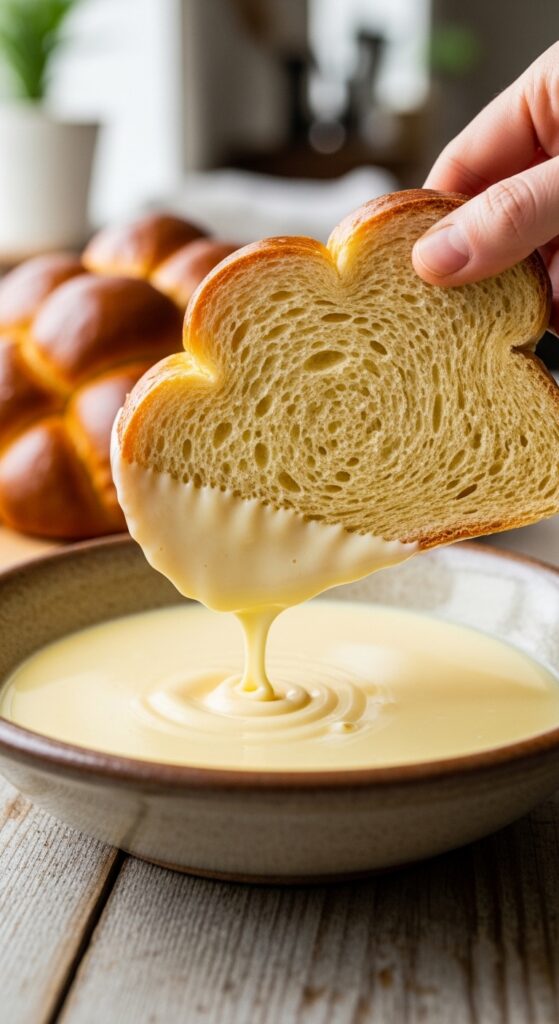
Step 3: Dip — Don’t Soak
This is where most people go wrong.
Do not let the bread sit in the custard.
Instead:
- Dip each side for about 5–10 seconds
- Flip once
- Let excess drip off
The bread should feel saturated but not falling apart.
If it’s dripping heavily, it’s too soaked.
Step 4: Use the Right Pan and Heat
Crispy French toast needs proper heat control.
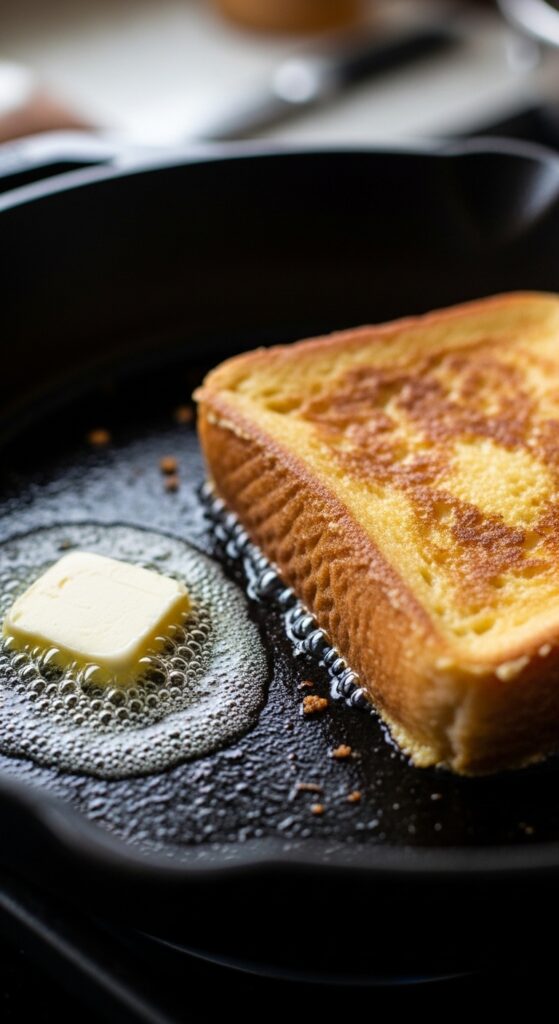
Use:
- Non-stick skillet
- Cast iron pan (great for even browning)
Heat level: Medium to medium-low
Too hot = burnt outside, raw inside.
Too low = pale and soft.
Add:
- 1 tablespoon butter
- Optional: 1 teaspoon neutral oil (helps prevent burning)
Wait until the butter is melted and lightly bubbling before adding the bread.
Step 5: Let It Cook Undisturbed
Place the dipped bread into the pan and leave it alone.
Cook 3–4 minutes per side.
Don’t press it down.
Don’t flip repeatedly.
You’re looking for:
- Deep golden brown color
- Slight crispness around the edges
- Light caramelization
If it browns too fast, reduce the heat slightly.
Step 6: Finish in the Oven (Optional but Powerful)
If you’re cooking thick slices or making a big batch, this step guarantees crispiness.
After pan-searing:
- Place toast on a wire rack
- Put in a 350°F (175°C) oven
- Bake for 5–8 minutes
This:
- Dries excess moisture
- Keeps the outside crisp
- Prevents sogginess
Bonus: It keeps everything warm while you finish the batch.
Common Mistakes That Ruin Crispiness
Avoid these and you’re already ahead:
- Using thin, soft sandwich bread
- Soaking bread too long
- Cooking on heat that’s too low
- Overcrowding the pan
- Skipping fat in the pan
Every one of these leads to soft, pale toast.
Pro Tips for Extra Crispiness
Want that restaurant-style finish?
Try one of these:
1. Add a Touch of Sugar to the Pan
Sprinkle a tiny bit of sugar into the butter before adding the bread.
It caramelizes and enhances browning.
2. Use Half Butter, Half Oil
Butter gives flavor.
Oil raises the smoke point.
Together = golden perfection.
3. Let It Rest for 1 Minute Before Serving
The crust sets as it cools slightly.
Cutting too soon releases steam and softens the exterior.
Final Touches
Once your French toast is perfectly golden and crisp, keep toppings simple so you don’t lose texture.
Try:
- Warm maple syrup (serve on the side for dipping)
- Fresh berries
- Light dusting of powdered sugar
- A small pat of butter
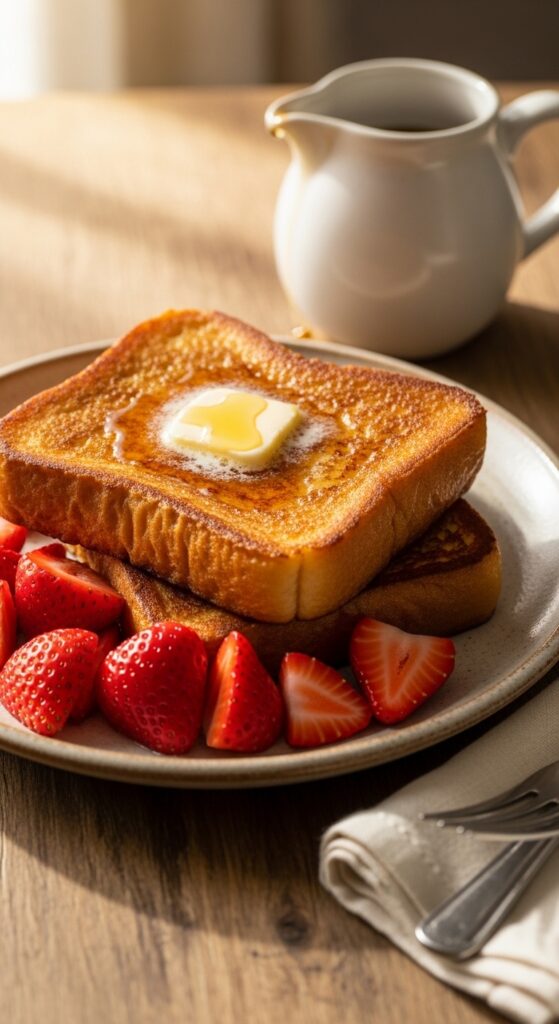
If you pour syrup directly over the top, it will soften quickly — so dip instead for maximum crispiness.
The Takeaway
Golden, crispy French toast isn’t complicated.
It’s about:
- Thick bread
- Balanced custard
- Quick dipping
- Medium heat
- Patience while cooking
Master these, and you’ll never make soggy French toast again.
Try this method this weekend.
And save this guide for your next cozy breakfast morning. 🍞✨
Leave a Reply