Grilling vegetables sounds easy—until your zucchini disappears through the grates and your onions turn into charcoal confetti. If you’ve ever flipped a veggie only to lose half of it to the flames, you’re not alone. The good news? Grilled vegetables don’t have to fall apart. With the right prep, cuts, and technique, you can get beautifully charred, tender veggies that actually stay on the grill.
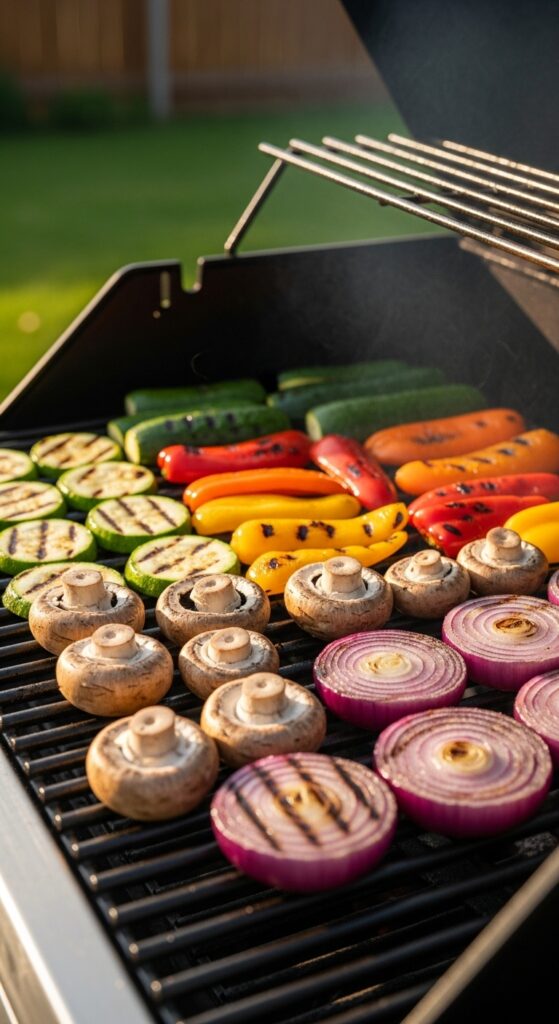
This guide will walk you through exactly how to grill vegetables so they stay intact, flavorful, and perfectly cooked—no stress, no mess.
Step 1: Choose the Right Vegetables
Not all vegetables behave the same on the grill. Some are naturally sturdy, while others need extra help.
Best vegetables for grilling:
- Zucchini and yellow squash
- Bell peppers
- Red onions
- Mushrooms (portobello or cremini)
- Asparagus
- Eggplant
- Corn on the cob
Very delicate vegetables like cherry tomatoes or leafy greens are more likely to fall apart unless secured or grilled in a pan.
Rule of thumb: If it can hold its shape when raw, it’ll do better on the grill.
Step 2: Cut Them Big Enough to Stay Put
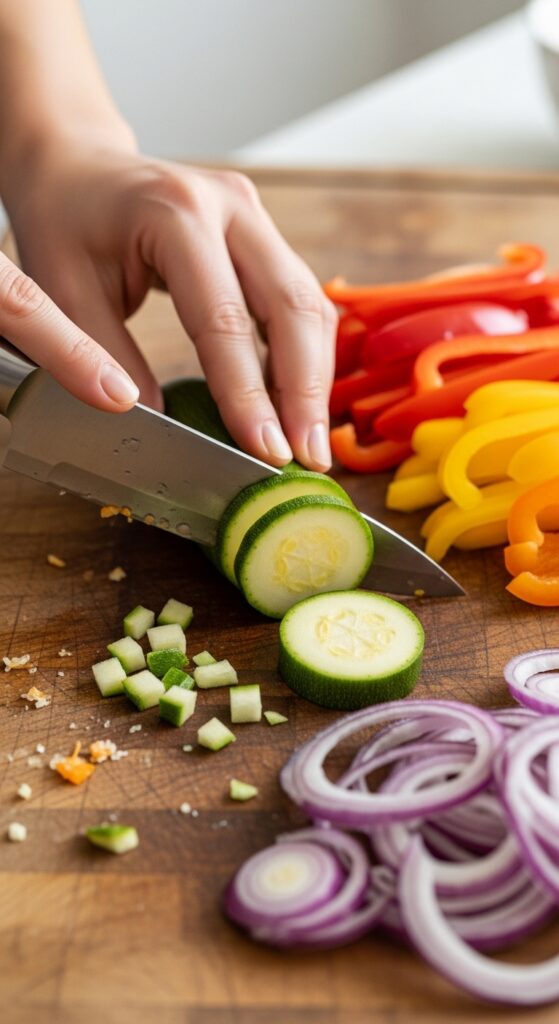
One of the biggest mistakes is cutting vegetables too small. Thin slices cook fast—but they also slip right through the grates.
How to cut for success:
- Slice zucchini and eggplant lengthwise into thick planks (¼–½ inch)
- Cut bell peppers into large flat panels
- Slice onions into thick rounds and keep the rings together
- Leave mushrooms whole or cut large ones in half
- Trim asparagus but keep spears whole
Bigger pieces = better grip on the grill and more even charring.
Step 3: Oil First, Season Second
Dry vegetables stick—and stuck vegetables fall apart when you try to flip them.
Before seasoning, lightly coat your veggies with oil.
Best options:
- Olive oil
- Avocado oil
- Grapeseed oil
Toss vegetables gently until just coated. Then season with:
- Salt
- Pepper
- Optional extras: garlic powder, smoked paprika, dried herbs
Avoid sugary marinades at this stage—they burn quickly and cause sticking.
Step 4: Preheat the Grill (This Matters More Than You Think)
A hot grill is your best defense against sticking and crumbling.
Do this every time:
- Preheat the grill for at least 10–15 minutes
- Aim for medium-high heat
- Clean the grates well
- Lightly oil the grates using a paper towel and tongs
When vegetables hit a properly heated grill, they sear instead of sticking—and that sear helps them hold together.
Step 5: Don’t Touch Them Too Soon
This is where patience pays off.
Once the vegetables are on the grill:
- Place them perpendicular to the grates
- Close the lid
- Don’t flip for 3–5 minutes
When vegetables are ready to turn, they’ll release easily. If they stick, they’re not done yet.
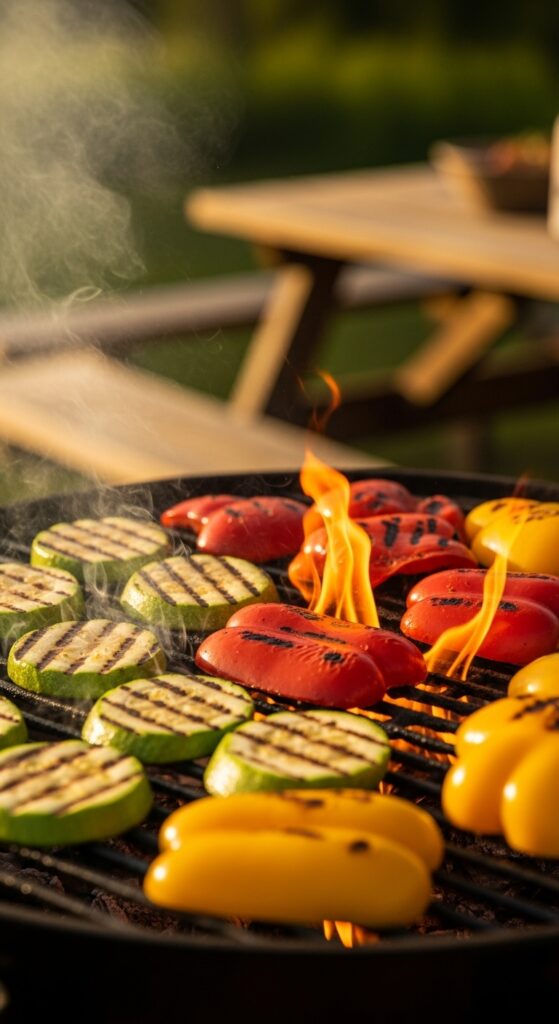
Flip once if possible. Too much movement increases the chance of breakage.
Step 6: Use Tools That Help (Not Hurt)
The wrong tools can undo all your hard work.
Best tools for grilling vegetables:
- Wide metal spatula
- Long-handled tongs with a gentle grip
- Grill basket (for smaller pieces)
Avoid sharp tongs or forks—they pierce vegetables, releasing moisture and causing them to collapse.
Common Mistakes That Make Vegetables Fall Apart
If your veggies keep breaking, one of these is usually the reason:
- Cutting them too thin
- Skipping oil
- Using low heat
- Flipping too often
- Overcooking until mushy
Grilled vegetables should be tender but still slightly firm.
Pro Tips for Perfectly Grilled Veggies
- Grill similar-sized vegetables together so they cook evenly
- Use skewers for chunks (soak wooden skewers first)
- Keep a “cool zone” on the grill for thicker pieces
- Finish with a squeeze of lemon or drizzle of balsamic after grilling
Final Touches and Takeaway
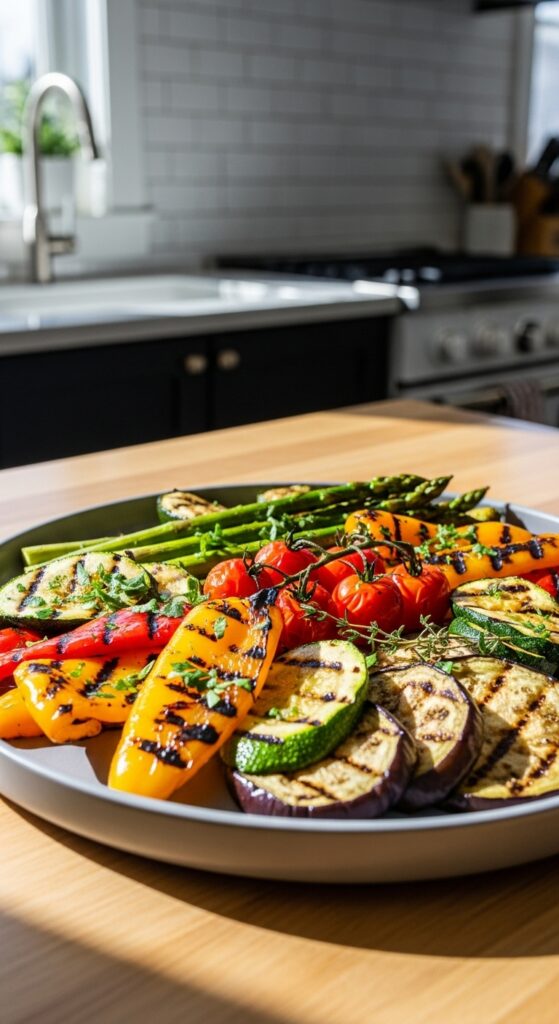
Grilling vegetables without losing them to the flames is all about smart prep and simple technique. Cut them big, oil them well, use high heat, and let the grill do its job before flipping. Once you master these basics, grilled vegetables become one of the easiest—and most impressive—things to cook outdoors.
Save this for your next cookout, and try it the next time you fire up the grill. 🌽🥒
Leave a Reply