If your Instant Pot rice turns out gluey more often than fluffy, you're not alone. You want tender, separate grains — not a sticky mess — and learning how to cook rice in Instant Pot without mushy results fixes that. You’ll stop guessing water ratios and timing.
The secret is simple control: measure rice and water precisely and let the rice rest. A digital kitchen scale helps you get the rice-to-water ratio right every time, and a well-maintained Instant Pot ensures consistent pressure cooking. Use those two tools and this method becomes repeatable.
Read on to learn exact ratios, quick tricks, step-by-step cooking times, and how to fluff and store rice so you can pin this guide and use it tonight.
Preparing Your Ingredients for Fluffy Rice
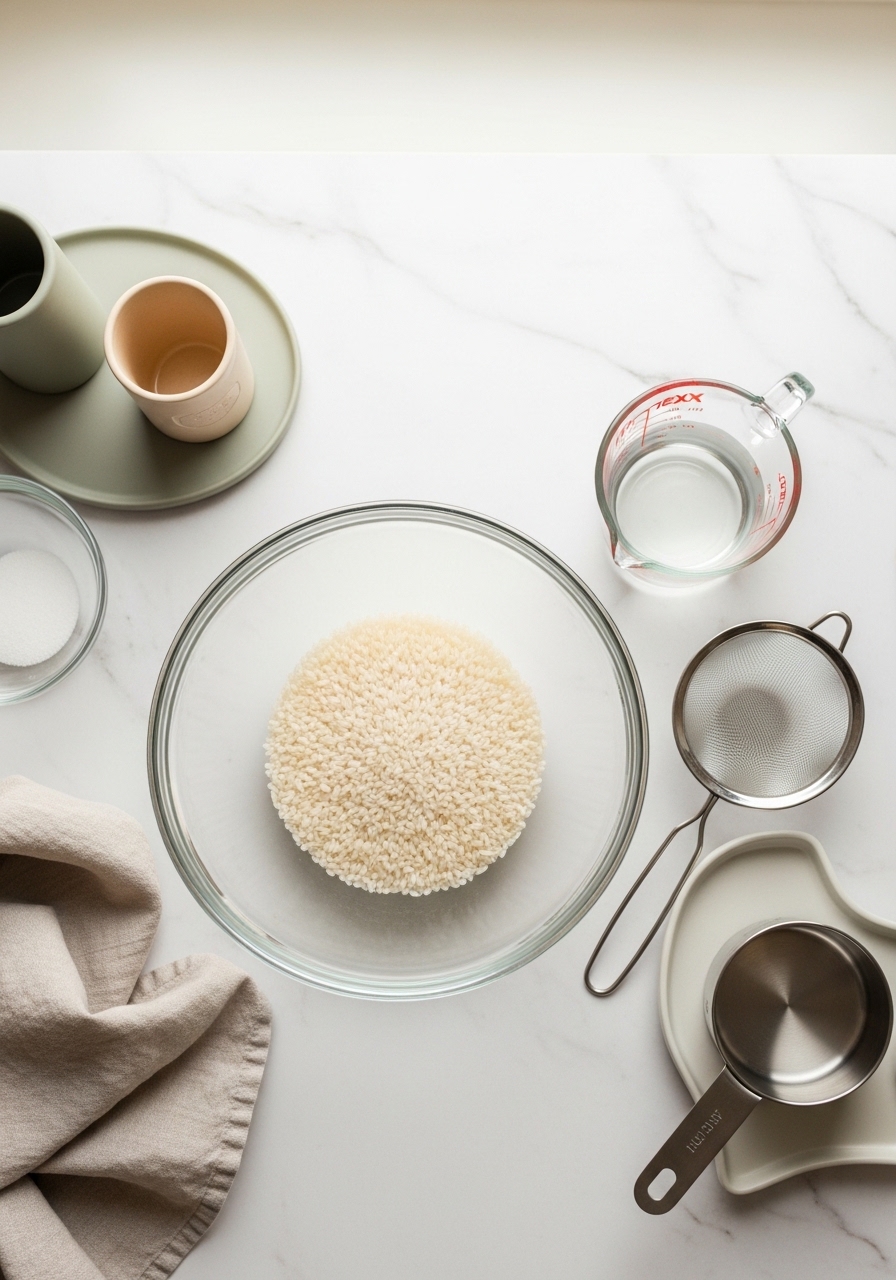
Start by measuring by weight or level cups — accuracy matters. For long-grain white rice use 1:1 rice-to-water by volume in the Instant Pot; for brown rice use 1:1.25 to 1:1.5. If you prefer weight, aim for 200 g rice to 200–240 g water for white rice.
- Rinse rice under cold water until the water runs clear to remove excess starch. Use a fine mesh strainer and swirl the rice for 15–30 seconds.
- If you have a digital kitchen scale, weigh rice and water for repeatable results.
- Soaking brown rice for 20–30 minutes shortens cook time and helps separation.
Tip: Avoid heaping cups — glass or metal measuring cups work best for consistent volume: https://www.amazon.com/s?k=measuring+cups&tag=recipecamp-20
Cooking Rice in the Instant Pot Correctly
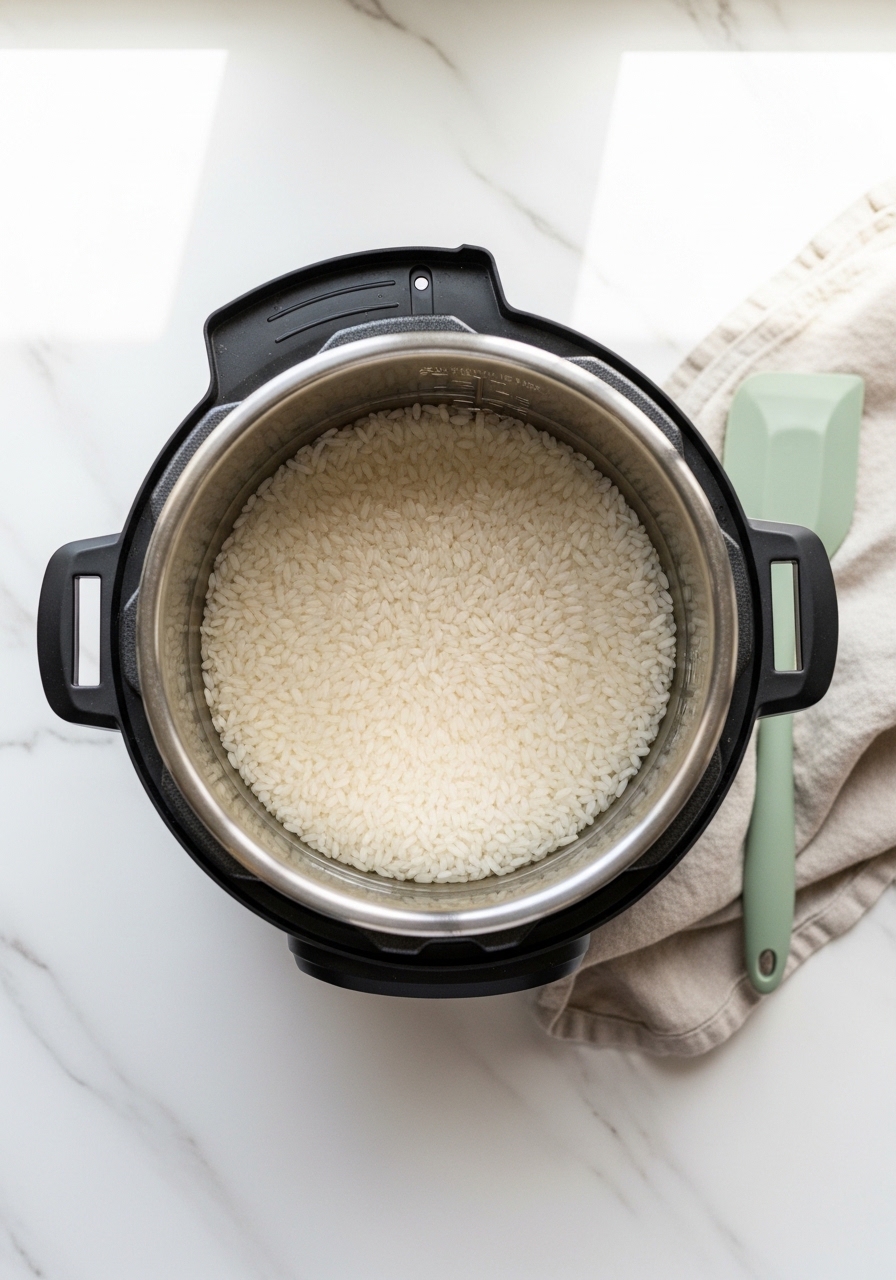
Getting the pressure and release right prevents mush. Use these steps:
- Add rinsed rice and measured water to the Instant Pot inner pot. For white rice set High Pressure for 3–4 minutes; for brown rice set High Pressure for 20–22 minutes.
- Seal the lid and ensure the valve is set to Sealing.
- After the cook cycle finishes, let the pot sit undisturbed for 10 minutes natural pressure release (NPR) — this is crucial for texture.
- After 10 minutes, carefully move the valve to Venting to release remaining pressure, then open the lid.
- If you want exact doneness checks, use an instant-read thermometer — rice is typically warm and slightly above body temperature when done, but resting is the real texture fixer: https://www.amazon.com/s?k=instant+read+thermometer&tag=recipecamp-20
- Use a silicone spatula to avoid scratching the inner pot while transferring rice.
Warning: Quick release immediately after cooking can make rice sticky and undercooked inside. Let it rest.
Resting, Fluffing, and Storing Rice
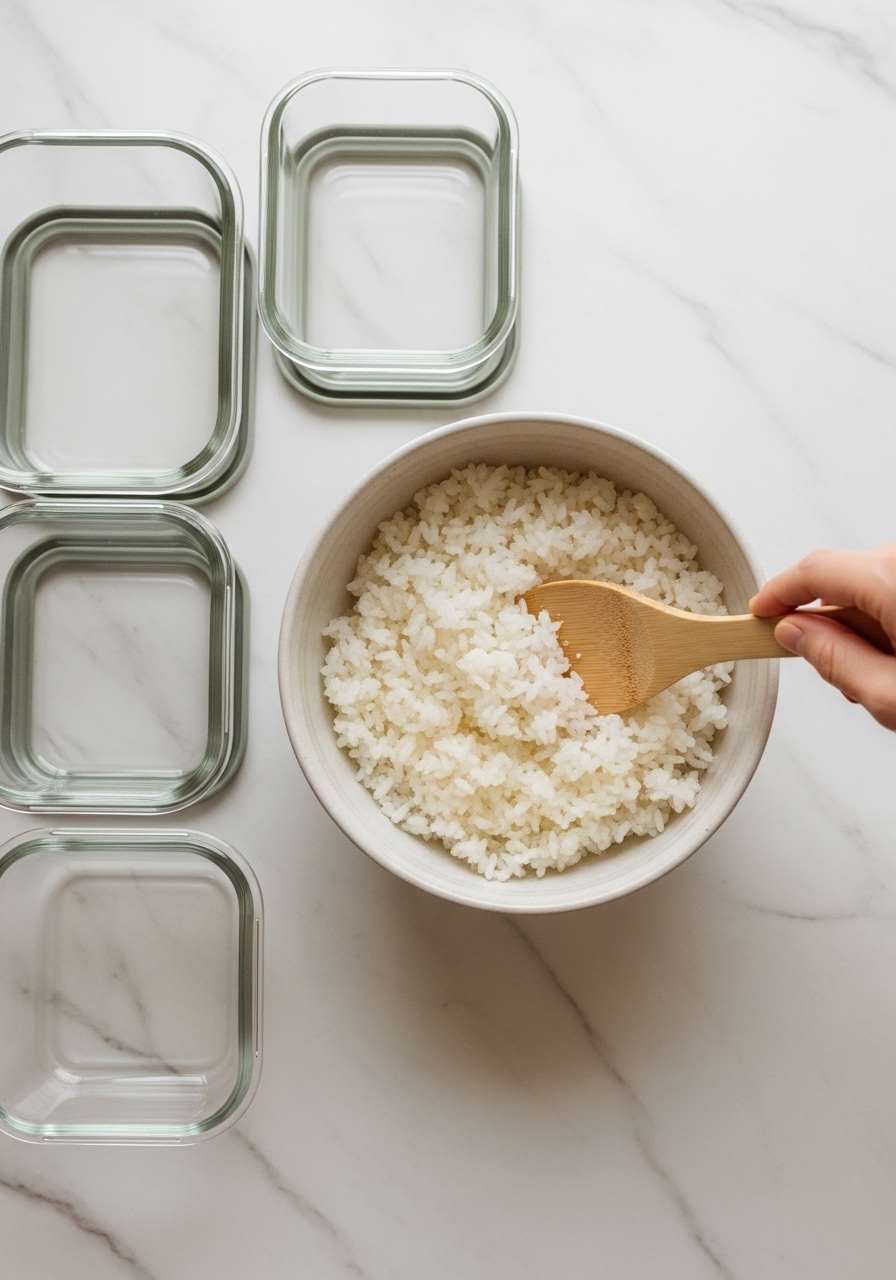
Resting is where non-mushy rice is won. Once pressure is released:
- Gently lift the lid away from you to avoid steam.
- Fluff rice with a wooden rice paddle or fork in an airy motion to separate grains. I use a rice paddle because it scoops without compressing: https://www.amazon.com/s?k=rice+paddle&tag=recipecamp-20
- If you see excess moisture pooling, leave the lid slightly ajar for 5 minutes — that lets steam escape without drying the rice.
Storage tips:
- Portion into glass storage containers while still warm to cool evenly and avoid condensation.
- Refrigerate up to 4 days; freeze up to 3 months for make-ahead meals.
Pro tip: If rice feels sticky when reheated, sprinkle a few teaspoons of water and cover before microwaving to steam it back to separated grains.
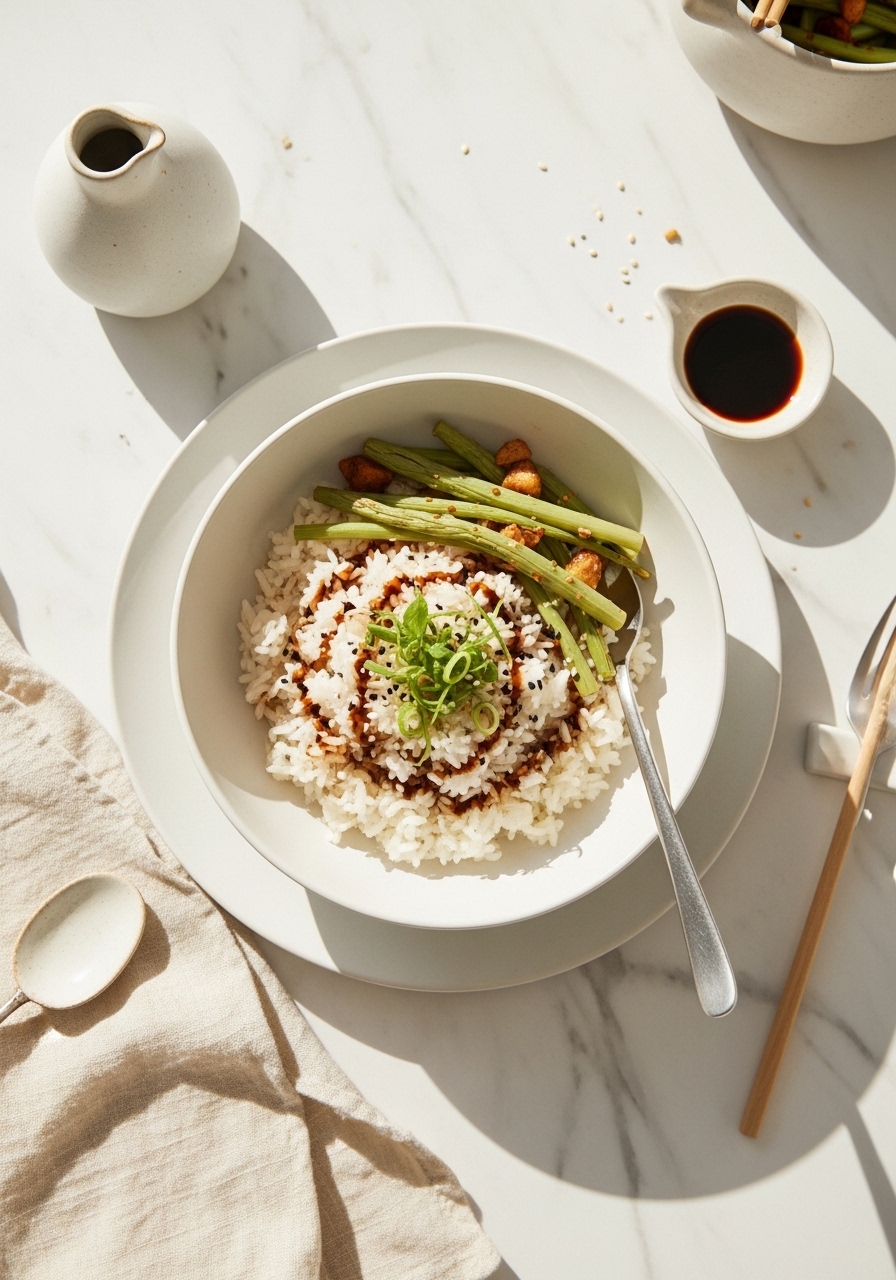
You've now got a reliable method for how to cook rice in Instant Pot without mushy results — precise measuring, the right cook time, and a patient rest. Save this guide and try it tonight: weigh your rice with a digital kitchen scale, rinse well, follow the cook times, and fluff with a silicone spatula or rice paddle.
Pin this for quick reference and share with friends who struggle with soggy rice. Which ratio will you try first?
Leave a Reply