Noodles seem simple… until they turn out mushy, sticky, or bland.
If you’ve ever dumped pasta into boiling water and hoped for the best, you’re not alone. The good news? Cooking noodles perfectly is easy once you know a few simple rules.
Whether you’re making a quick weeknight dinner or prepping a cozy bowl of comfort food, this guide will help you get tender, flavorful noodles every single time.
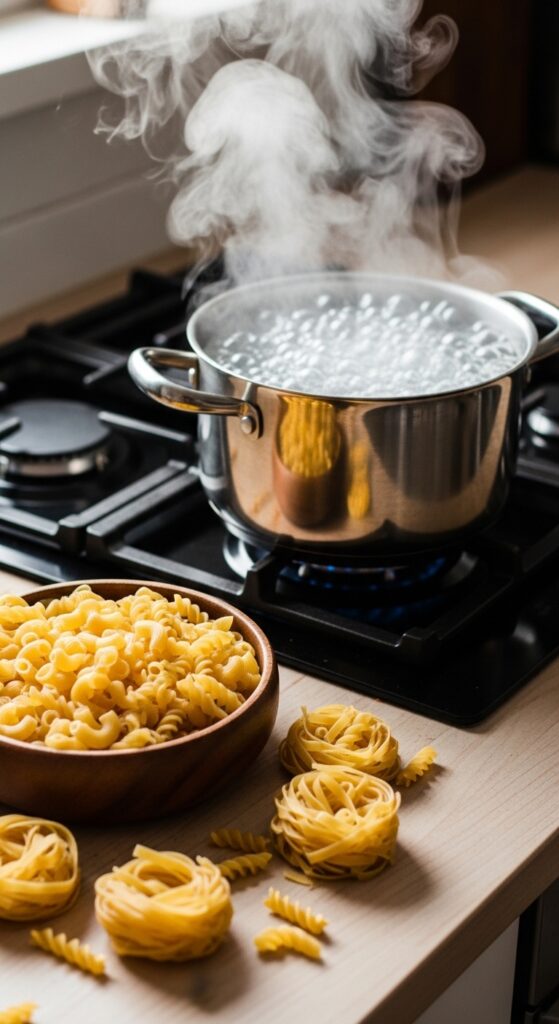
Let’s get started.
Step 1: Choose the Right Noodles
Not all noodles cook the same way.
Common options include:
- Spaghetti
- Fettuccine
- Penne
- Egg noodles
- Rice noodles
- Ramen
Check the package instructions — cooking times vary depending on thickness and type.
Fresh noodles cook much faster than dried ones.
Step 2: Use Plenty of Water
Crowded noodles stick together.
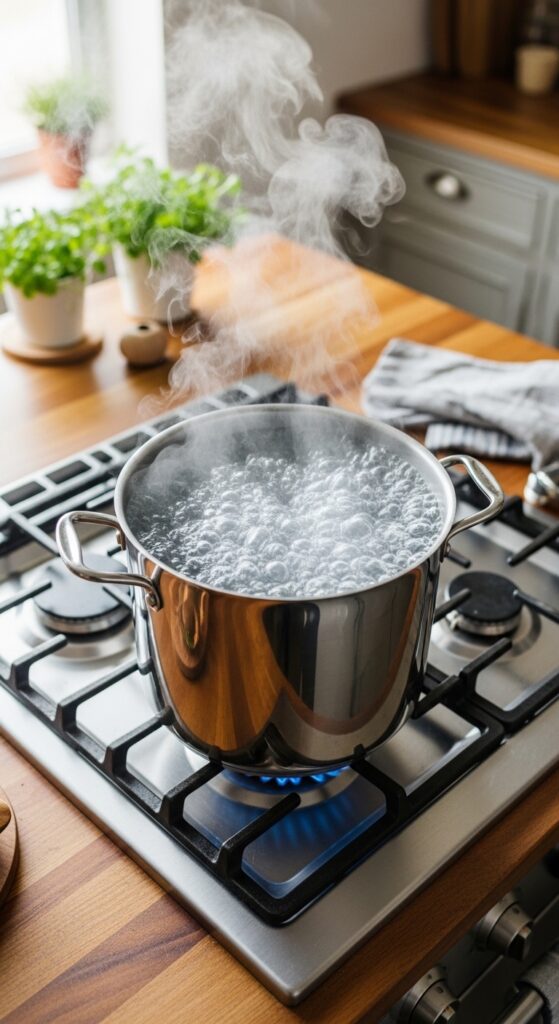
Use a large pot and fill it about ¾ full with water. A good rule of thumb:
- 4–6 quarts of water per pound of dried noodles
More water keeps the temperature stable and allows noodles to move freely.
Step 3: Salt the Water Generously
This is where flavor begins.
Once the water reaches a rolling boil, add salt. It should taste slightly salty — like the sea.
Why it matters:
- Noodles absorb water as they cook
- Salted water seasons them from the inside
Don’t add oil to the water. It doesn’t prevent sticking and can make sauces slide off later.
Step 4: Add Noodles at the Right Time
Wait until the water is fully boiling before adding noodles.
Stir immediately after adding them. This prevents clumping at the bottom of the pot.
For long noodles like spaghetti:
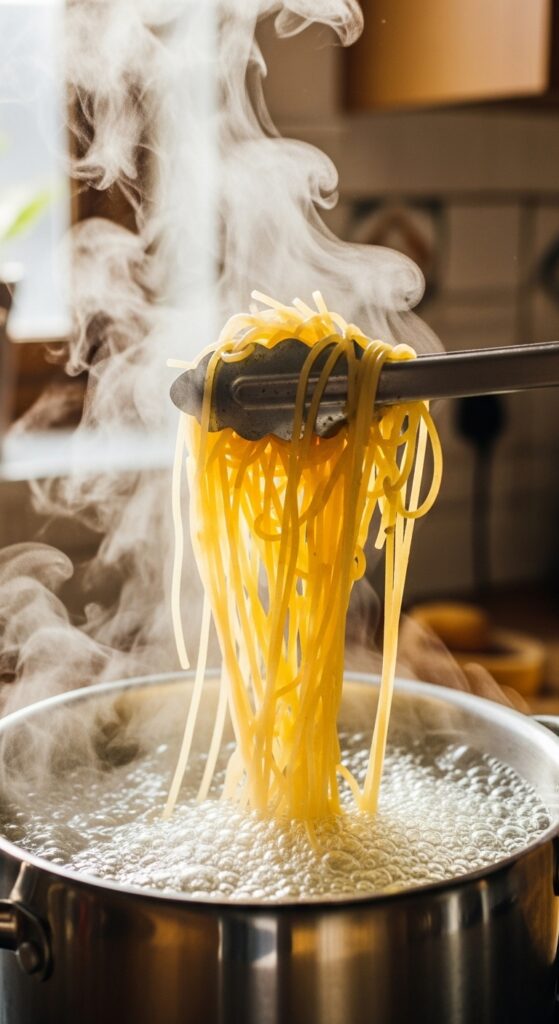
- Press them gently into the water as they soften
- They’ll fully submerge within 30 seconds
Set a timer based on package directions — but check early.
Step 5: Cook Until Al Dente
“Al dente” means “to the tooth.”
The noodles should be:
- Tender
- Slightly firm in the center
- Not mushy
Start testing 1–2 minutes before the recommended time.
Bite into one. If there’s a tiny bit of firmness in the middle, they’re ready.
Step 6: Reserve Some Pasta Water
Before draining, scoop out about ½ cup of the starchy cooking water.
This liquid is gold for sauces.
It helps:
- Thicken sauce
- Make it silky
- Help it cling to the noodles
You’ll thank yourself later.
Step 7: Drain — But Don’t Rinse (Usually)
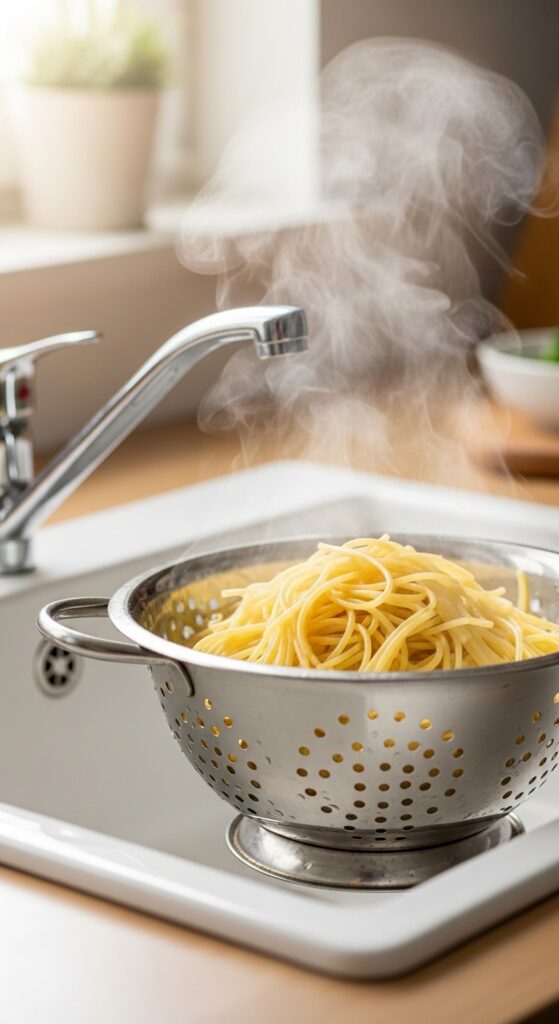
Drain noodles in a colander.
Do not rinse if you’re adding sauce. The starch on the surface helps sauce stick.
The only time you should rinse:
- When making cold pasta salad
- When using rice noodles for stir-fry
Otherwise, skip the rinse.
Step 8: Add Sauce Immediately
Noodles cool and stick fast.
Transfer them directly to your sauce and toss together while warm.
If the sauce seems thick:
- Add a splash of reserved pasta water
- Stir until smooth and glossy
Let everything simmer together for 1–2 minutes so the flavors combine.
Common Mistakes to Avoid
Quick checklist:
- ❌ Not using enough water
- ❌ Forgetting to salt
- ❌ Overcooking
- ❌ Rinsing before saucing
- ❌ Letting noodles sit too long before adding sauce
Small changes make a big difference.
Bonus: Cooking Instant or Quick Noodles
For instant noodles:
- Boil water
- Add noodles
- Cook 2–4 minutes
- Drain partially (if desired)
- Add seasoning packet
You can upgrade instant noodles by adding:
- A soft-boiled egg
- Green onions
- Leftover chicken
- A drizzle of sesame oil
Simple additions turn basic noodles into a full meal.
Why This Easy Method Works
Perfect noodles come down to:
- Proper water amount
- Good seasoning
- Watching the clock
- Finishing in sauce
No complicated steps. No fancy tools.
Just simple kitchen basics done right.
Final Thoughts
Cooking noodles the easy way is about paying attention to a few small details.
Boil well.
Salt generously.
Cook just right.
Sauce immediately.
Once you get this down, every bowl of pasta will taste better — softer, silkier, and more flavorful.
Try this method tonight and taste the difference.
Save this guide for your next pasta night. 🍝
Leave a Reply