Have you ever cooked lentils that turned out mushy, bland, or unevenly cooked—and wondered what went wrong? You’re not alone. Lentils are one of the most affordable, nutritious pantry staples, yet they’re often misunderstood. The good news? Once you know a few simple techniques, cooking lentils perfectly every single time is easy and stress-free.
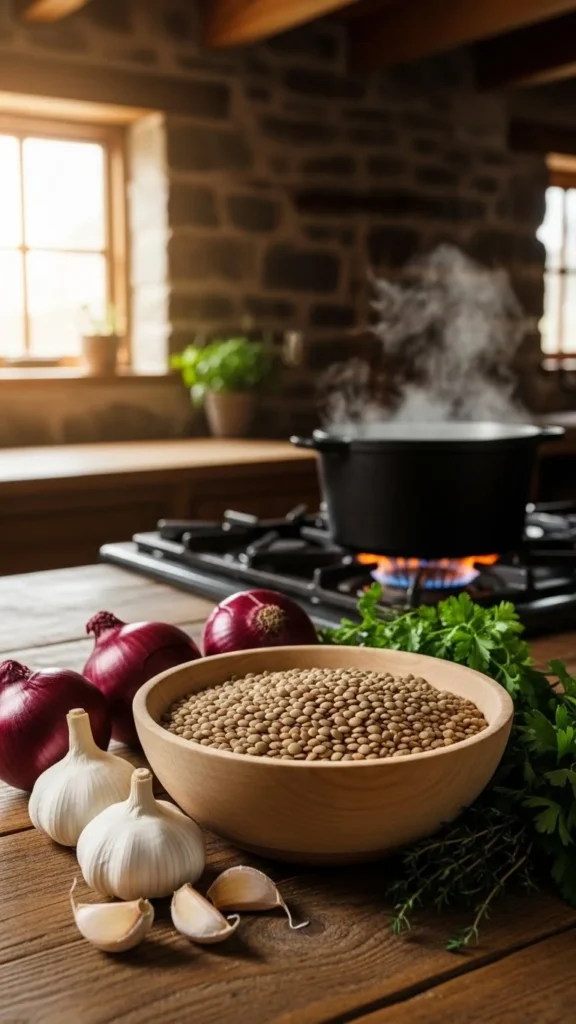
Whether you’re making soups, salads, curries, or meal-prep bowls, this guide will walk you through everything you need to know—from choosing the right lentils to nailing the ideal texture.
Understand Your Lentils First (This Matters!)
Not all lentils cook the same way. Choosing the right type is the first secret to success.
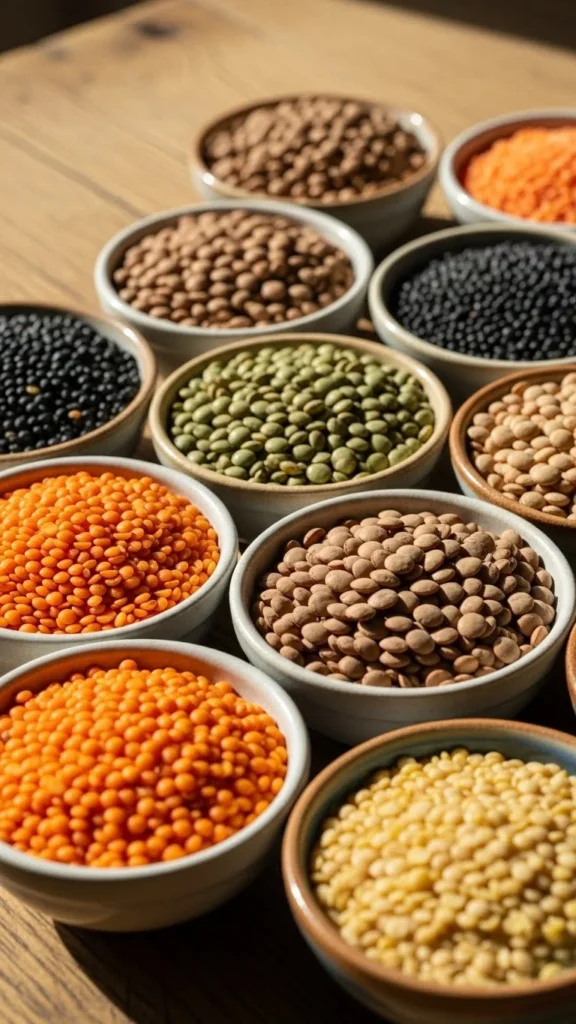
Common Types of Lentils:
- Brown Lentils – Earthy, sturdy, and great for soups and stews
- Green Lentils – Slightly peppery and hold their shape well (perfect for salads)
- Red & Yellow Lentils – Soft, quick-cooking, ideal for dals and creamy dishes
- Black (Beluga) Lentils – Firm, glossy, and excellent for elegant sides
💡 Tip: If you want lentils that stay intact, skip red lentils. If you want creamy and soft, choose them!
Do You Need to Soak Lentils?
Unlike beans, lentils do not require soaking, which makes them a weeknight favorite.
That said:
- Soaking for 30–60 minutes can slightly reduce cooking time
- It may also help make them easier to digest for some people
👉 For most recipes, simply rinse and cook—no soaking needed.
The Golden Ratio: Lentils to Water
Getting the water ratio right prevents soggy or undercooked lentils.
Use this simple guide:
- Brown/Green Lentils: 1 cup lentils : 3 cups water
- Red/Yellow Lentils: 1 cup lentils : 2–2½ cups water
- Black Lentils: 1 cup lentils : 3 cups water
Always use a large pot—lentils expand as they cook.
Step-by-Step: How to Cook Lentils on the Stove
This foolproof method works every time.
- Rinse lentils thoroughly under cold water
- Add lentils and water to a pot
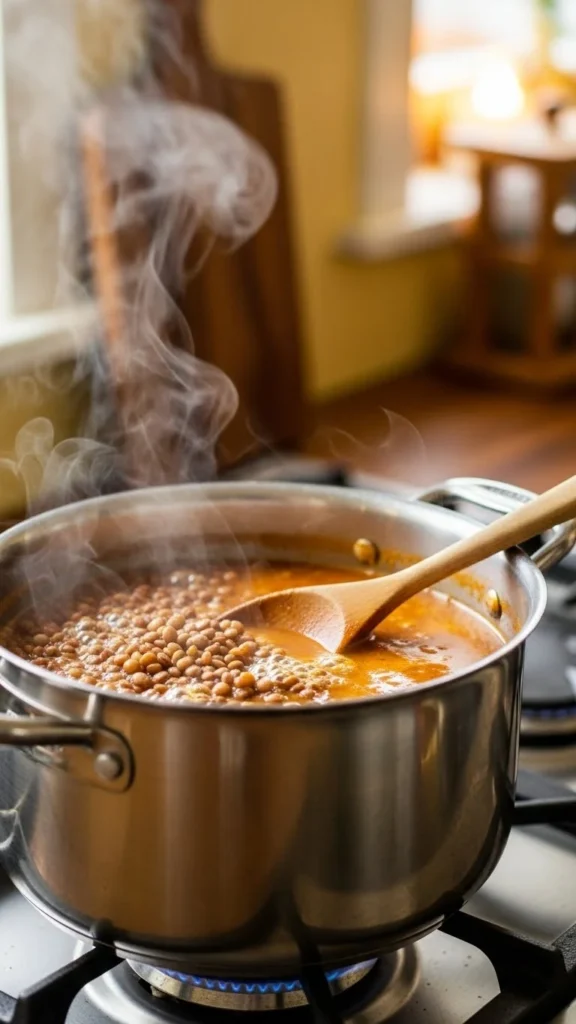
- Bring to a boil, then reduce to a gentle simmer
- Cover partially and cook until tender
- Drain excess water if needed
⏱ Cooking Times (Approximate):
- Brown/Green: 20–30 minutes
- Red/Yellow: 10–15 minutes
- Black: 25–35 minutes
When (and When Not) to Add Salt
This tip alone can transform your lentils.
- Add salt near the end of cooking, not at the beginning
- Early salting can make lentils tough or slow to soften
Once tender, season generously with:
- Salt
- Olive oil or butter
- Lemon juice or vinegar
✨ Flavor builds best at the finish.
Flavor Boosters for Incredible Lentils
Plain lentils are fine—but flavored lentils are unforgettable.
Try adding these to the cooking water:
- Garlic cloves
- Bay leaf
- Onion halves
- Cumin or coriander seeds
After cooking, toss lentils with:
- Fresh herbs (parsley, cilantro)
- Spices (paprika, chili flakes)
- A drizzle of olive oil
How to Know When Lentils Are Perfectly Cooked
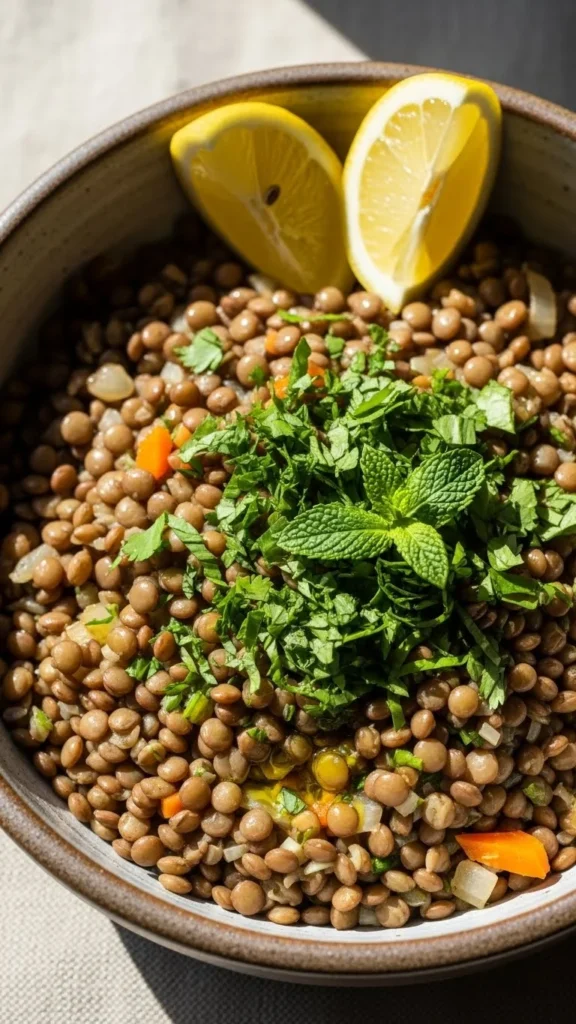
Perfect lentils should be:
- Tender but not falling apart
- Creamy inside with a slight bite
- Never crunchy or chalky
Taste-test near the end—your spoon knows best.
Common Lentil Cooking Mistakes to Avoid
Avoid these pitfalls and you’ll never mess up again:
- ❌ Boiling aggressively (causes splitting)
- ❌ Overcooking “just to be safe”
- ❌ Skipping rinsing (can taste dusty)
- ❌ Forgetting to season at the end
Small changes = big improvement.
Storing & Reusing Cooked Lentils
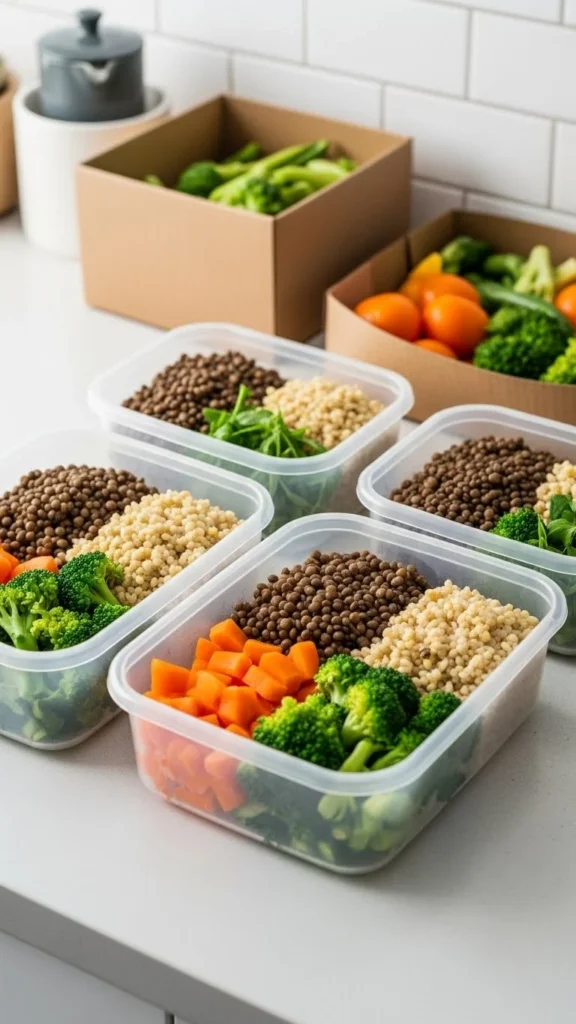
Cook once, eat all week.
- Refrigerate: Up to 5 days in an airtight container
- Freeze: Up to 3 months (portion before freezing)
Use leftovers in:
- Salads
- Wraps
- Soups
- Grain bowls
Final Takeaway: Lentils Made Simple
Cooking lentils perfectly isn’t about fancy tools—it’s about understanding timing, water, and seasoning. Once you master the basics, lentils become one of the most versatile, comforting, and budget-friendly foods in your kitchen.
💛 Save this guide for later, and try it the next time lentils are on your menu!
Leave a Reply