If you’ve ever bitten into lamb that was tough, dry, or oddly gamey, you’re not alone—and it’s not your fault. Lamb has a reputation for being tricky, but when cooked the right way, it’s unbelievably tender, juicy, and full of rich flavor. The secret? A few smart choices before you even turn on the stove. Once you learn the basics, lamb becomes one of the most rewarding proteins to cook at home.
Whether you’re cooking lamb for the first time or want to upgrade your technique, this guide walks you through every step—no stress, no guesswork.
Choose the Right Cut of Lamb
Not all lamb cuts cook the same, and choosing the right one makes everything easier.
Best cuts for tender results:
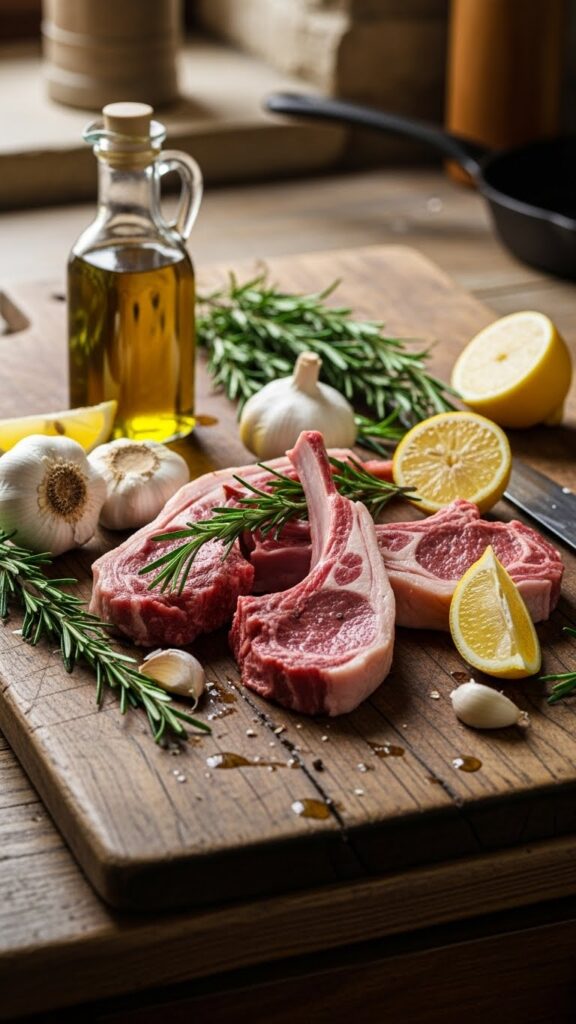
- Lamb chops (rib or loin): Quick-cooking and naturally tender
- Leg of lamb: Great for roasting and feeding a crowd
- Lamb shoulder: Ideal for slow cooking and deep flavor
If you want fast and foolproof, lamb chops are your best friend. For slow, cozy meals, shoulder or leg shines.
Quick tip: Look for lamb that’s pinkish-red with creamy white fat. Too dark or gray means it’s past its prime.
Season Simply—but Don’t Skip It
Lamb already has a bold flavor, so you don’t need much to make it delicious. The goal is to enhance, not overpower.
Classic lamb seasonings:
- Olive oil
- Garlic
- Fresh rosemary or thyme
- Salt and black pepper
- Lemon zest or juice
Rub the lamb generously and let it rest for at least 30 minutes at room temperature. This helps the seasoning sink in and ensures even cooking.
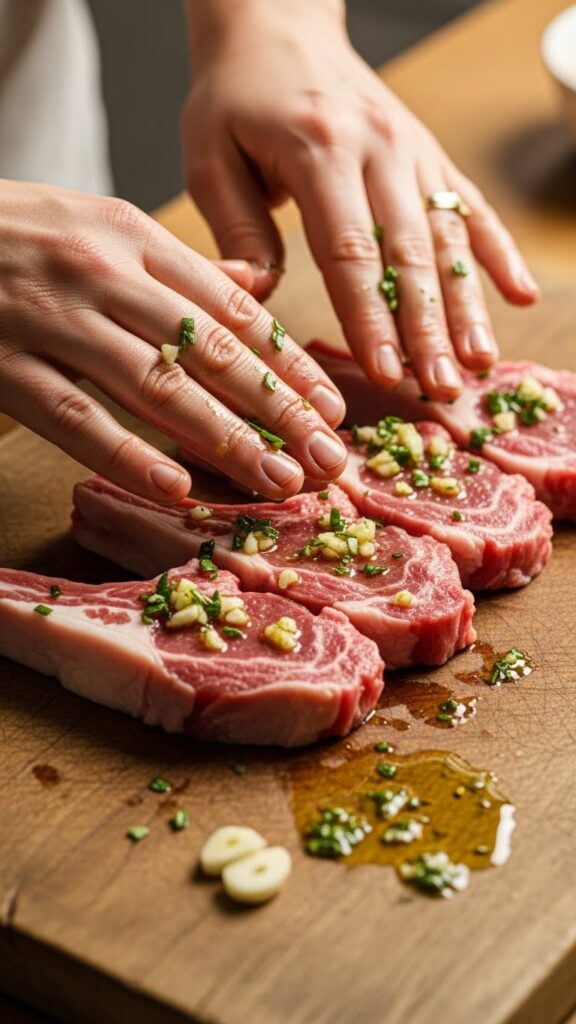
Why this matters: Cold meat straight from the fridge cooks unevenly. Resting = juicier lamb.
Marinating: Optional but Powerful
Marinating isn’t required, but it can take your lamb to the next level—especially for thicker cuts.
Simple marinade idea:
- Olive oil
- Minced garlic
- Fresh herbs
- Lemon juice
- Salt and pepper
Marinate for:
- 30 minutes for chops
- Up to 12 hours for leg or shoulder
Avoid marinating too long with acidic ingredients, or the meat can become mushy instead of tender.
Cook with the Right Heat
Lamb loves high heat—but only for the right amount of time.
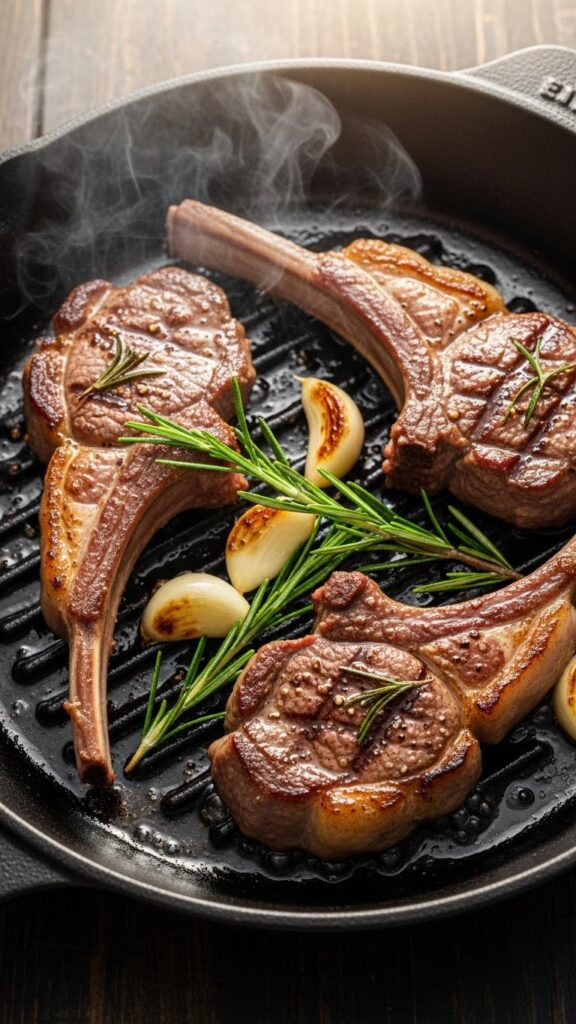
For Lamb Chops (Pan-Seared or Grilled):
- Heat your pan until very hot
- Add a thin layer of oil
- Sear chops 2–3 minutes per side
You’re looking for a deep golden-brown crust while keeping the inside juicy.
For Roasts (Leg or Shoulder):
- Start hot (around 425°F / 220°C) for browning
- Lower the heat (325°F / 165°C) to finish cooking slowly
This combination locks in juices and keeps the meat tender.
Know When It’s Done (Don’t Overcook!)
Overcooking is the fastest way to ruin lamb.
Ideal internal temperatures:
- Medium-rare: 130–135°F (54–57°C)
- Medium: 140–145°F (60–63°C)
If you don’t have a thermometer, use the finger test:
- Soft and springy = medium-rare
- Firm = well done (try to avoid this!)
Resting Is Not Optional
Once the lamb is cooked, step away. Seriously.
Let it rest:
- 5 minutes for chops
- 15–20 minutes for roasts
Resting allows the juices to redistribute instead of spilling out when you cut into it.
Slice and Serve the Right Way
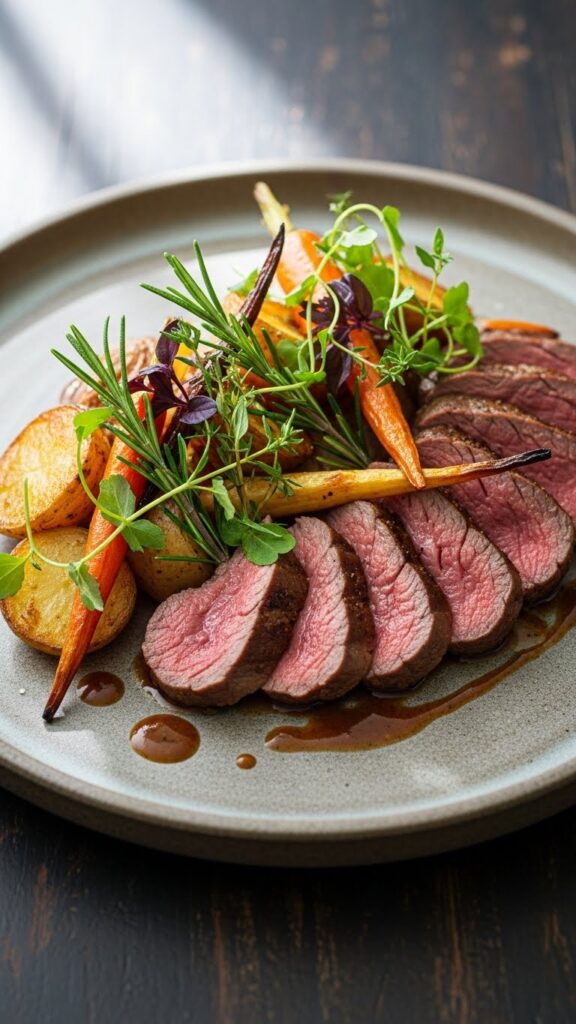
Always slice lamb against the grain. This shortens the muscle fibers and makes every bite more tender.
Serve with:
- Roasted vegetables
- Herbed potatoes
- Fresh salad with lemon dressing
Common Lamb Cooking Mistakes to Avoid
Even good cooks make these mistakes—skip them and you’re golden.
- Cooking lamb straight from the fridge
- Using too much seasoning
- Overcooking “just to be safe”
- Skipping the resting time
Remember: lamb is meant to be juicy and slightly pink inside.
Final Takeaway
Cooking lamb tender and flavorful isn’t about fancy tricks—it’s about timing, heat, and respect for the meat. Choose the right cut, season with confidence, cook it properly, and let it rest. That’s it.
Once you try lamb this way, it might just become your new favorite dinner star.
Save this guide for later, and enjoy your next lamb dish with confidence! 🐑✨
Leave a Reply