Fish has a reputation.
It’s either perfectly flaky and tender… or dry, rubbery, and disappointing.
If you’ve ever overcooked a beautiful fillet by “just a few more minutes,” you’re not alone. Fish cooks fast — and that’s exactly why it dries out so easily.
The good news? Once you understand a few simple principles, you’ll get moist, flavorful fish every single time.
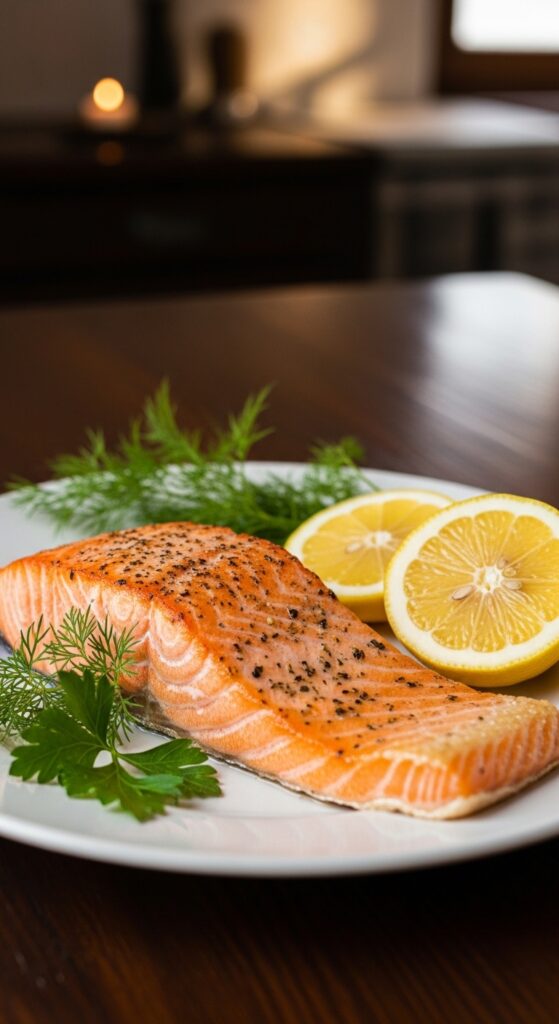
Let’s break it down step by step.
Why Fish Dries Out So Easily
Fish is naturally lean. It contains less connective tissue than meat, which means:
- It cooks quickly
- It needs less time
- It keeps cooking even after you remove it from heat
The window between “perfect” and “overdone” is small — but manageable.
Step 1: Choose the Right Type of Fish
Some fish are more forgiving than others.
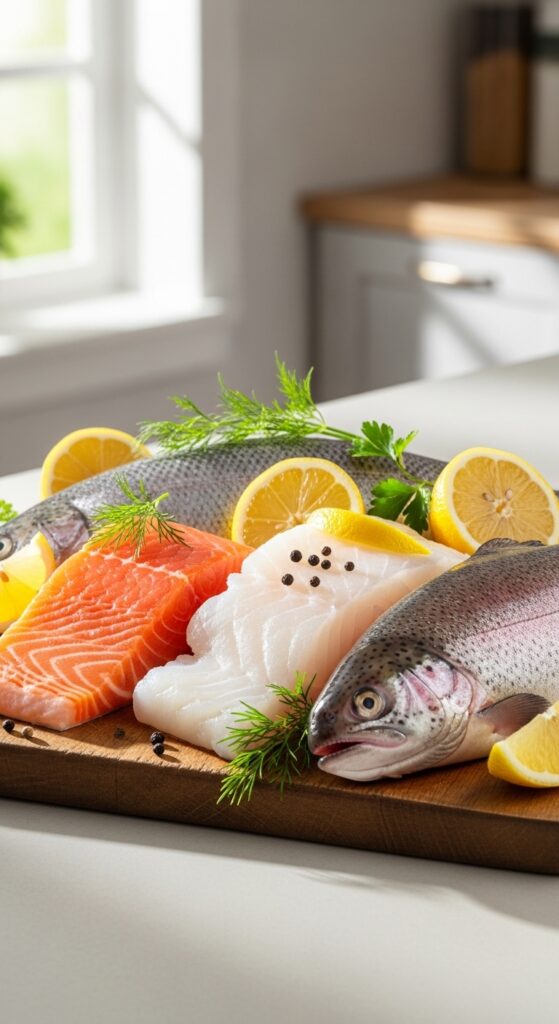
If you’re new to cooking fish, start with fattier varieties. They stay moist longer and are harder to ruin.
Great beginner-friendly options:
- Salmon
- Trout
- Arctic char
- Mackerel
Lean fish like cod or tilapia cook beautifully too — they just need a little more attention.
Step 2: Don’t Overcook It (The #1 Rule)
This is everything.
Fish is done when it:
- Turns opaque
- Flakes easily with a fork
- Reaches about 125–130°F (52–54°C) for most fillets
Remove it from heat slightly before you think it’s ready. Residual heat will finish the job.
A good visual cue:
The center should still look slightly translucent — not raw, just glossy.
If it looks chalky white all the way through, it’s likely overcooked.
Step 3: Use Gentle Heat
High heat can dry fish out fast — especially in a pan.
Instead:
- Use medium heat for pan-searing
- Bake at 375–400°F (190–200°C)
- Avoid blasting it under extreme heat unless broiling briefly
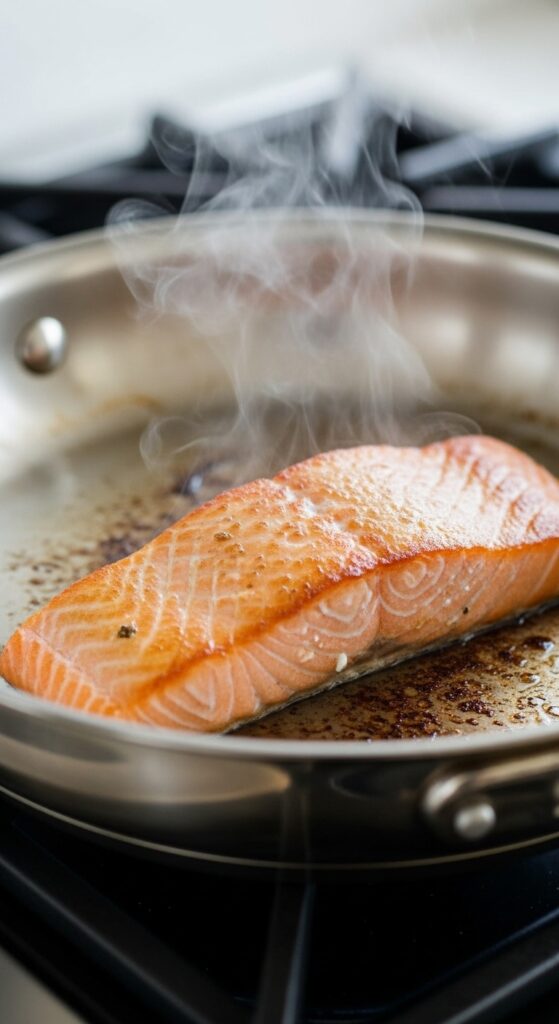
For pan-searing:
- Heat oil until shimmering.
- Place fish skin-side down.
- Don’t move it for 3–4 minutes.
- Flip once and finish briefly.
Letting it sit undisturbed helps create a crust without overcooking the inside.
Step 4: Keep Moisture In
Moisture is your best friend.
Try one of these methods:
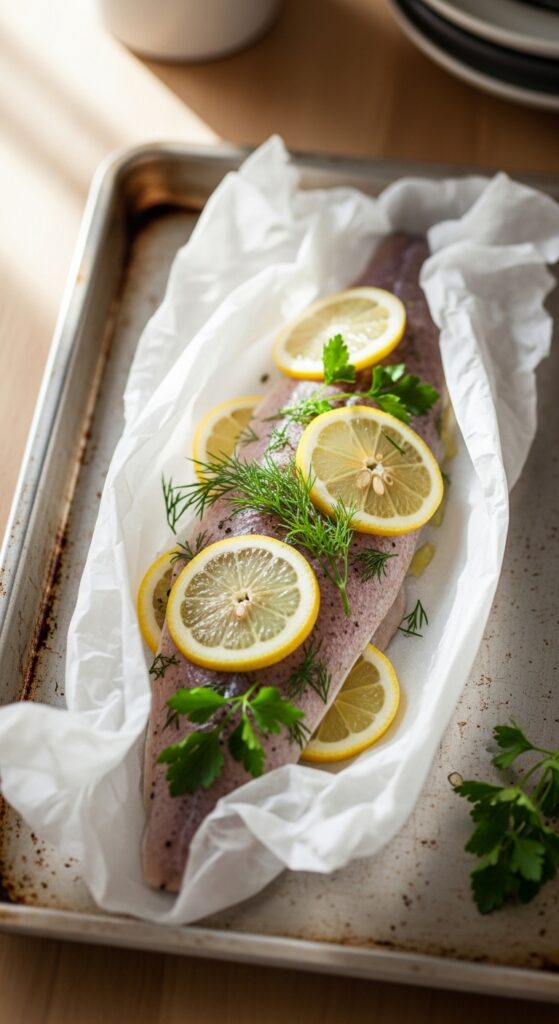
✔️ Bake in Foil (En Papillote)
Wrap fish with:
- Lemon slices
- Olive oil or butter
- Herbs
- A splash of white wine
The sealed packet traps steam and prevents drying.
✔️ Add a Sauce
Cooking fish in:
- Tomato sauce
- Coconut milk
- Cream sauce
Adds flavor and protection.
✔️ Brine It First
Soak lean fish in salted water (1 tablespoon salt per cup of water) for 15 minutes.
This helps it retain moisture while cooking.
Step 5: Let It Rest (Yes, Even Fish)
You don’t need a long rest like steak, but 3–5 minutes makes a difference.
Resting allows:
- Juices to redistribute
- Cooking to finish gently
- Texture to settle
Cutting immediately can release moisture too quickly.
Common Mistakes That Lead to Dry Fish
Avoid these and you’ll see instant improvement:
- Cooking straight from freezer without thawing
- Using high heat the entire time
- Flipping repeatedly
- Walking away “just for a minute”
- Not patting fish dry before searing
Moist fish is all about attention and timing.
Quick Cooking Times Cheat Sheet
For a 1-inch thick fillet:
- Pan-seared: 3–4 minutes per side
- Baked: 10–12 minutes
- Broiled: 6–8 minutes
- Grilled: 3–5 minutes per side
Rule of thumb:
About 10 minutes per inch of thickness.
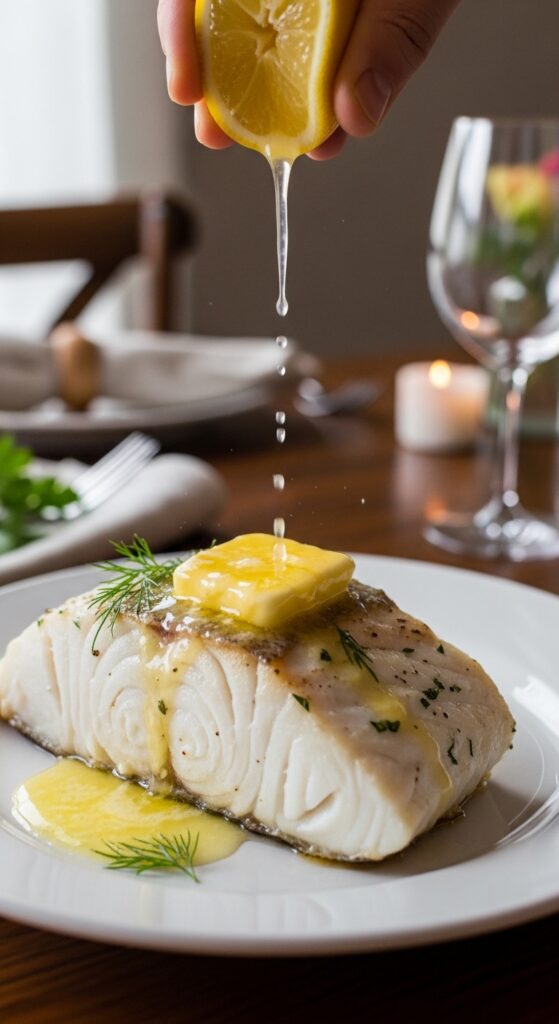
Pro Tip: Add Fat at the End
A small pat of butter or drizzle of olive oil right before serving adds shine, flavor, and extra moisture.
A squeeze of lemon brightens everything and makes the fish taste fresher instantly.
Why This Works
Perfect fish comes down to:
- Choosing forgiving cuts
- Using moderate heat
- Pulling it early
- Protecting moisture
That’s it.
No complicated techniques. No special equipment. Just mindful cooking.
Once you stop overcooking fish, everything changes. It becomes tender, juicy, and something you actually look forward to making.
Try one of these methods tonight.
And if this helped, save it for later — your future dinners will thank you. 🐟✨
Leave a Reply