Broccoli has a reputation problem—and honestly, it’s not its fault. Too many of us grew up eating overcooked, dull-green broccoli that smelled… well, suspicious. But when broccoli is cooked the right way, it’s crisp-tender, bright green, and surprisingly delicious. Once you master a few simple techniques, mushy broccoli will be a thing of the past.

This guide will walk you through why broccoli gets mushy, how to prep it properly, and the best cooking methods that keep it flavorful and firm. Whether you roast, sauté, steam, or stir-fry, you’ll end up with broccoli you actually want to eat.
Why Broccoli Turns Mushy (And How to Avoid It)
Before cooking, it helps to understand the enemy: overcooking.
Broccoli is mostly water. When exposed to heat for too long:
– Its cell walls break down
– Water seeps out
– The florets lose structure
– The color turns from bright green to dull olive
The fix is simple:
– Use high heat
– Cook for short periods
– Stop cooking as soon as it’s tender-crisp
If you remember just one thing, remember this: broccoli should still have a bite.
How to Prep Broccoli the Right Way
Good broccoli starts before it hits the pan.
Step-by-step prep tips:
– Wash broccoli under cold water and dry thoroughly
– Cut florets into even-sized pieces so they cook evenly
– Peel and slice the stems—they’re tender and delicious when cooked properly
– Avoid soaking broccoli in water (it absorbs moisture and steams instead of browns)
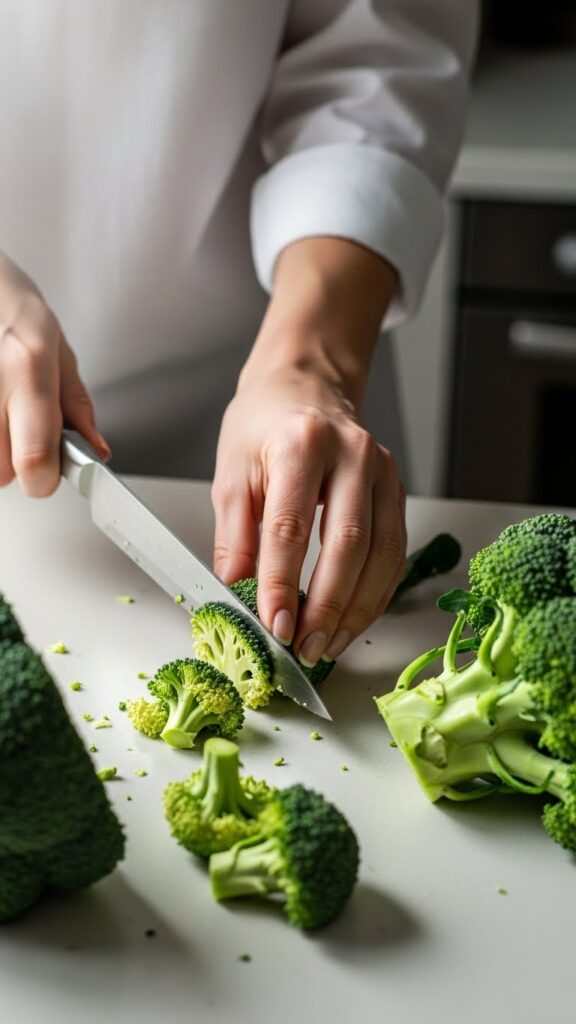
Pro tip: Dry broccoli thoroughly with a towel. Moisture is the enemy of crisp texture.
Method 1: Roasting Broccoli (Best for Crispy Edges)
Roasting is one of the best ways to cook broccoli without turning it mushy.
How to roast broccoli perfectly:
– Preheat oven to 425°F (220°C)
– Toss broccoli with olive oil, salt, and pepper
– Spread in a single layer on a baking sheet
– Roast for 18–22 minutes, flipping once halfway
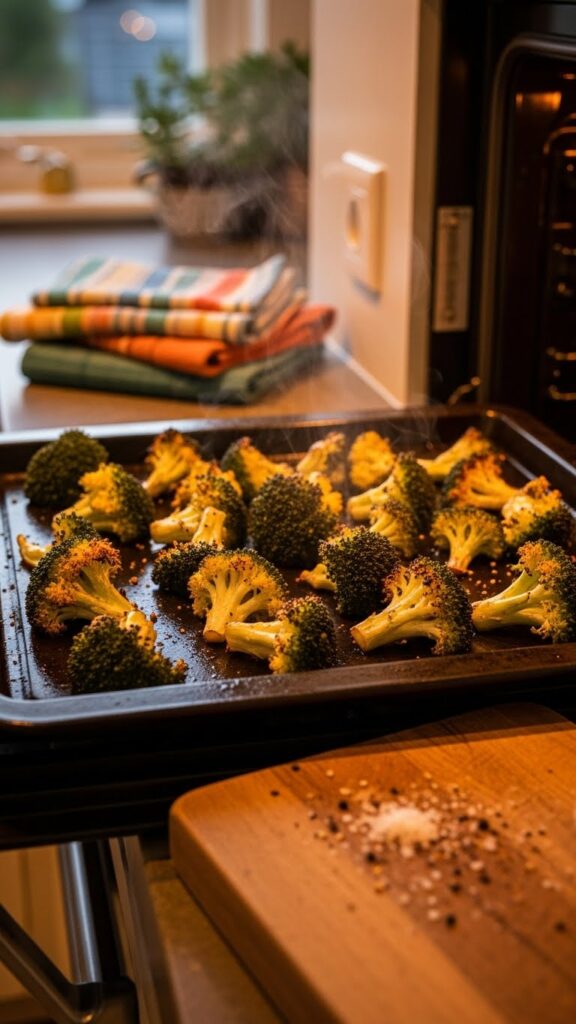
Why this works:
– High heat evaporates moisture quickly
– Caramelization adds flavor
– Broccoli stays firm with crispy tips
Optional add-ons:
– Garlic cloves
– Lemon zest
– Parmesan cheese (added after roasting)
Method 2: Sautéing Broccoli (Fast and Flavorful)
Short on time? Sautéing is your friend.
Steps for sautéed broccoli:
– Heat a skillet over medium-high heat
– Add oil, then broccoli
– Cook uncovered for 5–7 minutes
– Stir occasionally—not constantly
– Finish with garlic or soy sauce if desired
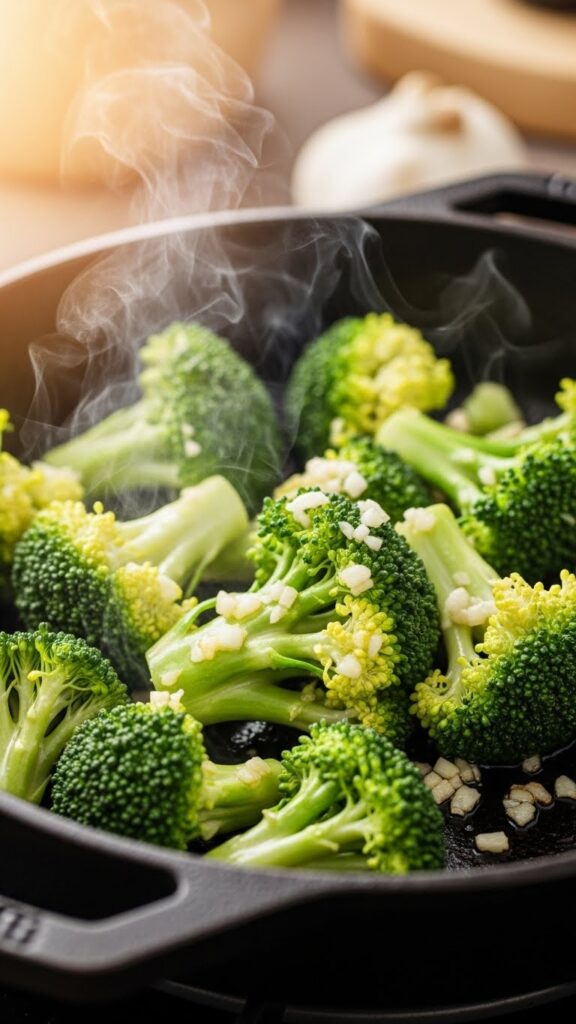
Avoid overcrowding the pan. Too much broccoli traps steam, leading to—you guessed it—mushiness.
Method 3: Steaming (Only If Done Correctly)
Steaming gets a bad reputation, but when done right, it produces crisp-tender broccoli.
The key rules:
– Use minimal water
– Steam for 3–5 minutes max
– Remove immediately once bright green
– Season after steaming
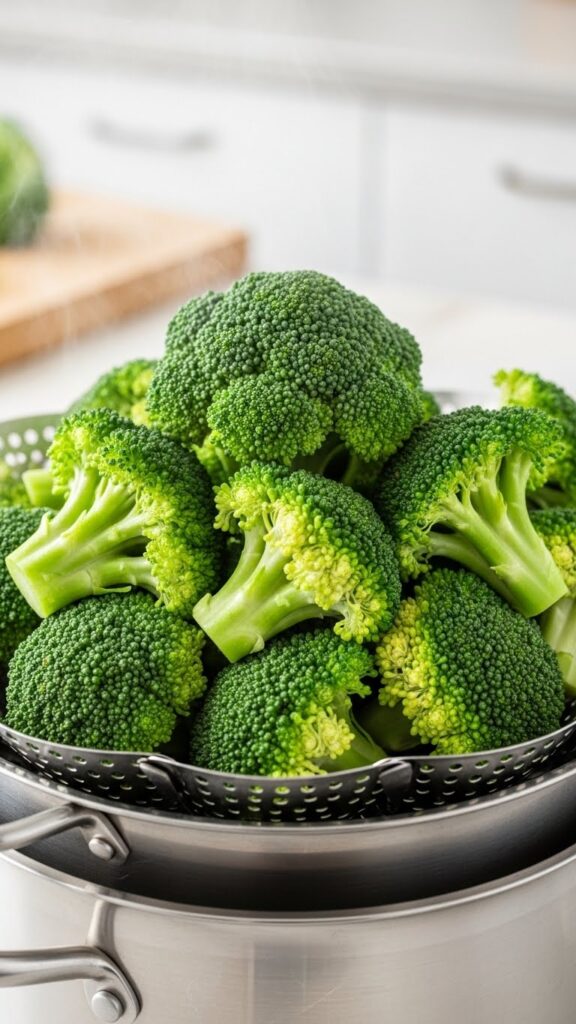
Ice bath trick: If you’re not serving immediately, dunk broccoli into ice water to stop the cooking and lock in color.
Method 4: Stir-Frying (Restaurant-Style Crunch)
Stir-frying gives you bold flavor and great texture.
How to stir-fry broccoli:
– Heat wok or pan until very hot
– Add oil, then broccoli
– Stir-fry for 2–4 minutes
– Add sauce at the very end
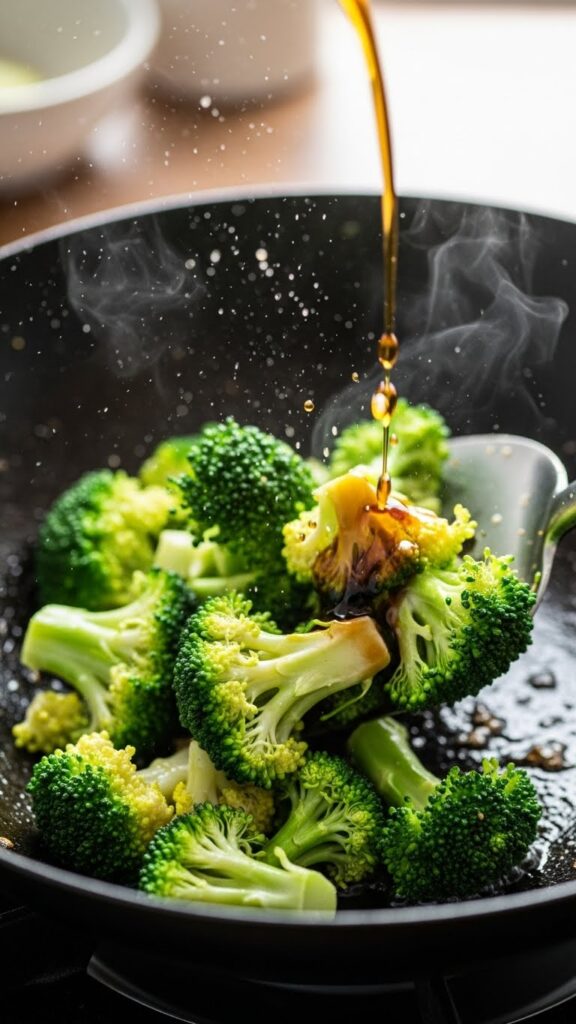
High heat + quick cooking = crisp broccoli every time.
Common Mistakes That Lead to Mushy Broccoli
Avoid these broccoli killers:
– ❌ Boiling for too long
– ❌ Covering the pan while cooking
– ❌ Using low heat
– ❌ Adding salt too early (draws out moisture)
– ❌ Overcrowding the pan
Fix these habits, and you’ll see an instant improvement.
Final Takeaway: Crisp Broccoli Is a Skill You Can Master
Cooking broccoli so it’s not mushy isn’t about fancy techniques—it’s about timing, heat, and confidence. Once you stop overcooking it, broccoli transforms into a vibrant, satisfying side dish that works with almost any meal.
Try one method this week—roasting or sautéing are great places to start—and notice the difference.
Save this guide for later, and the next time broccoli is on your plate, it’ll be green, crisp, and delicious instead of sad and soggy 🥦✨
Leave a Reply