You love an oven dinner, but you want the slow-cooker ease. If you’ve ever tried to convert oven recipes to crockpot and ended up with overcooked veggies or soupy stew, you’re not alone. You can stop guessing and start getting consistent results every time.
This guide shows how to convert oven recipes to crockpot without guesswork. I’ll share simple timing rules, liquid adjustments, and heat tips so you get the same flavor and texture—just set it and forget it. Quick tools that help: a digital kitchen scale for accurate portions and a reliable slow cooker with low/high settings.
Read on for step-by-step conversions, searing and liquid rules, testing doneness, and finishing touches. You’ll be ready to convert oven recipes to crockpot for roasts, casseroles, and baked dishes without the usual headaches.
Preparing Your Ingredients
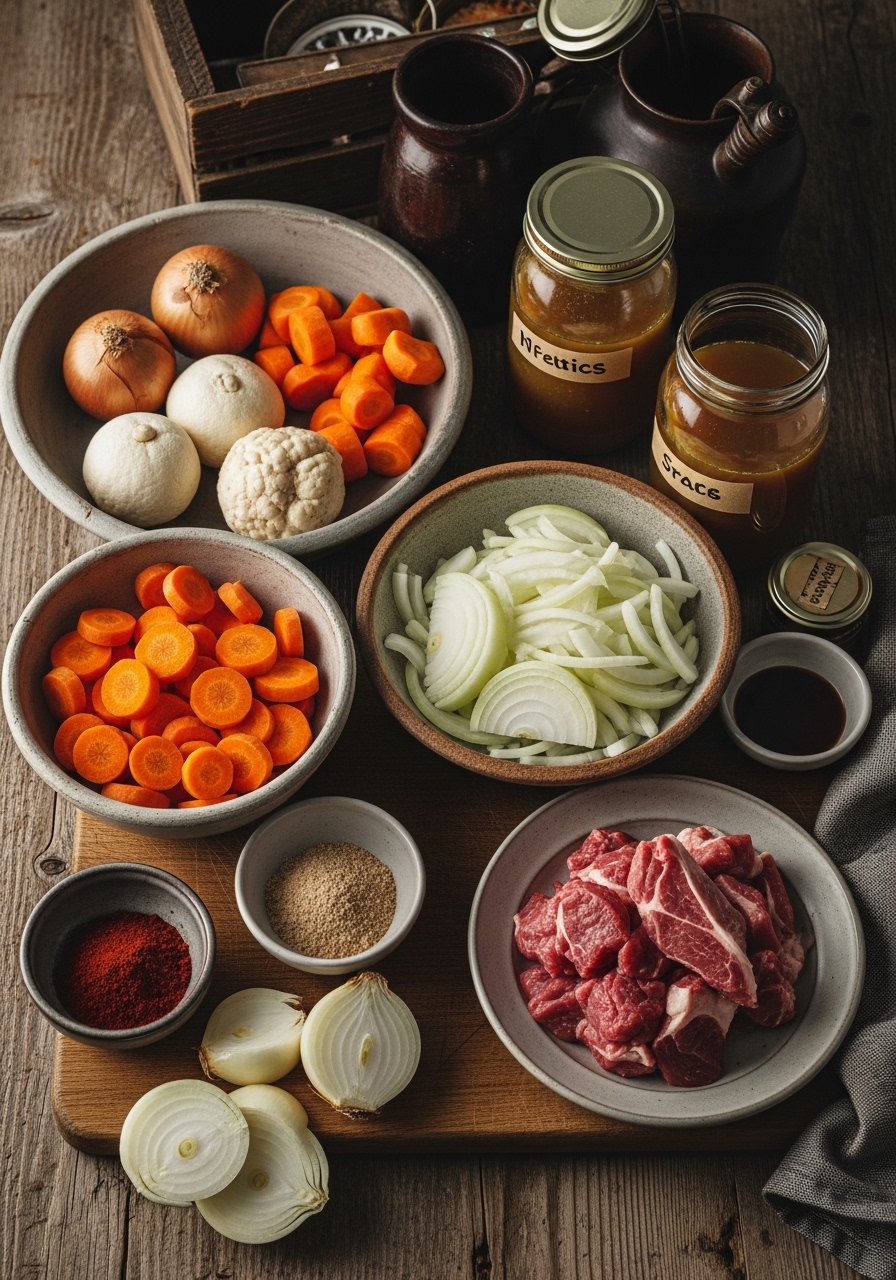
Trim and cut proteins and vegetables into even pieces so they cook at the same rate. For big roasts, cut into 2–3 inch chunks. For whole chickens, remove giblets and tuck legs.
- Weigh portions with a digital kitchen scale for consistent results.
- Brown meats briefly in a 10-inch cast iron skillet (https://www.amazon.com/s?k=10+inch+cast+iron+skillet&tag={{amazon_tag}}) to add flavor and seal juices.
- Reduce very watery vegetables (zucchini, mushrooms) by salting and draining for 10 minutes.
Tip: If a recipe calls for a high oven temperature for quick browning, sear first in the skillet to mimic that finish before moving to the crockpot.
The Simple Time & Temperature Rules
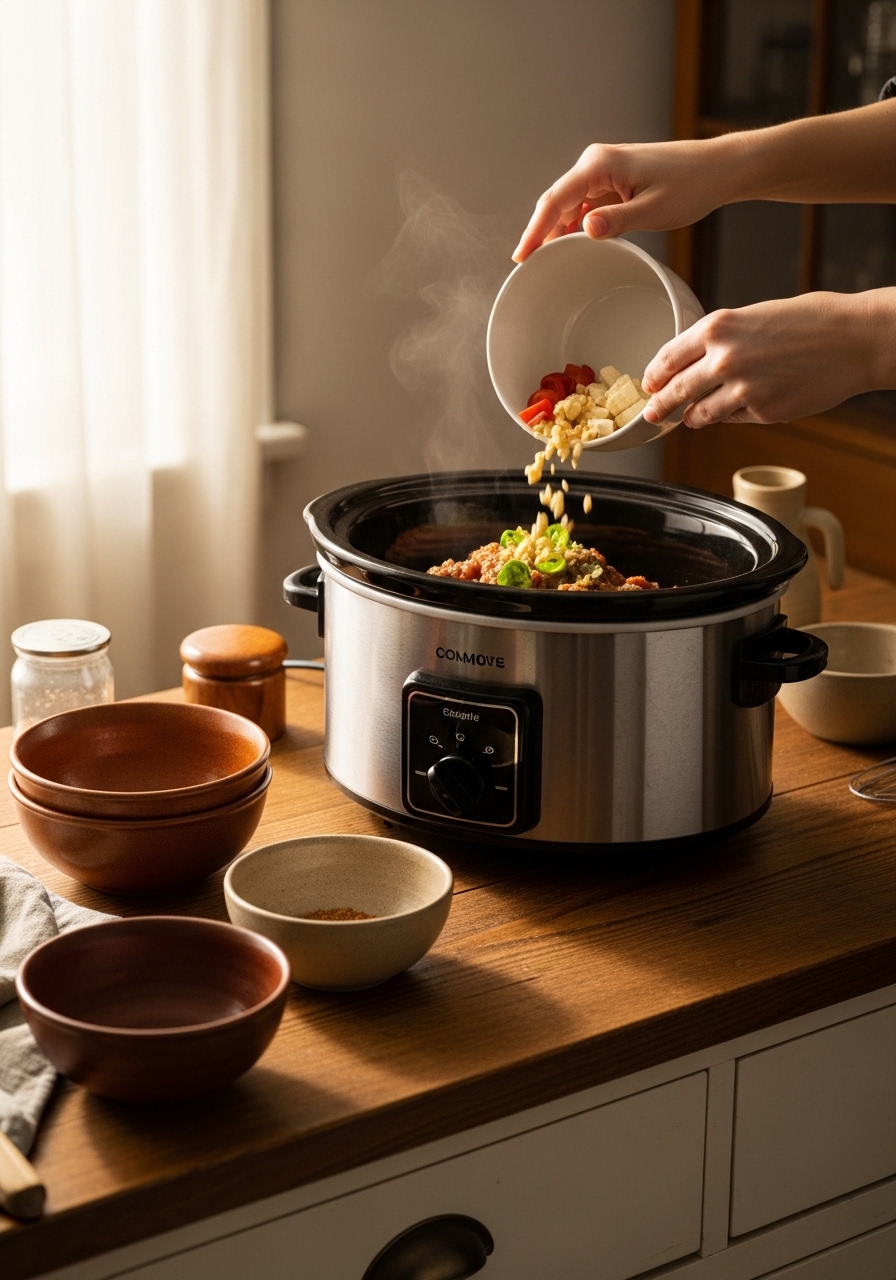
Use this quick conversion as your baseline when you convert oven recipes to crockpot:
- Oven 350°F for 1 hour → Crockpot Low 6–8 hours or High 3–4 hours
- Oven 325°F for 1–1.5 hours → Crockpot Low 7–9 hours or High 4–5 hours
- Oven 375–400°F short bakes (30–45 min) → Crockpot High 2–3 hours (texture may differ)
Steps:
- Lower overall heat and lengthen time—slow cookers rely on moisture and steady low heat.
- Start on high for the first hour if you need a faster result, then switch to low.
- Avoid lifting the lid; every lift adds ~20–30 minutes.
Product tip: Use slow cooker liners for easy cleanup when making saucy oven-to-crockpot swaps.
Liquid, Layers, and Texture
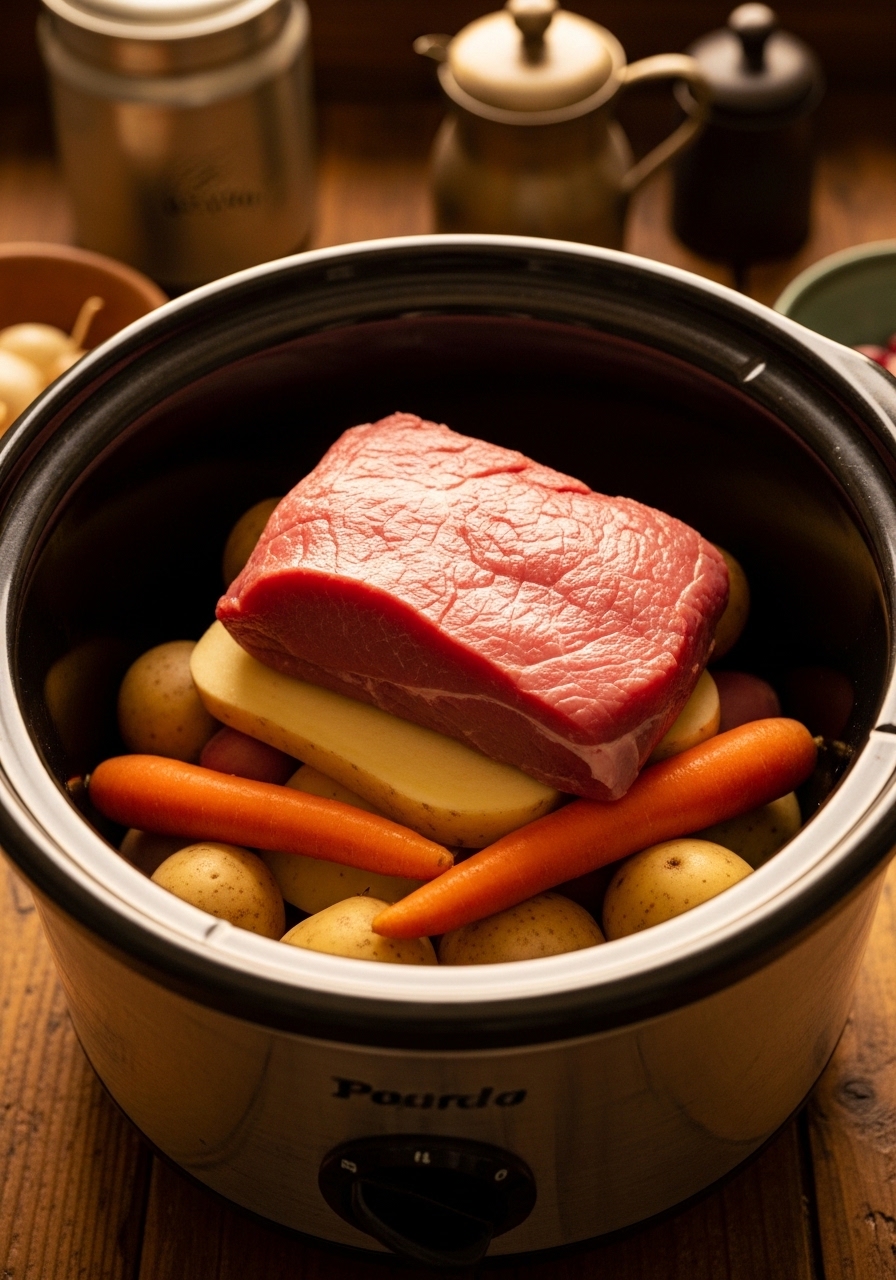
Crockpots trap steam, so you usually need less liquid than an oven recipe.
- Reduce liquid by about one third from the oven recipe. For soups or braises, reduce less; for casseroles, reduce more.
- Layer denser ingredients (potatoes, carrots) on the bottom and protein on top so denser items get more direct heat.
- For casseroles that rely on evaporation (like baked pasta), cook uncovered for the last 30–60 minutes to tighten texture, or finish under a broiler quickly.
Tools that help: a silicone spatula for scraping sides and a parchment paper alternative for baking-transition recipes when you need a crisp top after slow cooking.
Checking Doneness & Finishing Touches
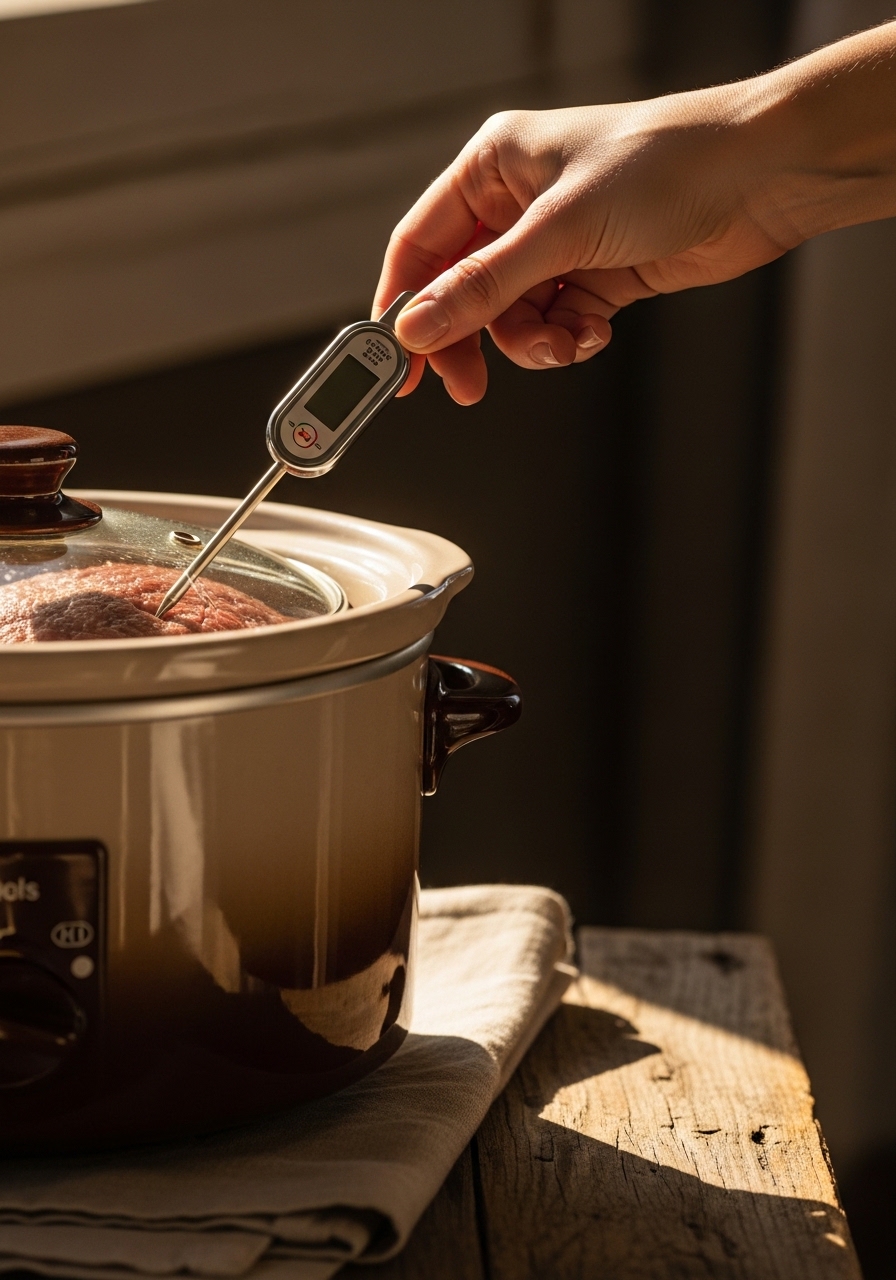
Never guess doneness—test it. Insert an instant-read thermometer into the thickest part of meat. Targets:
- Chicken: 165°F
- Pork: 145°F (rest 3 minutes)
- Braised beef/pork for shredding: 195°F–205°F
If a dish is too liquidy, remove the lid and cook on high for 30–60 minutes, or thicken with a slurry: 1 tablespoon cornstarch + 2 tablespoons cold water, stir and add.
Finish crispy toppings by transferring to a baking sheet and broiling for 3–5 minutes in a 10-inch cast iron skillet or broiler-safe dish.
- Store leftovers in glass storage containers for up to 4 days.
- Reheat gently to avoid drying; add a splash of stock if needed.
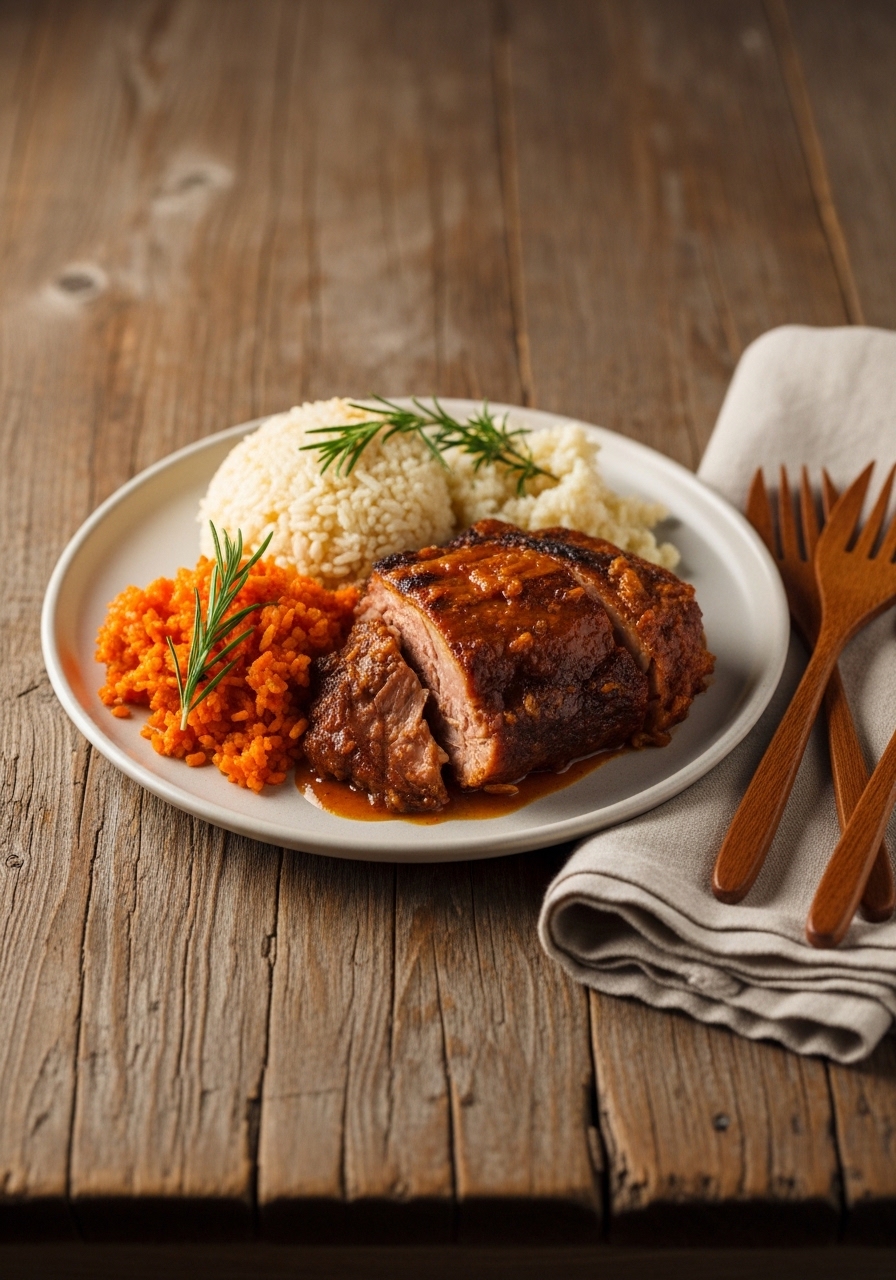
You can reliably convert oven recipes to crockpot with these rules and a couple of tools. Start by weighing and searing, follow the time/temperature chart, cut liquids, and test with a thermometer. Save this guide and try a baked dish next week—pin it for later.
One last tip: grab an instant-read thermometer if you don’t have one—it's the easiest way to stop guessing and start serving perfect results. Pin this guide for your next slow-cooker night — which oven recipe will you convert first?
Leave a Reply