You’ve got busy days and know you feel better when your plate has more protein, but building a balanced meal fast can feel messy. A simple framework for a high protein plate removes guesswork so you get steady energy, fuller meals, and easier meal prep.
The secret? A digital kitchen scale for accurate portions and a set of glass meal prep bowls to prep and store components. With those, you’ll build a high protein plate consistently in under 15 minutes.
Read on to learn step-by-step how to portion, cook, and assemble plates that hit protein targets, include balanced carbs and fats, and store well for quick meals all week.
Start with smart portions and prep
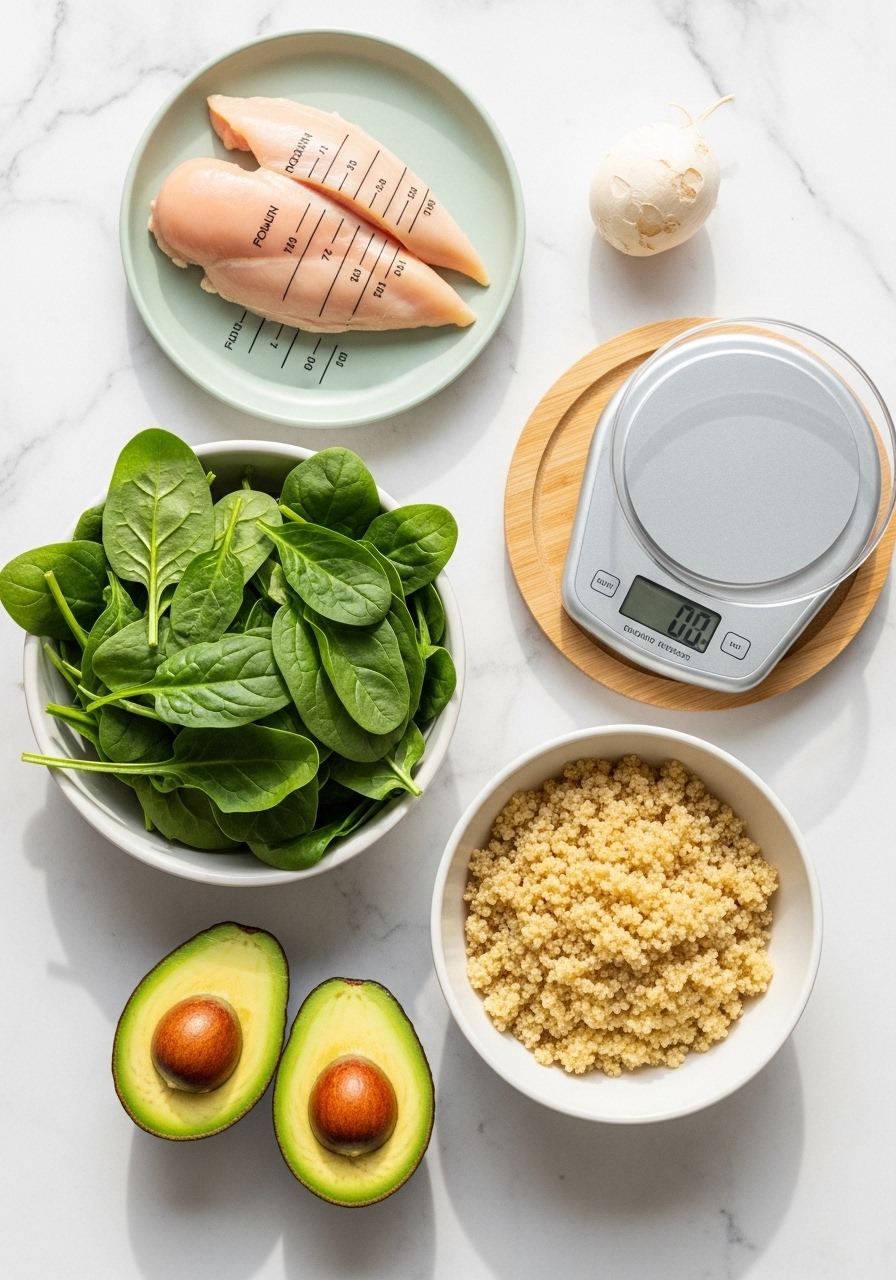
Protein portions make or break a high protein plate. Aim for 20–40 g of protein per meal depending on your goals.
- Use the digital kitchen scale to weigh proteins: 100–150 g cooked chicken or fish equals about 25–30 g protein.
- Measure carb sides with ½ to 1 cup cooked grains (quinoa, brown rice); use measuring cups when needed.
- Prep vegetables in advance using a sharp chef’s knife on a sturdy cutting board to save 10–15 minutes daily.
Quick steps:
- Weigh raw protein to plan portions.
- Portion grains into glass bowls for reheating.
- Chop 2–3 cups of quick-roast veggies for texture and fiber.
Tip: A chef’s knife and a non-slip cutting board speed prep and reduce slips.
Choose diverse protein sources
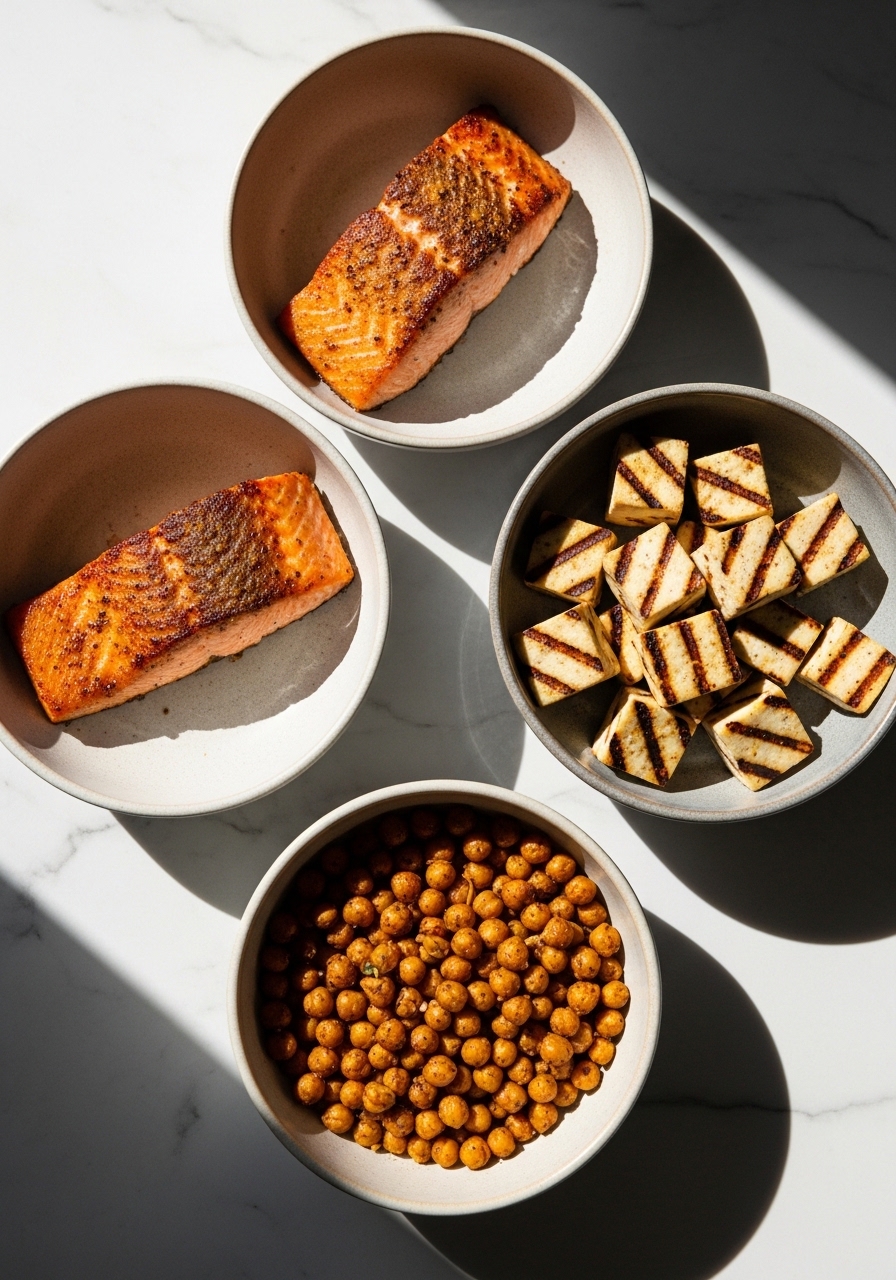
Variety keeps meals interesting and covers different amino acids and nutrients. Rotate these options:
- Animal proteins: 4–6 oz grilled chicken, salmon, or lean beef — cook in a 10-inch cast iron skillet or non-stick pan.
- Plant proteins: 1 cup cooked lentils or ¾ cup mashed chickpeas; pulse tofu in a food processor for quick patties.
- Quick proteins: Canned tuna or rotisserie chicken for fast assembly.
Cooking tips:
- Use a non-stick sauté pan for lean cuts to avoid extra oil.
- Check doneness with an instant-read thermometer — chicken should reach 165°F.
Pro trick: Make a double batch of one protein to mix into salads, bowls, and wraps all week.
Add balanced carbs, veggies, and healthy fats
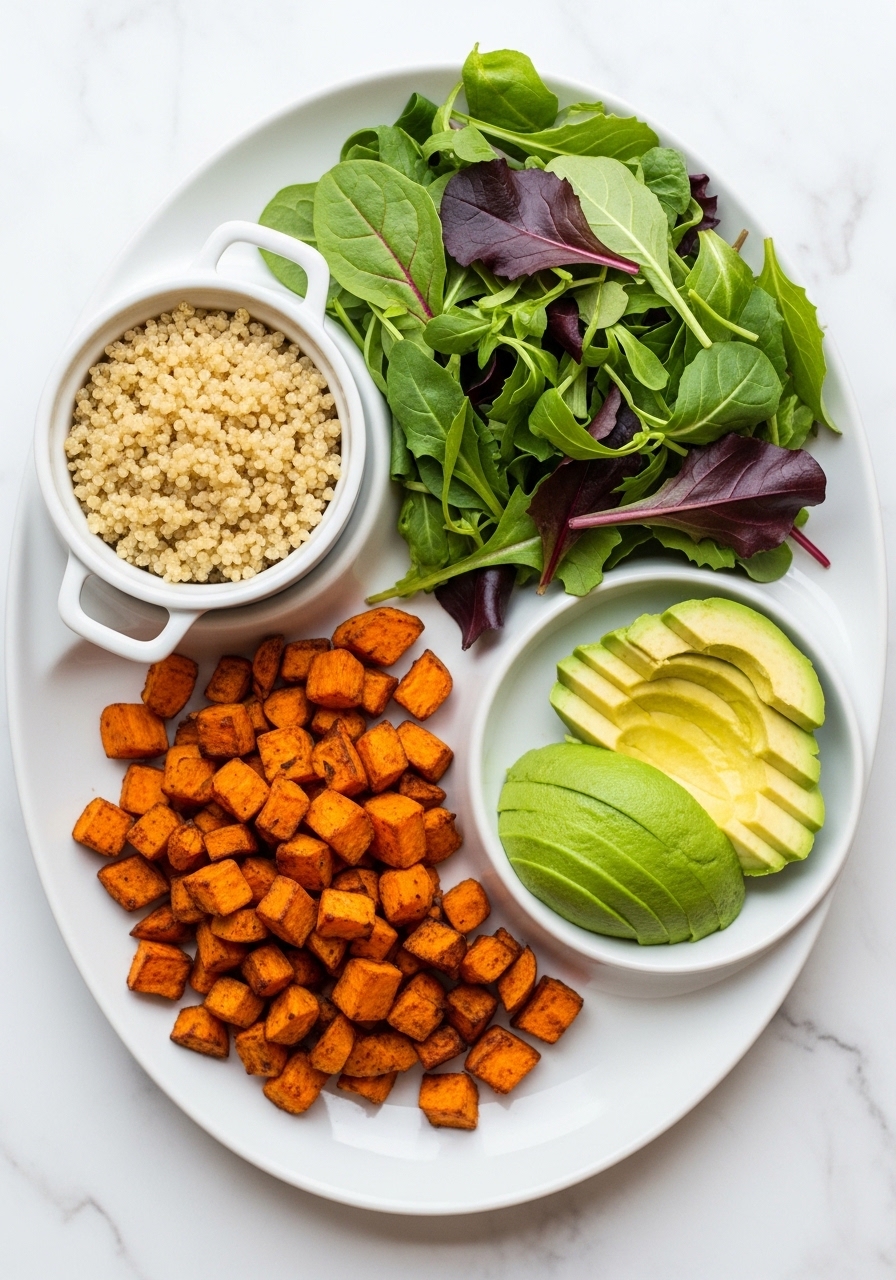
Carbs and fats round out a high protein plate so meals are satisfying and steady.
- Carbs: ½–1 cup cooked whole grains or ¾ cup roasted starchy veg (sweet potato).
- Veggies: Fill half the plate with colorful vegetables — raw, steamed, or roasted.
- Fats: Add 1–2 tbsp olive oil, ¼ avocado, or a small handful of nuts.
Quick tips:
- Roast a tray of mixed veggies on a parchment-lined sheet using parchment paper for easy cleanup.
- Keep dressings in a small jar or use a silicone spatula to scrape every last bit from containers.
Avoid overloading on starchy sides — keep the plate balanced visually: protein + grain + veg + fat.
Assemble, portion, and store for quick meals
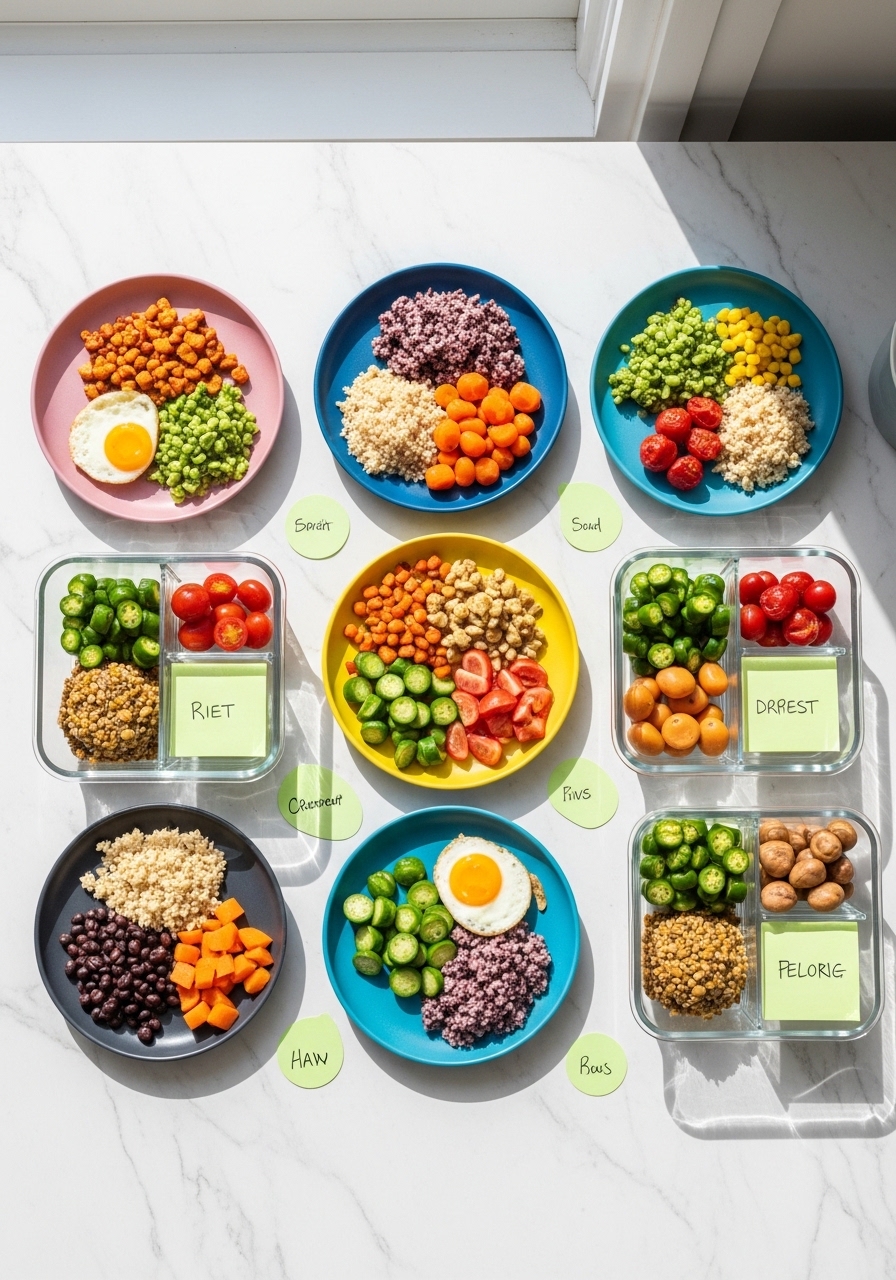
Assembly is where the plan becomes reality. Portion every meal using these steps:
- Place protein (top right) — 4–6 oz.
- Add whole grain (bottom right) — ½ cup.
- Fill half the plate with veggies (left side).
- Drizzle or add fat (olive oil, avocado).
Storage and reheating:
- Use glass storage containers to keep components fresh.
- Freeze extra portions in freezer bags for up to 3 months.
- Reheat proteins gently in a microwave-safe dish or in the oven at 300°F until warmed through.
Make-ahead shortcut: Batch-cook grains and one protein on Sunday, then mix-and-match through the week using your glass bowls.
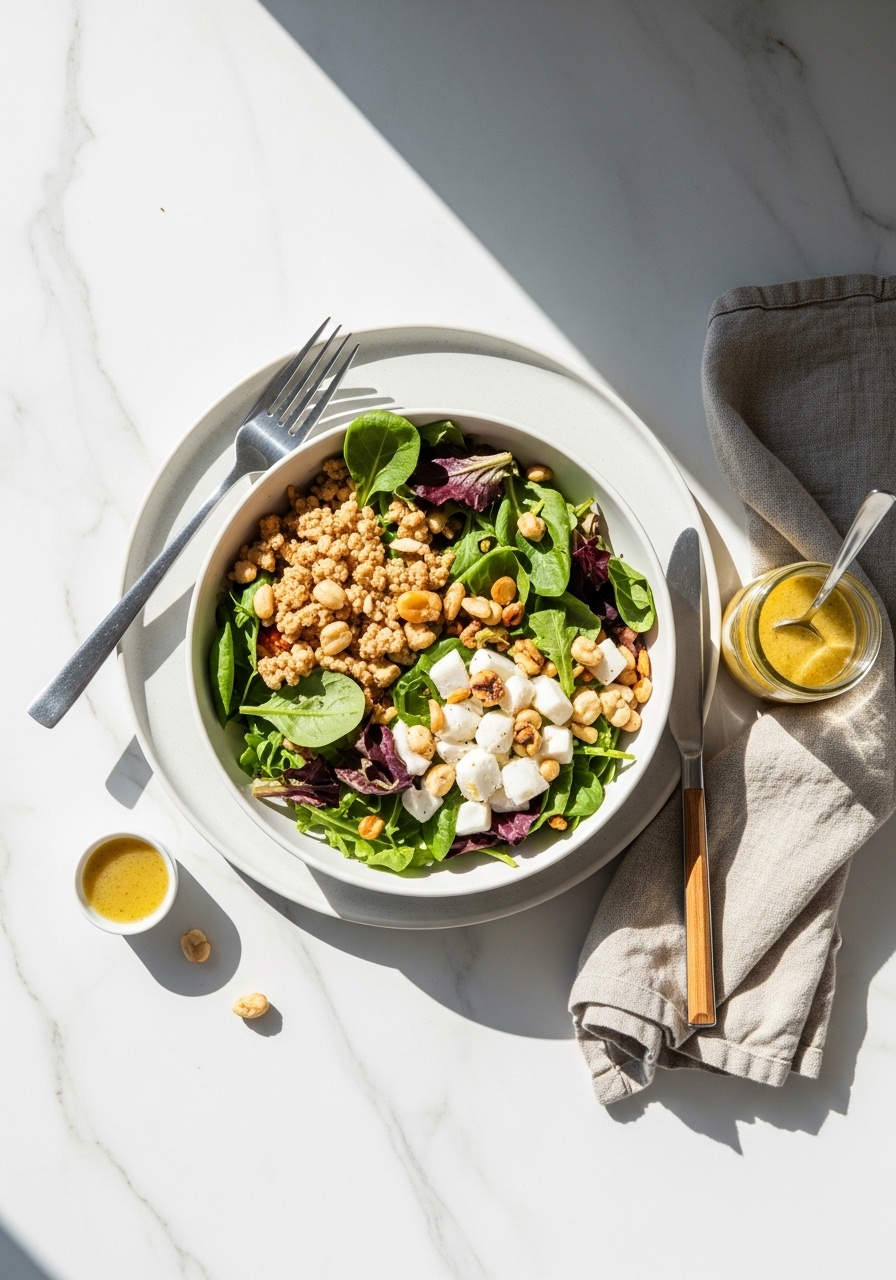
Once you’ve practiced this few times, building a high protein plate becomes second-nature. Save this guide and pin it so you can recreate balanced meals quickly. Which protein will you batch-cook first? Consider grabbing a digital kitchen scale or an instant-read thermometer to make portions and doneness foolproof — you'll thank yourself midweek. Pin this guide for meal prep day and share it with a friend who wants easier weeknight dinners!
Leave a Reply