Cooking can feel frustrating when a dish tastes almost right—but something is missing. Maybe it’s too flat, too sharp, or just kind of boring. That usually means the flavors aren’t balanced. The good news? You don’t need fancy techniques or chef training to fix it. Once you understand how sweet, salty, sour, and umami work together, you can make almost any dish taste better with a few simple tweaks.

This guide will walk you through how to recognize each flavor, how they interact, and exactly what to add when something tastes “off.”
Understanding the Four Core Flavors
Before balancing flavors, you need to know what each one does.
- Sweet: Adds comfort and rounds out sharp or bitter notes
Examples: sugar, honey, maple syrup, fruit, caramelized vegetables - Salty: Enhances overall flavor and brings everything into focus
Examples: salt, soy sauce, miso, cheese, olives - Sour: Brightens dishes and cuts through richness
Examples: lemon juice, vinegar, yogurt, tomatoes - Umami: Adds depth and savory richness
Examples: mushrooms, Parmesan, soy sauce, anchovies, tomatoes
A balanced dish doesn’t taste sweet or salty—it tastes complete.
Step 1: Start With a Flavor Base
Every good dish begins with a strong base. This usually includes fat, aromatics, and seasoning.
Think:
- Olive oil or butter
- Onion, garlic, or shallots
- A pinch of salt
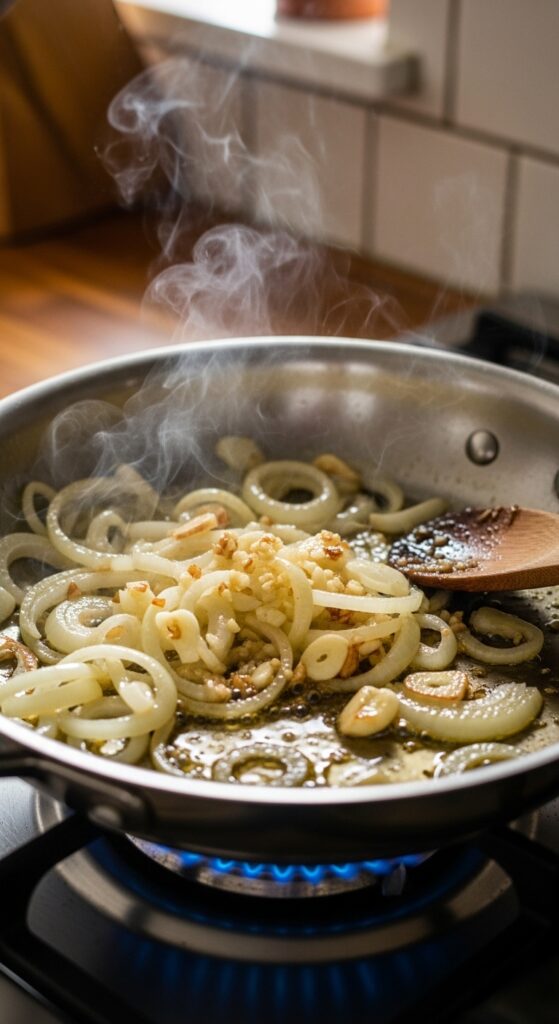
This foundation sets you up for success. If your base tastes bland, the finished dish will too—no matter what you add later.
Step 2: Taste Early and Often
Balancing flavors isn’t something you do only at the end. Taste throughout cooking.
Ask yourself:
- Does it taste flat?
- Is it too sharp or too heavy?
- Does one flavor dominate?
Small adjustments made early are easier to control than big fixes at the end.
Step 3: Adjust One Flavor at a Time
When something tastes wrong, don’t add everything at once. Identify the problem and fix it with intention.
If it tastes bland:
- Add salt first
- Then consider umami (a splash of soy sauce or grated cheese)
If it tastes too salty:
- Add sweet (a pinch of sugar or honey)
- Or sour (lemon juice or vinegar)
- Or dilute with water, broth, or cream
If it tastes too sour:
- Add sweet to soften the sharpness
- Or add fat (butter, oil, cream)
If it tastes too rich or heavy:
- Add sour to brighten it up
- A squeeze of lemon can work miracles
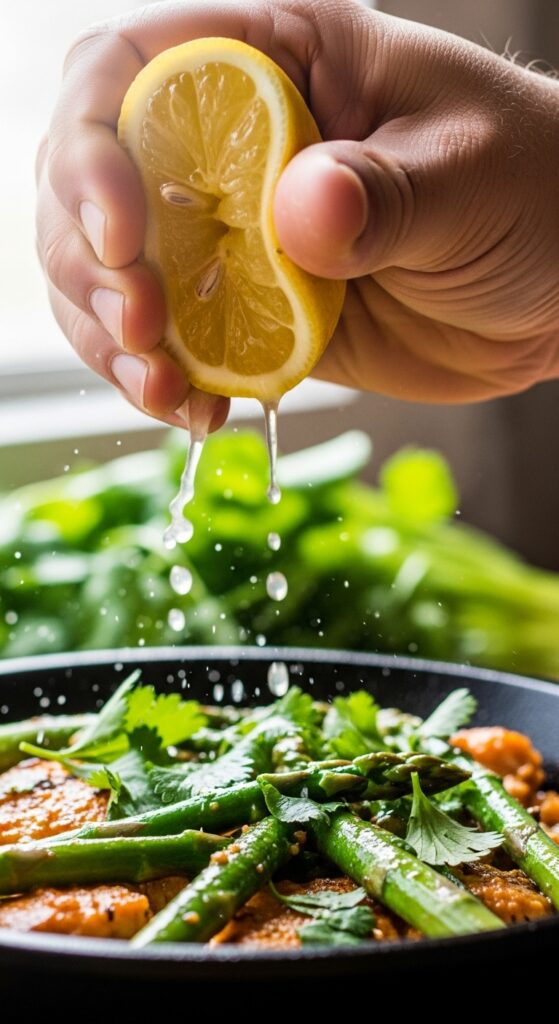
Always add small amounts. You can add more, but you can’t take it back.
Why Sweet and Sour Are Secret Weapons
Sweet and sour are often overlooked in savory cooking, but they’re key to balance.
- A tiny bit of sugar can:
- Calm acidity in tomato sauce
- Balance spicy heat
- Enhance roasted vegetables
- A splash of acid can:
- Wake up soups and stews
- Cut through creamy sauces
- Make meats taste less greasy
You’re not trying to taste sugar or vinegar—just enough to support the other flavors.
Step 4: Layer Umami for Depth
Umami is what makes food taste satisfying and crave-worthy.
Easy ways to add it:
- Parmesan or aged cheese
- Soy sauce or tamari
- Mushrooms (fresh or dried)
- Tomato paste
- Miso
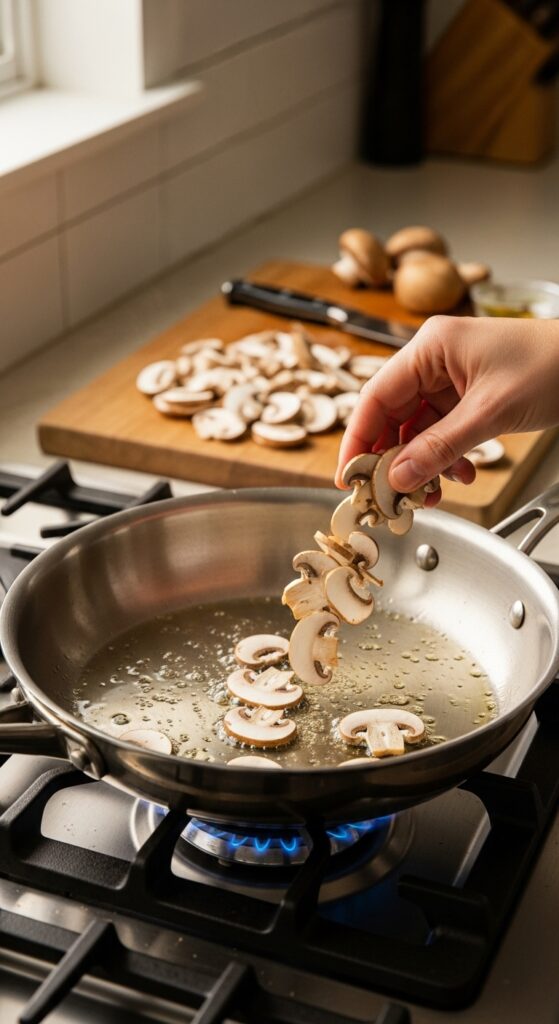
A little umami can make simple dishes taste slow-cooked and complex.
Common Flavor-Balancing Mistakes
Even experienced cooks make these mistakes:
- Over-salting too early
Some ingredients reduce and intensify as they cook. - Ignoring acid
Many dishes need brightness, not more salt. - Adding too much at once
Balance is about subtlety, not big swings. - Forgetting fat
Fat carries flavor and softens harsh edges.
Pro Tips for Confident Flavor Balancing
- Keep these on hand:
- Lemon or vinegar
- Soy sauce or Parmesan
- Honey or sugar
- Use the “pinch and taste” rule
Add a pinch, stir, taste, repeat. - Trust your tongue
Recipes are guides, not rules. - Practice on simple dishes
Soups, pasta sauces, and stir-fries are perfect for learning.
Final Touches and Takeaway
Balancing sweet, salty, sour, and umami isn’t about perfection—it’s about awareness. Once you know what each flavor does, cooking becomes less stressful and more intuitive. You’ll start fixing dishes instinctively instead of guessing.
Try this the next time something tastes “off,” and notice how small changes make a big difference.
Save this guide for later, and pin it for easy reference the next time you’re cooking.
Leave a Reply