You love salmon but worry it turns out dry or undercooked. If you want to stop guessing and learn how to bake salmon perfectly every single time, this guide walks you through simple steps you can use tonight. No vague timings—just clear temps, tools, and tiny tricks that protect flaky, juicy salmon.
The secret is consistent measurements and a good temperature check. Try a digital kitchen scale for portion control and an instant-read thermometer so you never overbake. These two tools alone make learning how to bake salmon perfectly feel effortless.
Read on to get step-by-step instructions, exact oven times, seasoning ideas, and quick fixes. You’ll learn how to prep, bake, check doneness, and plate like someone who bakes salmon perfectly every single time.
Preparing Your Ingredients for Even Cooking
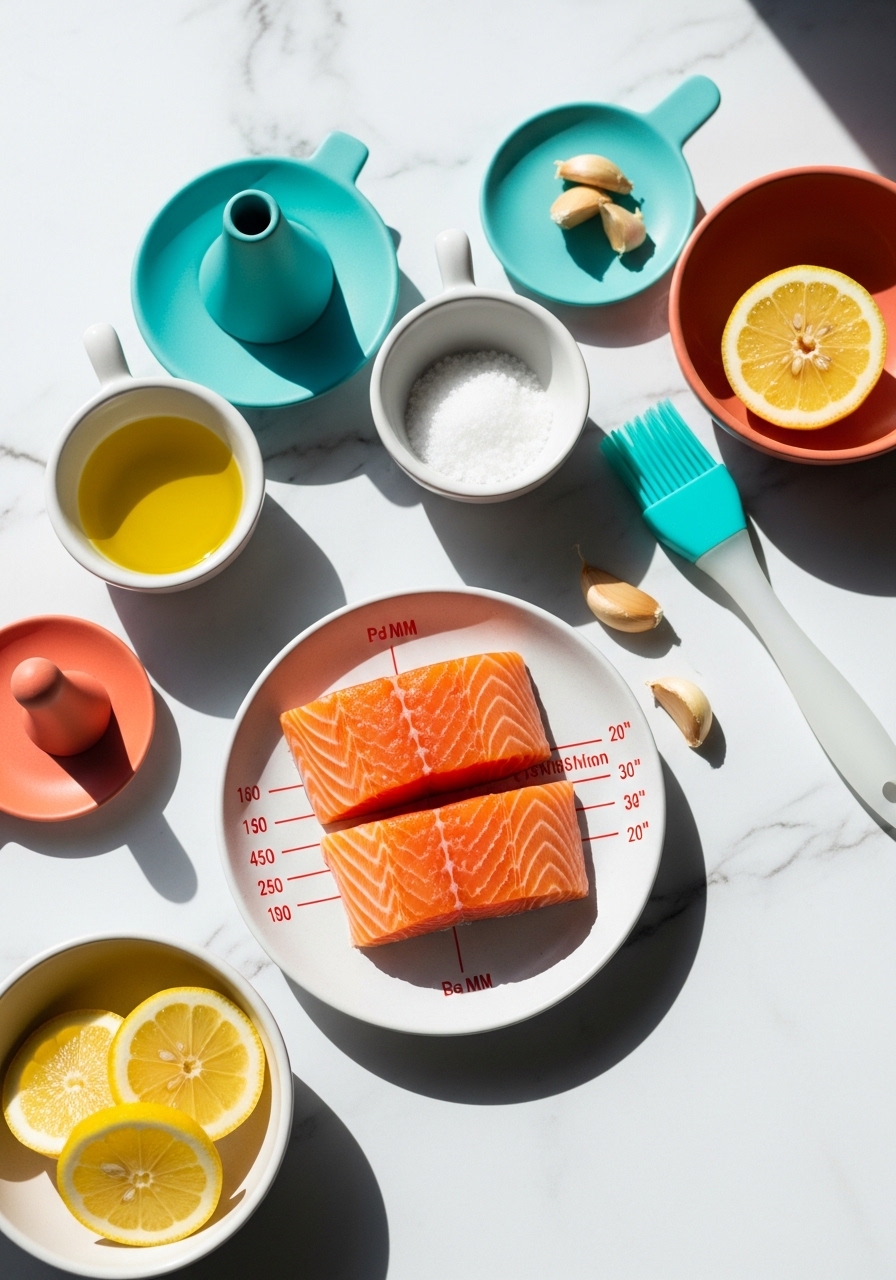
Start by portioning fillets to uniform thickness so they cook evenly—use a digital kitchen scale if portions vary. Pat salmon dry with paper towels to help the seasoning stick and to promote a light crust.
- Trim any ragged edges and check for pin bones with clean fingers.
- Season simply: 1/2 tsp salt and 1/4 tsp pepper per 6 oz fillet, plus a drizzle of olive oil.
Quick prep tips:
- Line a baking sheet with a silicone baking mat or parchment paper to prevent sticking.
- Use a silicone pastry brush to spread oil and marinades evenly.
Seasoning, Marinades, and Flavor Ideas
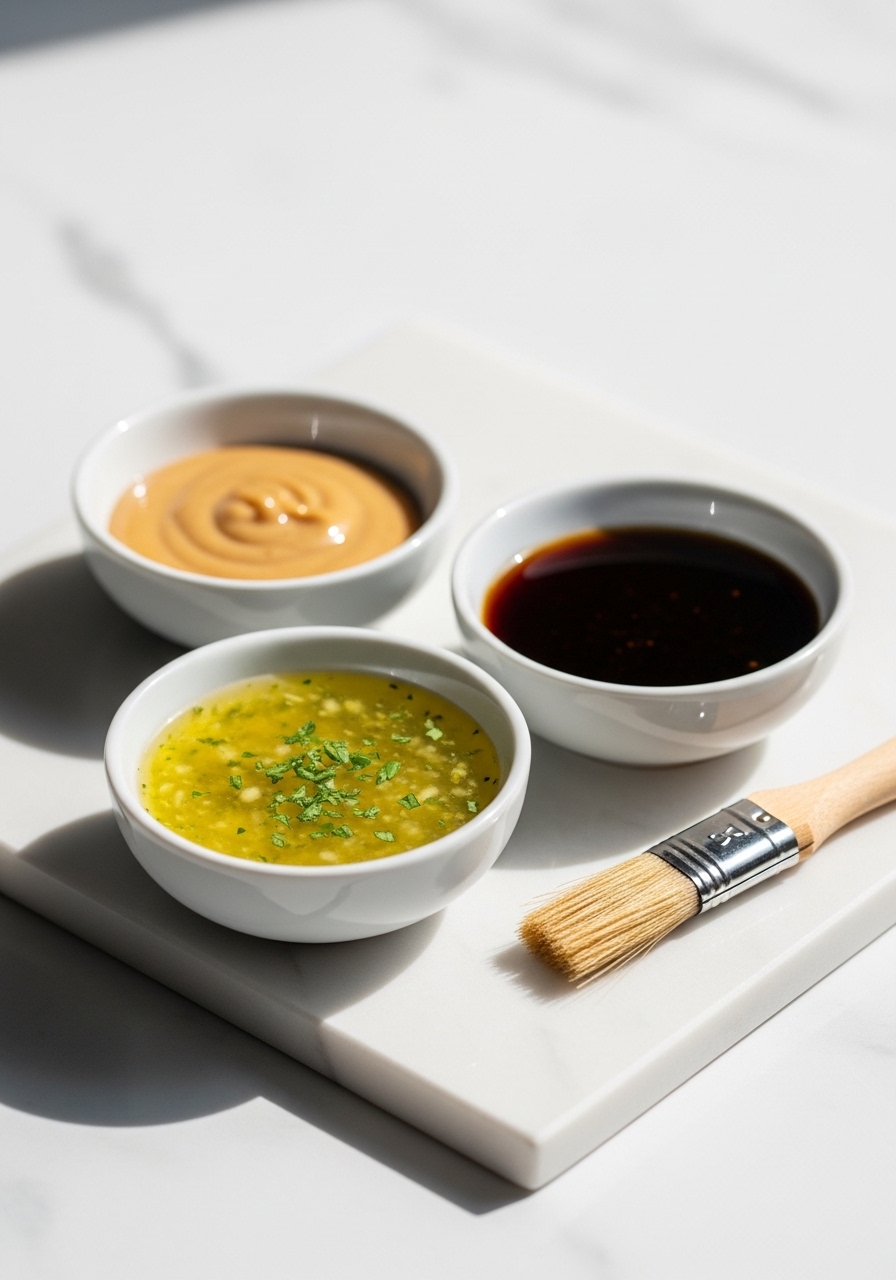
Choose a simple seasoning to highlight the fish. For reliable results when you learn how to bake salmon perfectly, keep flavors balanced.
- Lemon-herb: olive oil, lemon zest, chopped dill or parsley.
- Honey-mustard: 1 Tbsp Dijon + 1 tsp honey per fillet.
- Soy-ginger: 1 tsp soy sauce + 1/2 tsp grated ginger.
Tips:
- Marinate no longer than 30 minutes for citrus or acidic mixes.
- For sticky glazes, apply half before baking and half in the last 2 minutes.
- Use a small bowl set to organize sauces and speed the process.
Baking Technique: Temperature, Time, and Tools
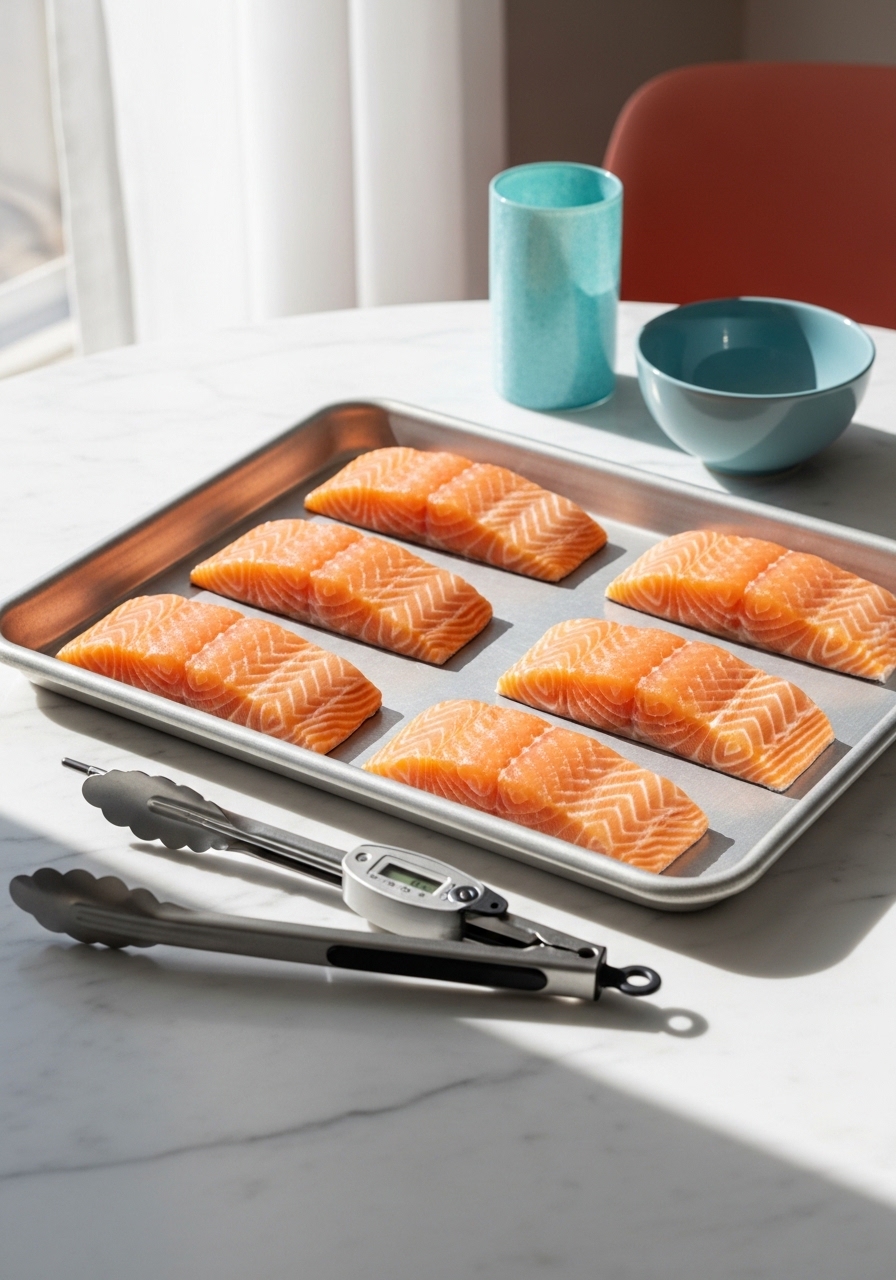
This step teaches you how to bake salmon perfectly every single time by using reliable temps and a thermometer.
- Preheat oven to 400°F (200°C) for a balance of browning and moistness.
- Bake 10 minutes per inch of thickness, measured at the thickest part.
- Target internal temperature: 125–130°F for medium-rare, 145°F if you prefer well done. Check with an instant-read thermometer.
Numbered process:
- Place fillets skin-side down on a lined sheet (use parchment paper or a silicone baking mat).
- Bake uncovered in the center rack.
- Test temperature at thickest spot; remove salmon 5°F below your target as it carries over cooks.
Pro tips:
- A wire cooling rack on the sheet lets air circulate for crisper bottoms.
- If you want a quick sear, finish 1–2 minutes under the broiler—watch closely.
Finishing Touches, Serving, and Storage
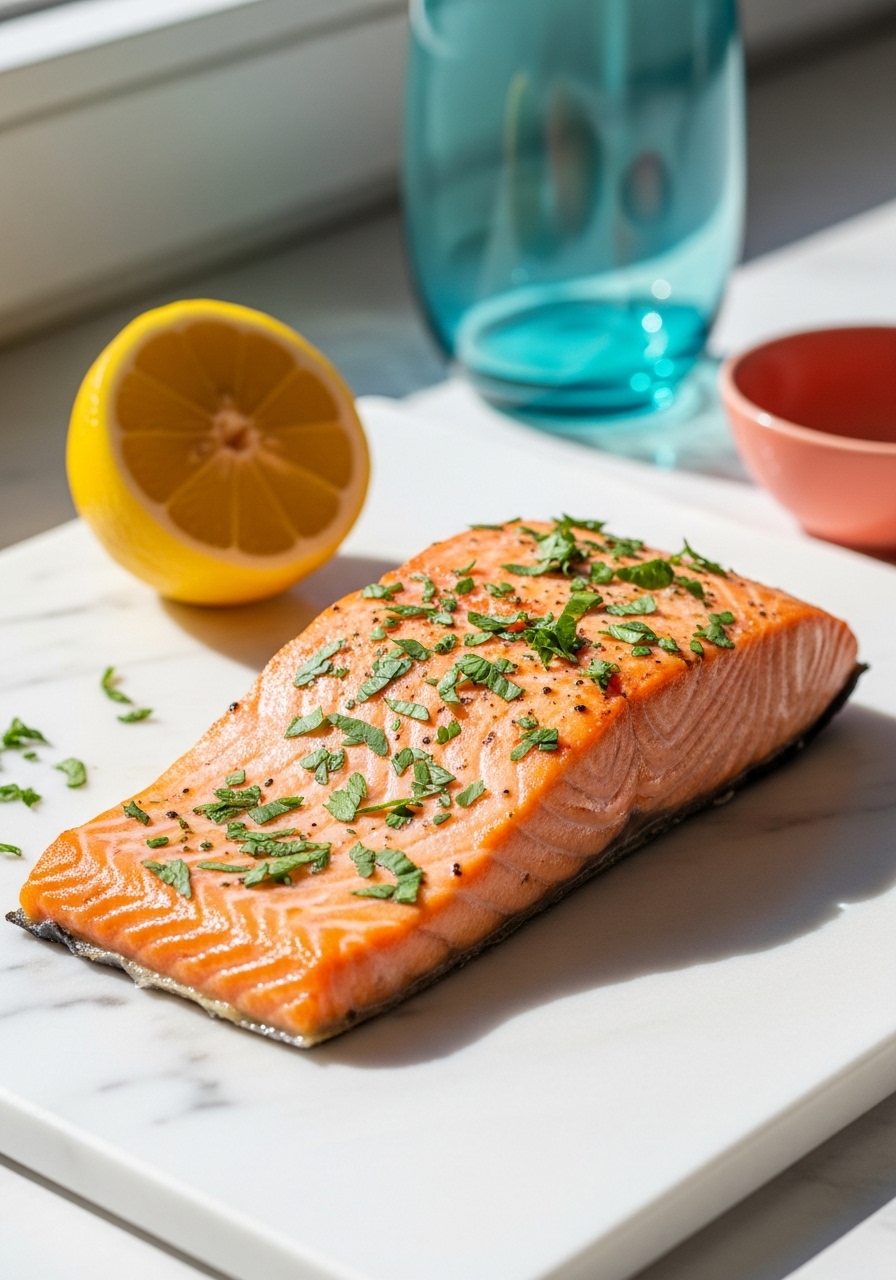
Finish simply to keep texture and flavor front and center. Rest salmon 2–3 minutes before serving so juices redistribute.
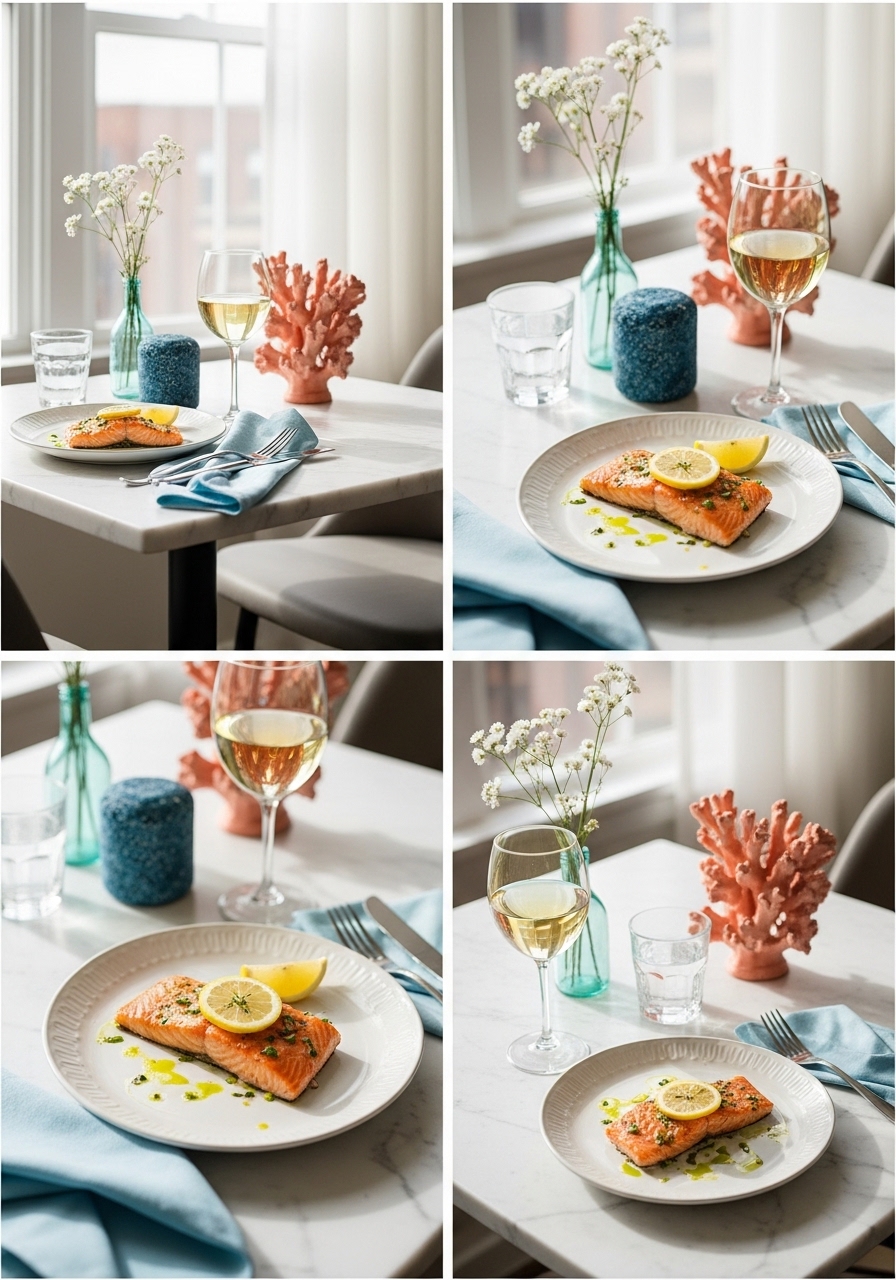
- Garnish with lemon slices, chopped herbs, or a drizzle of high-quality olive oil.
- Leftovers store well in an airtight container in the fridge for up to 3 days.
- Reheat gently in a 275°F oven for 10 minutes to avoid drying out.
Serving ideas:
- Flake over a salad, tuck into grain bowls, or serve with roasted veggies.
- Use a flexible fish spatula to lift fillets cleanly.
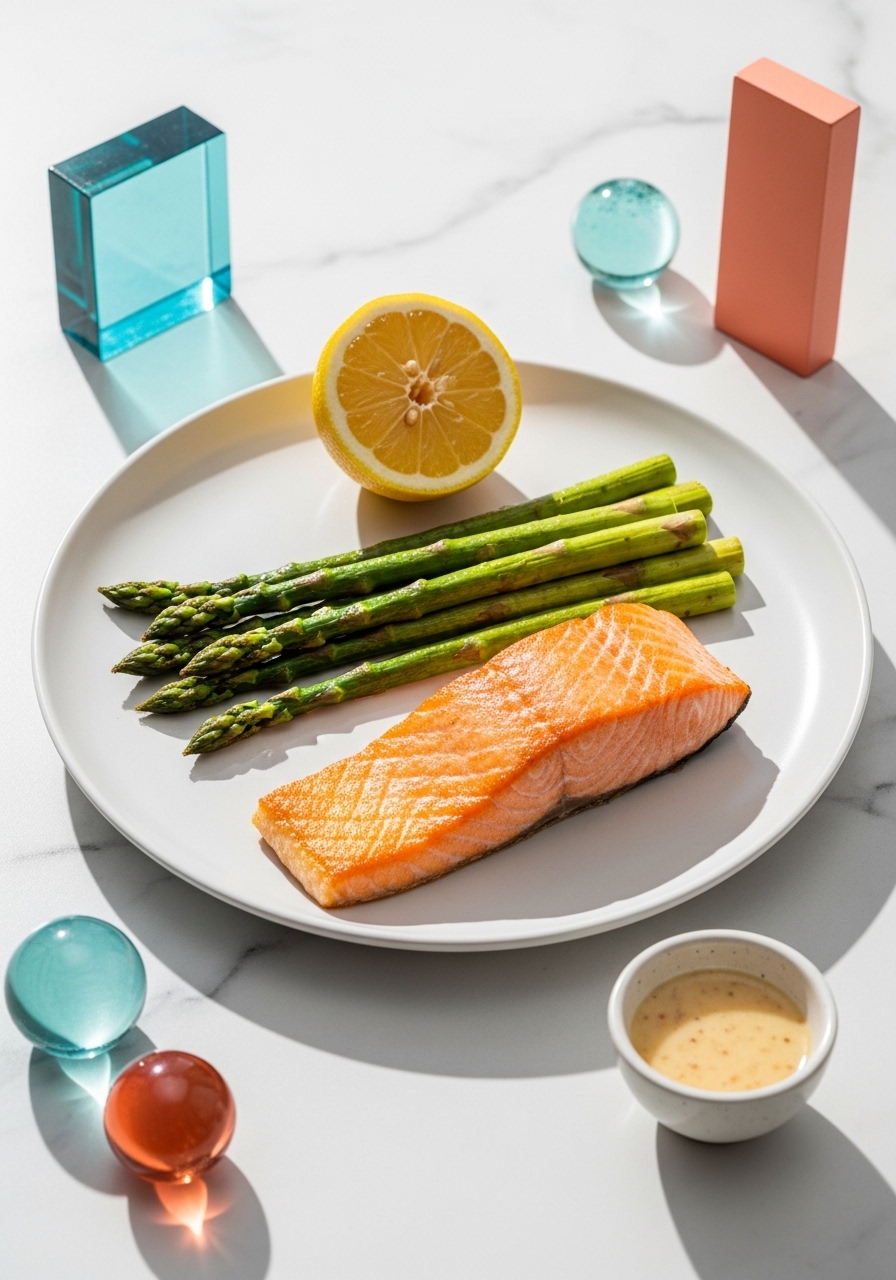
You’ve just learned how to bake salmon perfectly every single time: prep with consistent portions, season simply, bake to a measured temperature, and rest before serving. Save this guide and pin it for dinner night—grab a reliable instant-read thermometer if you don’t have one yet; it’s the tool that helps you nail doneness. Which seasoning will you try first? Pin this guide and share with friends who love easy weeknight dinners.
Leave a Reply