There’s nothing more heartbreaking than pulling a beautiful cheesecake out of the oven… only to see a giant crack running through the center. You followed the recipe, measured carefully, and waited patiently. So what went wrong? The truth is, cracking has less to do with bad luck and more to do with technique. Once you understand what causes cracks, baking a smooth, creamy cheesecake becomes totally achievable, even for beginners.
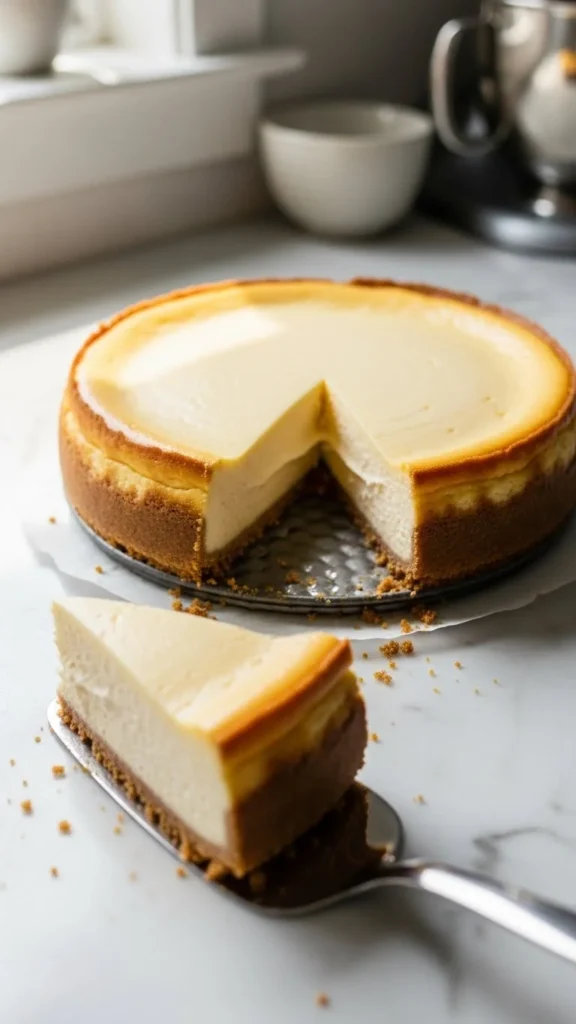
1 [Image Prompt] A smooth, creamy cheesecake on a kitchen counter with a perfectly flat top, soft natural light highlighting its silky texture.
Let’s walk through the exact steps and tips you need to bake a cheesecake that looks just as good as it tastes.
Why Cheesecakes Crack in the First Place
Cheesecake cracks for one main reason: stress. When the batter heats, cools, or dries out too quickly, the surface can’t stretch and splits open.
The most common causes include:
- Overmixing the batter
- Baking at too high a temperature
- Sudden temperature changes
- Overbaking
- Skipping moisture in the oven
The good news? Every one of these issues is easy to fix.
Start With Room-Temperature Ingredients
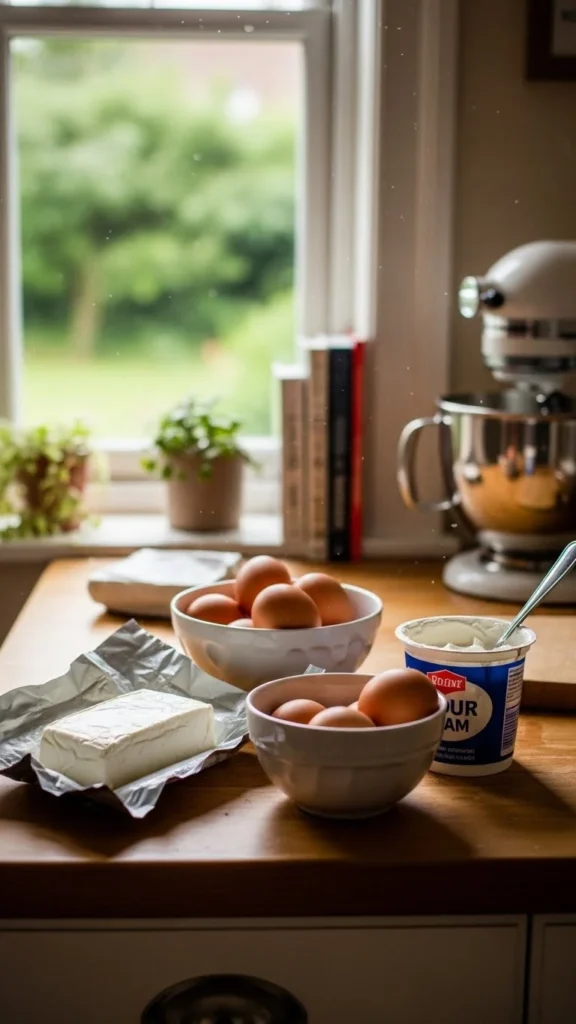
Cold ingredients are one of the biggest culprits behind cracked cheesecake. When ingredients don’t blend smoothly, you end up overmixing to compensate, which adds air to the batter.
Before you begin, let these sit out for about 30–60 minutes:
- Cream cheese
- Eggs
- Sour cream or yogurt
- Heavy cream
Room-temperature ingredients blend effortlessly and create a silky batter with fewer air bubbles.
Mix Gently and Don’t Overdo It
Cheesecake batter is not like cake batter. You’re not trying to whip in air.
Mixing tips:
- Beat cream cheese just until smooth
- Add sugar and mix gently
- Add eggs one at a time on low speed
- Stop mixing as soon as everything is combined
Too much air causes the cheesecake to puff up in the oven and collapse as it cools, which leads to cracks.
Use a Water Bath (Yes, It’s Worth It)
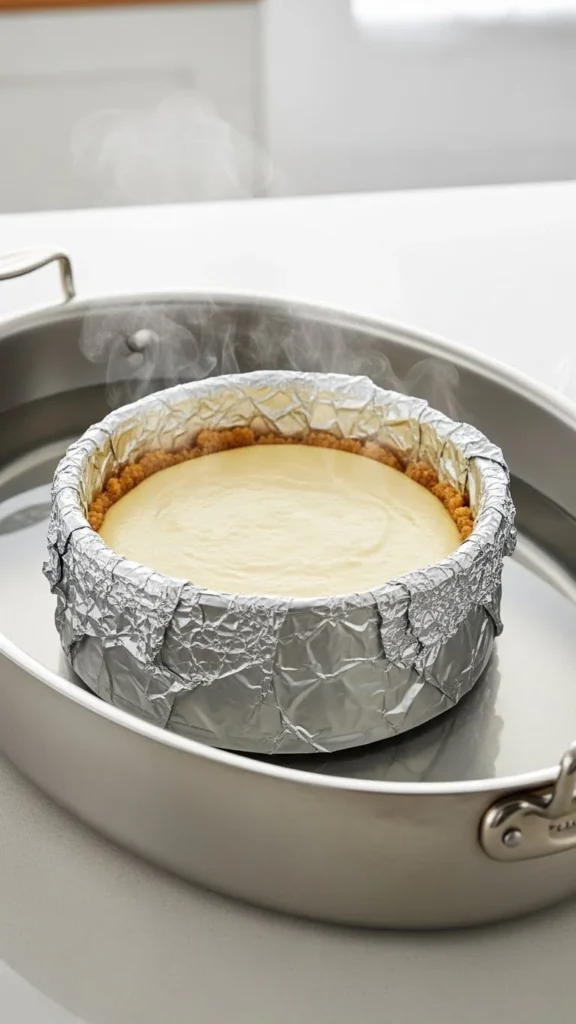
A water bath, also known as a bain-marie, is one of the best ways to prevent cracks. It keeps the oven environment moist and helps the cheesecake bake evenly.
How to do it:
- Wrap the outside of your springform pan tightly with foil.
- Place it in a larger roasting pan.
- Pour hot water into the roasting pan until it reaches halfway up the sides.
This gentle heat prevents the edges from baking faster than the center.
Bake Low and Slow
High heat is the enemy of cheesecake. A low, steady temperature allows the cheesecake to cook evenly without drying out.
Ideal baking tips:
- Bake at 300–325°F (150–165°C)
- Place the pan on the center rack
- Avoid opening the oven door frequently
The cheesecake is done when:
- The edges are set
- The center still has a slight jiggle
It will continue to firm up as it cools.
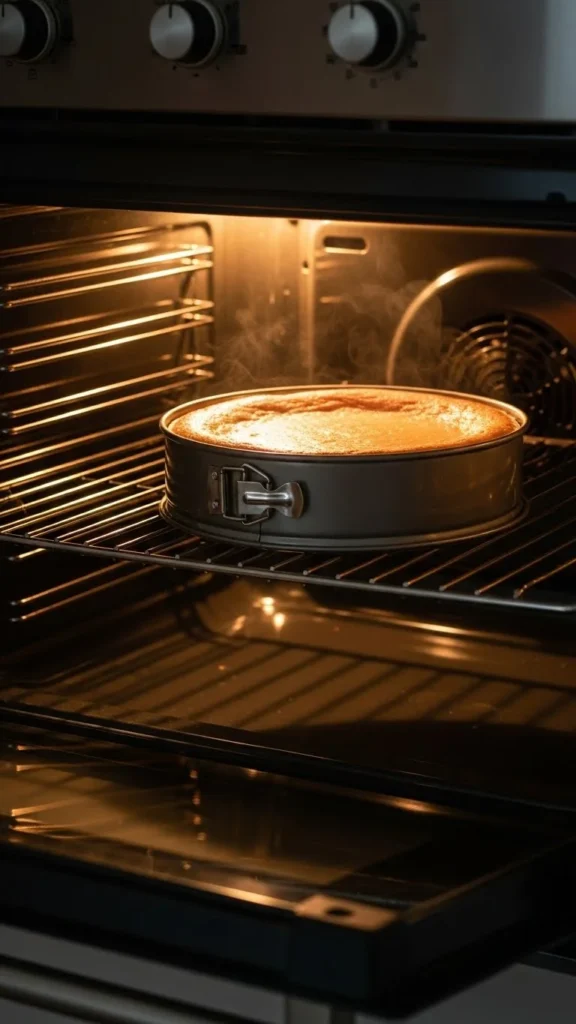
Turn Off the Oven and Let It Rest
This step is often skipped, but it’s crucial.
Once the cheesecake is baked:
- Turn off the oven.
- Crack the oven door open slightly.
- Let the cheesecake rest inside for 30–60 minutes.
This gradual cooling prevents sudden temperature changes that cause cracking.
Cool Completely Before Refrigerating
After the oven rest:
- Remove the cheesecake and let it cool at room temperature
- Do not rush it into the fridge
Once fully cooled:
- Cover loosely
- Refrigerate for at least 4 hours, preferably overnight
This slow cooling process helps the cheesecake set smoothly and evenly.
Extra Tips for a Perfect, Crack-Free Cheesecake
Keep these bonus tips in mind:
- Lightly grease the pan sides so the cheesecake can release as it cools
- Run a thin knife around the edge after baking
- Avoid overbaking, even if the center looks soft
- Use full-fat cream cheese for best texture
And remember, even cracked cheesecake still tastes amazing. But with these steps, cracks will be the exception, not the rule.
What If It Still Cracks?
If a crack sneaks in anyway, don’t panic. Cheesecake is very forgiving.
Easy fixes:
- Add a sour cream topping
- Cover with fresh berries
- Drizzle with chocolate or caramel sauce
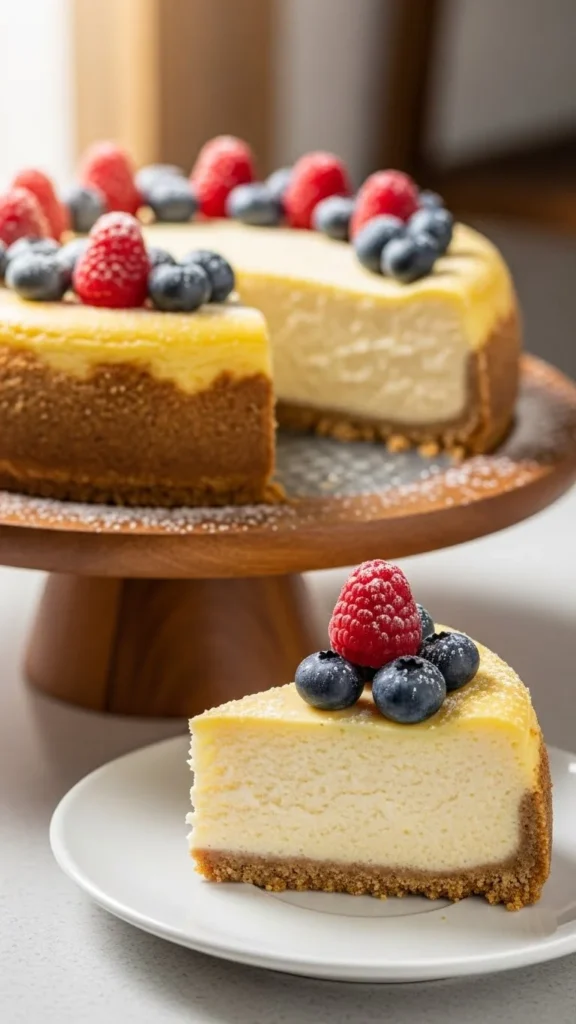
Final Takeaway
Baking a cheesecake that doesn’t crack isn’t about perfection, it’s about patience and gentle handling. Room-temperature ingredients, slow mixing, a water bath, low heat, and gradual cooling are the secrets to that smooth, flawless finish.
Save this guide for later, pin it to your dessert board, and the next time you bake a cheesecake, you’ll pull it out crack-free and confident 🍰✨
Leave a Reply