There’s a moment every home baker chases: pulling a tray out of the oven to find cookies with edges the color of caramel and centers so soft they’re nearly molten. That contrast crisp on the outside, chewy on the inside is what separates a good chocolate chip cookie from an unforgettable one. The good news? You don’t need a culinary degree to get there. You just need the right ratios, the right temperature, and a few tricks that bakeries don’t always share.
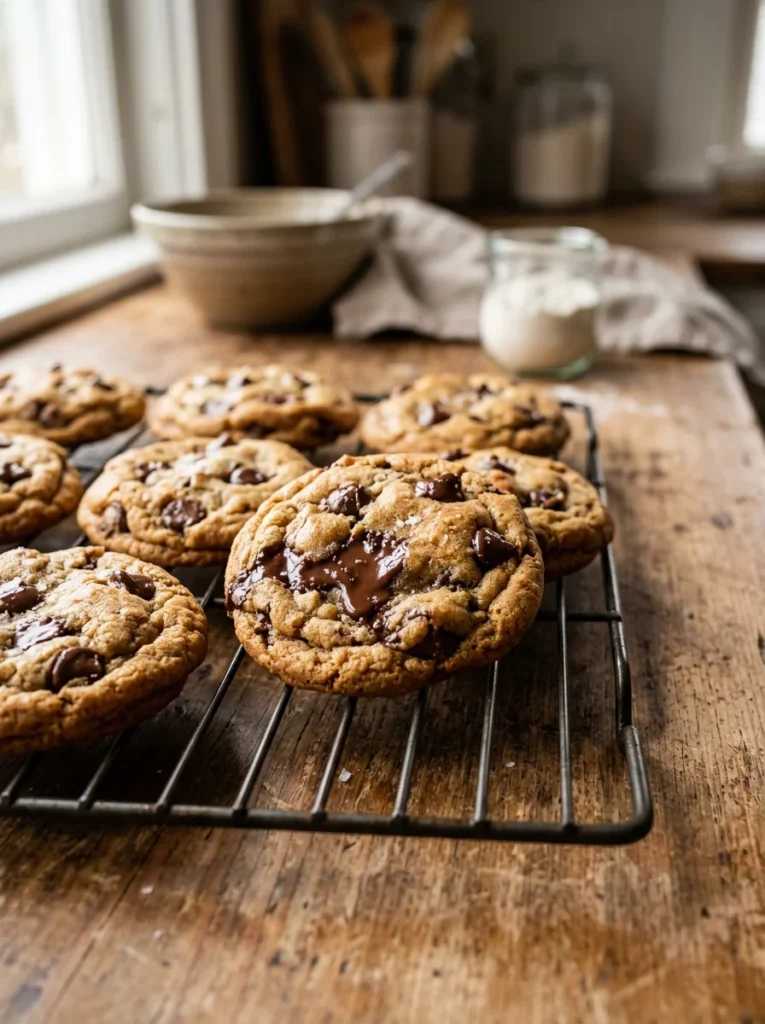
By the end of this guide, you’ll know exactly why your cookies sometimes spread too thin, why they sometimes turn out cakey, and what small changes fix both problems for good.
Why Texture Comes Down to Science, Not Luck
Cookie texture isn’t random. It’s chemistry.
- Butter temperature controls spread. Softened butter spreads more than melted or cold butter.
- Sugar ratio controls chewiness. More brown sugar means more moisture and a softer bite.
- Flour amount controls structure. Too little, and cookies turn into puddles. Too much, and they turn dry.
- Oven temperature controls the edge-to-center contrast. A slightly hotter oven sets the edges fast while the center stays soft.
Once you understand these four levers, you can troubleshoot almost any cookie problem.
Step 1: Pick the Right Butter and Sugar Combo
For that golden, chewy result, you want a sugar ratio that leans toward brown sugar rather than white sugar. Brown sugar contains molasses, which adds moisture and a deeper flavor.
A reliable starting ratio:
- ¾ cup brown sugar
- ¼ cup granulated sugar
- 1 cup softened (not melted) butter
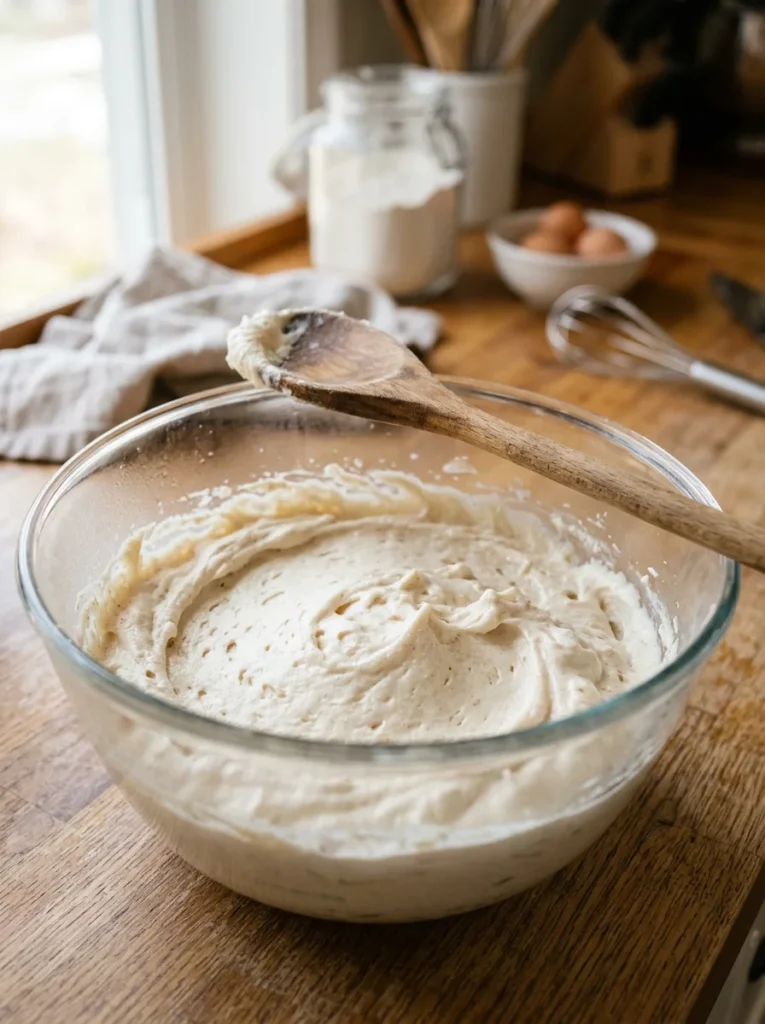
Cream the butter and sugar together until the mixture turns pale and fluffy, about 2–3 minutes. This step traps air, which helps the cookies hold a little height instead of collapsing flat.
Step 2: Don’t Skip the Chill
This is the step most people skip and the one that makes the biggest difference.
Chilling your dough for at least 30 minutes (ideally 1–2 hours) does three things:
- Solidifies the butter again, so cookies spread slower in the oven
- Gives the flour time to hydrate, improving texture
- Deepens flavor as the dough rests
If you’re short on time, even 20 minutes in the freezer helps. Skipping this step is the number one reason cookies turn out flat and greasy instead of thick and chewy.
Step 3: Shape Them Tall, Not Flat
How you shape the dough matters more than people expect.
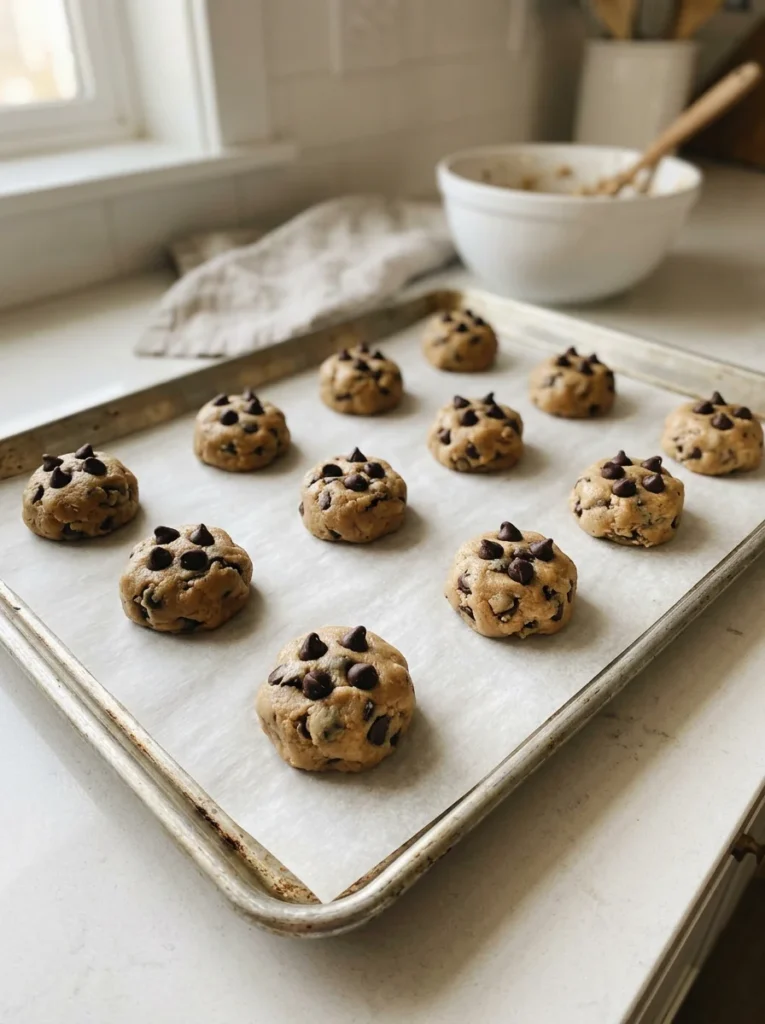
- Roll the dough into a tall ball rather than flattening it.
- Pull a few extra chocolate chips off the inside and press them into the top. This is the trick behind those picture-perfect bakery cookies.
- Space dough balls at least 2 inches apart, since they will spread.
Tall dough balls bake into cookies with thick, chewy centers instead of thin, crispy ones.
Step 4: Bake Hot and Fast
For golden edges and a soft center, temperature and timing work together.
- Preheat the oven to 375°F (190°C).
- Bake for 9–11 minutes, depending on cookie size.
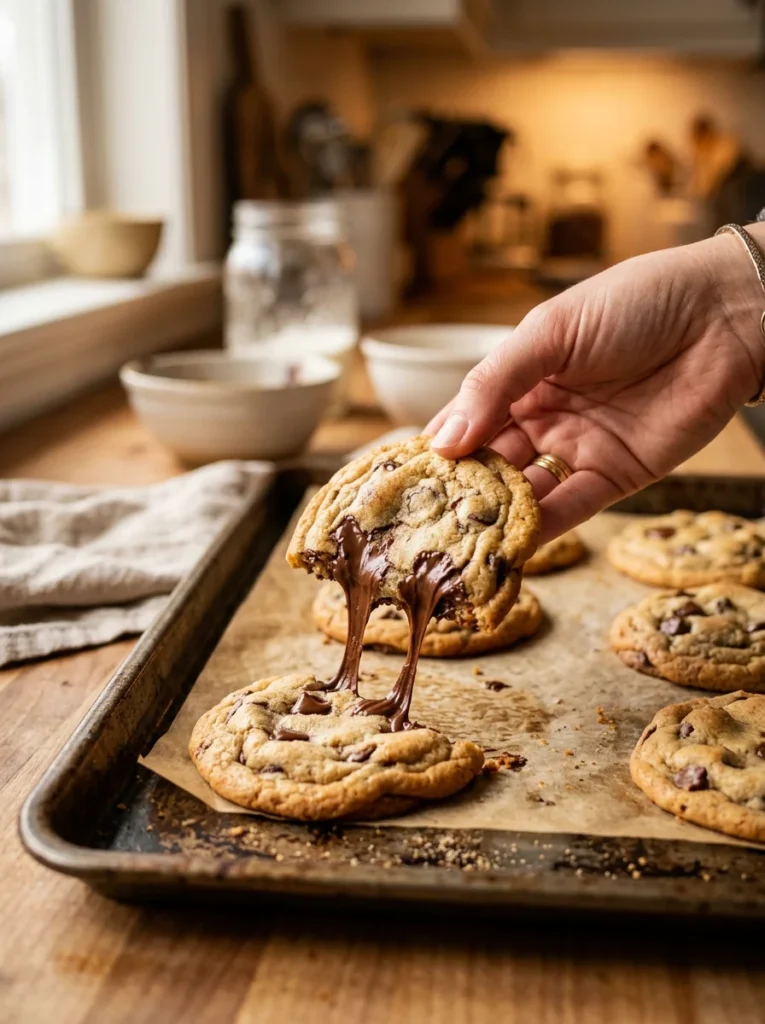
- Pull them out when the edges look set and golden but the centers still look slightly underdone and shiny.
This might feel early, but cookies continue baking on the hot tray after you remove them. This carryover baking is what locks in that soft, chewy middle.
A simple test: if the center looks slightly puffed and pale, it’s ready. If it looks fully flat and matte, it’s gone too far.
Step 5: Let Them Rest Before Moving Them
Leave the cookies on the baking sheet for 5 minutes after pulling them from the oven. This short rest allows the structure to firm up just enough so the cookies don’t fall apart when transferred to a cooling rack.
Moving them too early is a common reason cookies break or lose their shape.
Quick Troubleshooting Guide
- Cookies too flat? Chill the dough longer, or use less melted butter.
- Cookies too cakey? Cut back on flour slightly or reduce baking powder.
- Edges not golden enough? Raise oven temperature by 10–15 degrees.
- Centers too dry? Pull cookies out earlier, even if they look underbaked.
The Final Result
When you nail this process, you get cookies with that signature bakery look: deep golden edges, a slightly cracked top, and a center so soft it almost looks underbaked. That’s exactly what you want.
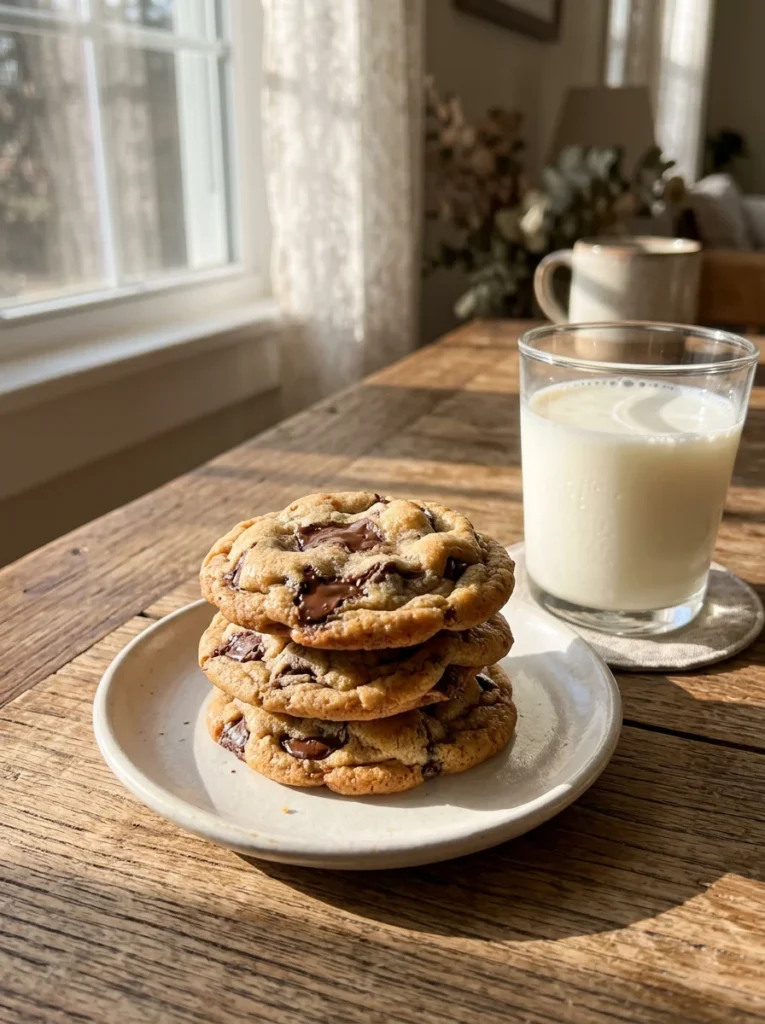
Once you’ve got this method down, you’ll never go back to flat, crunchy cookies again. Save this recipe for later, and the next time a chocolate craving hits, you’ll know exactly how to bake the perfect batch golden, chewy, and gone within minutes.
Leave a Reply