You want high protein smoothies that taste like a treat, not a chalky shake. If you've tried powders that clump or blends that are grainy, you're not alone—many people give up before finding the right mix. This guide shows you how to make high protein smoothies that actually taste good, every time.
The secret is simple: balance protein with fat, fiber, and flavor. A high-speed blender like a high-speed blender and a digital kitchen scale (https://www.amazon.com/s?k=digital+kitchen+scale&tag=recipecamp-20) take the guesswork out of measurements and texture. Those two tools alone will cut trial-and-error in half.
Read on and you'll learn ingredient ratios, blending techniques, texture fixes, and quick swaps so your high protein smoothies taste great—and look pin-worthy.
Preparing Your Ingredients
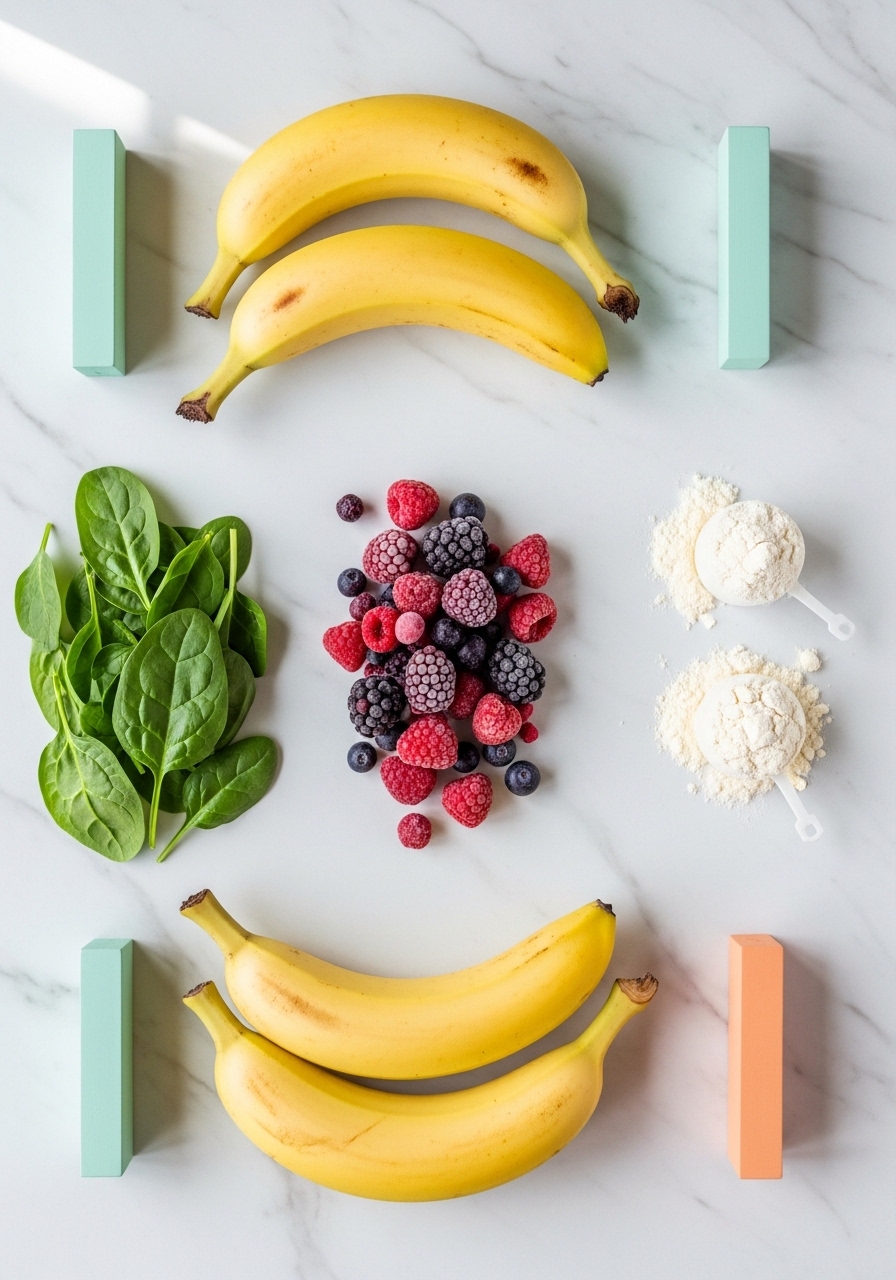
Prep makes or breaks a smoothie. Measure by weight for consistency: use a digital kitchen scale and aim for 20–30g protein per serving. If you don’t have a scale, use these conversions:
- 1 scoop (30g) whey or pea protein ≈ 20–25g protein
- 1/2 cup Greek yogurt = 10–12g protein
Prep steps:
- Weigh your protein and frozen fruit on a scale.
- Portion your fats (1–2 tbsp nut butter or 1/4 avocado).
- Prep greens or fresh herbs and freeze in cubes for convenience.
Tip: Freeze ripe bananas in chunks on a baking sheet to avoid watery blends. A set of measuring cups and measuring spoons speeds this up.
Mixing and Balancing Flavors
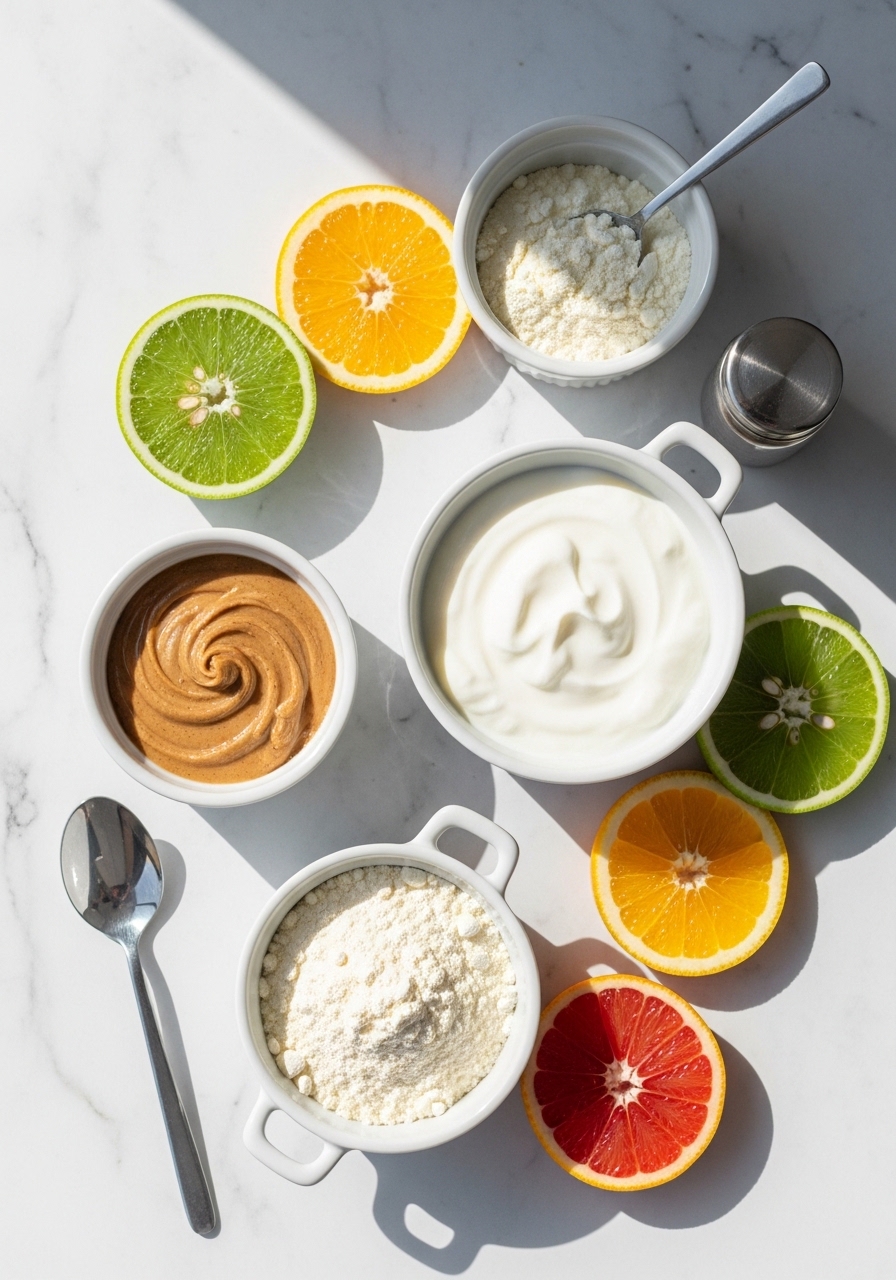
Balancing protein with fat and acid keeps your high protein smoothies from tasting flat. Follow this ratio as your base:
- 1 cup liquid (water, milk, or milk alternative)
- 1 cup frozen fruit
- 1 scoop protein powder
- 1–2 tbsp fat (nut butter, seeds, or avocado)
- Handful of greens (optional) and a squeeze of lemon
Mixing tips:
- Start with liquid and greens, then add powder and frozen items to avoid clumping.
- Use cold liquid so frozen fruit stays thick.
- Add 1 tsp honey or dates if your protein is bitter.
If you have a hand blender, an immersion blender is handy for small single servings, but a full high-speed blender gives the creamiest results.
Getting the Perfect Texture
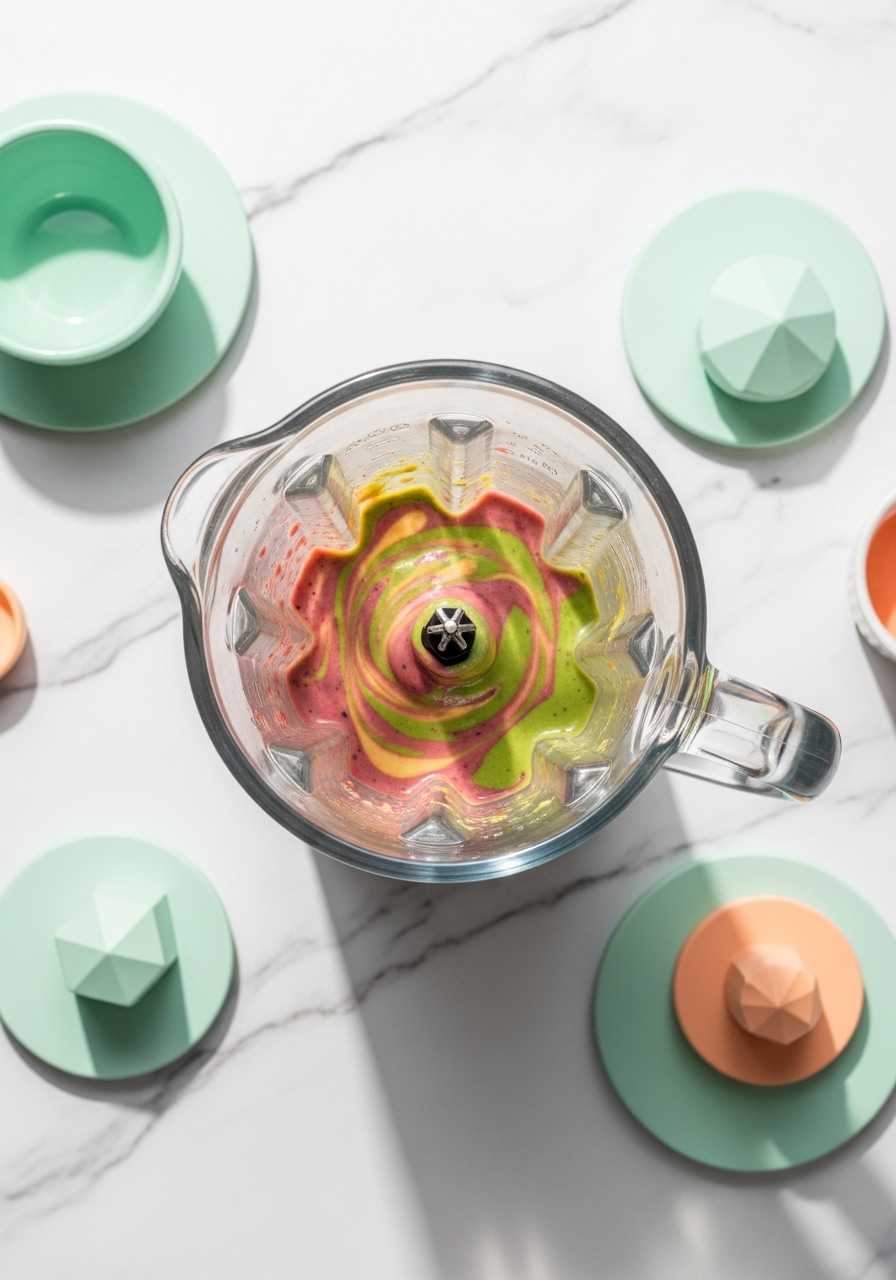
Texture makes people fall in love with a smoothie. If yours is gritty or thin, try these fixes:
- For gritty texture: add 1–2 tbsp oats or a frozen banana and blend 30–60 seconds on high.
- For thin texture: reduce liquid by 1/4 cup or add ice or frozen cauliflower for creaminess without flavor change.
- For overly thick: add liquid in 1–2 tbsp increments.
Blending order:
- Liquid + soft ingredients (yogurt, banana)
- Protein powder + seeds
- Frozen fruit + ice last
Blend until smooth, about 45–60 seconds in a high-speed blender.
A sturdy shaker bottle is great when you're short on texture perfection—shake-and-sip works for thinner blends.
Finishing Touches and Storage
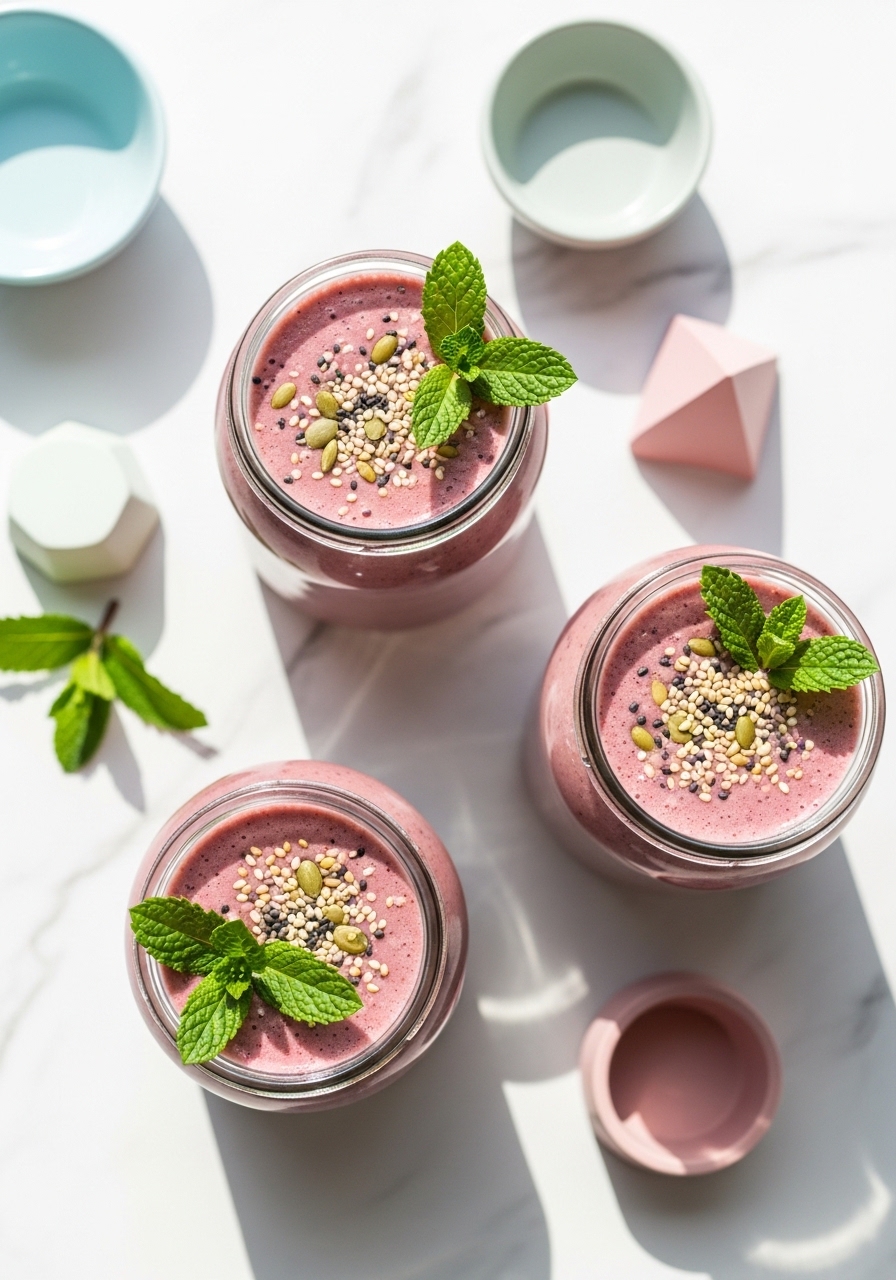
Presentation and storage matter for pinners. Serve in a glass jar with a straw and a sprinkle of chia or cacao nibs. For make-ahead:
- Freeze single-serve smoothie packs in mason jars or freezer bags.
- Thaw in the fridge for 30–60 minutes or blend from frozen with extra liquid.
Storage tips:
- Keep leftovers in glass storage containers up to 24 hours—separate solids tend to settle.
- Use glass meal prep bowls for grab-and-go breakfasts.
If you plan on daily smoothies, store dry powders in an airtight container to maintain freshness.
Enjoy your creamy, balanced results—these techniques ensure your high protein smoothies taste good, look great, and keep you fueled.
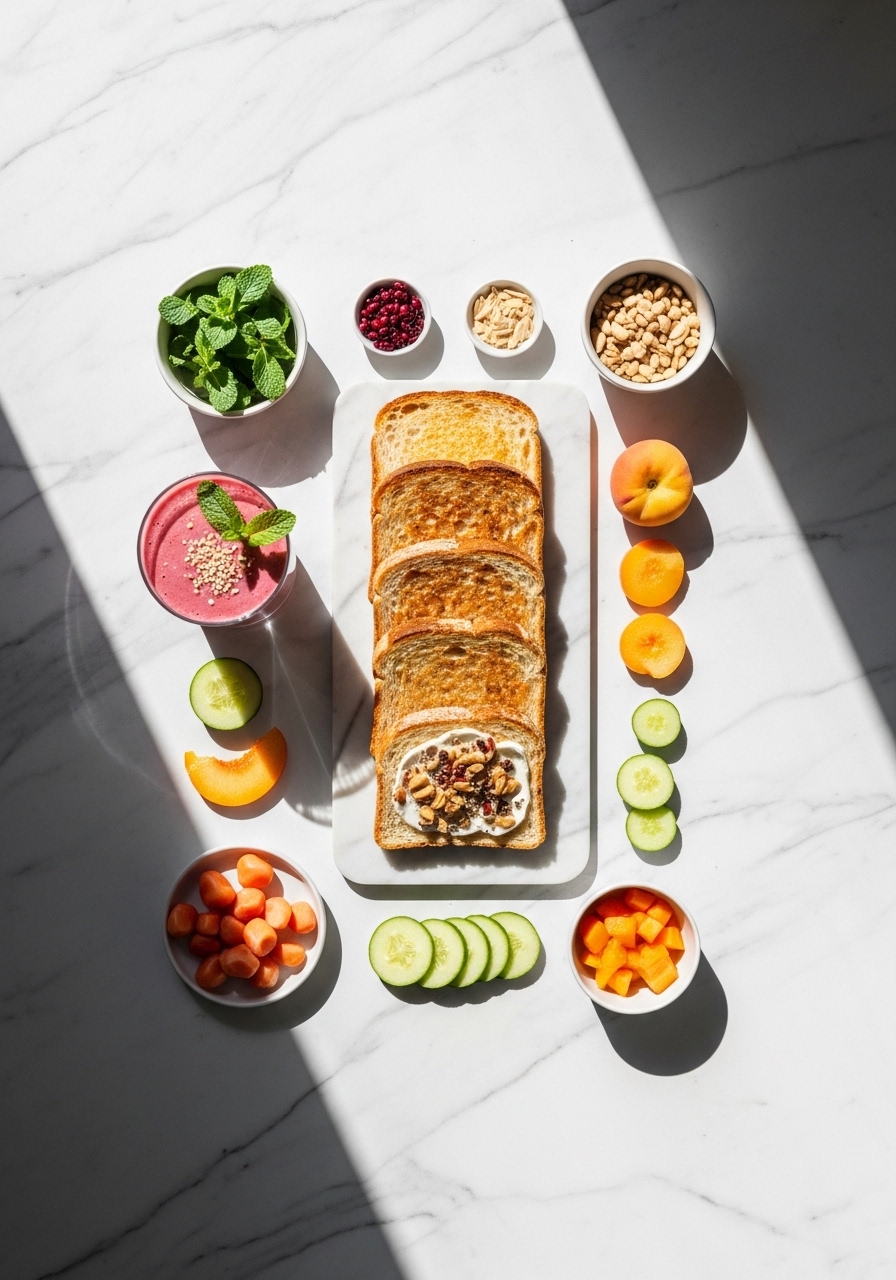
You’ve got the ratios, the texture fixes, and the storage tips—now make a smoothie that actually tastes good. Save this guide, pin it for later, and try the base ratio tomorrow morning. If one tool will change your smoothie game, it’s a reliable high-speed blender. Which flavor combo will you try first? Pin this and share it with a friend who drinks smoothies every day.
Leave a Reply