You want more protein at every meal but not extra calories or bulk. You’ve tried adding cheese or larger portions and ended up with heavier plates. Learning how to increase protein in meals without adding extra calories solves that—so you keep flavor and satiety without the calorie creep.
The secret is smart swaps and concentrated protein additions. Start with a reliable digital kitchen scale for precise portions and a compact immersion blender to fold protein powders or silken tofu into sauces without changing texture.
Read on and you’ll get step-by-step swaps, exact amounts, quick recipes, and storage tips so you can increase protein in meals without adding extra calories starting today.
How to Increase Protein in Meals Without Adding Extra Calories: Prep Your Ingredients
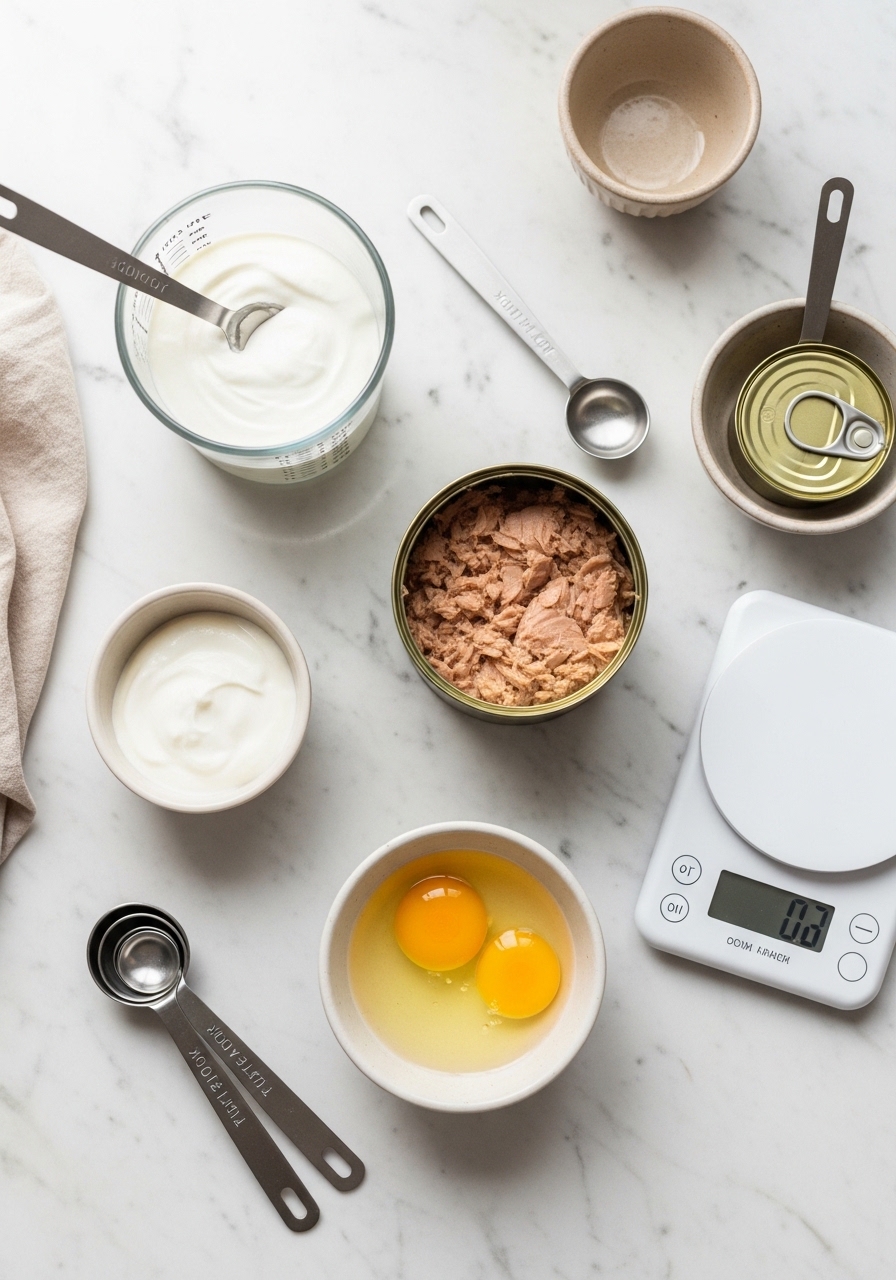
Prep makes this easy. Measure ingredients on a digital kitchen scale so you add protein precisely—no guessing that leads to extra calories. Aim for 15–25 g protein per main component (for example, 3 oz canned tuna ≈ 20 g).
Quick prep steps:
- Weigh proteins: use the scale to portion 3–4 oz servings.
- Divide additions into small prep bowls so you can add without overpouring.
- Label and store in glass storage containers for grab-and-go protein boosts.
Tips:
- Swap whole eggs for egg whites in omelets for protein without yolk calories.
- Keep a tub of nonfat Greek yogurt on hand to mix into dressings or sauces.
Use High-Protein, Low-Calorie Swaps
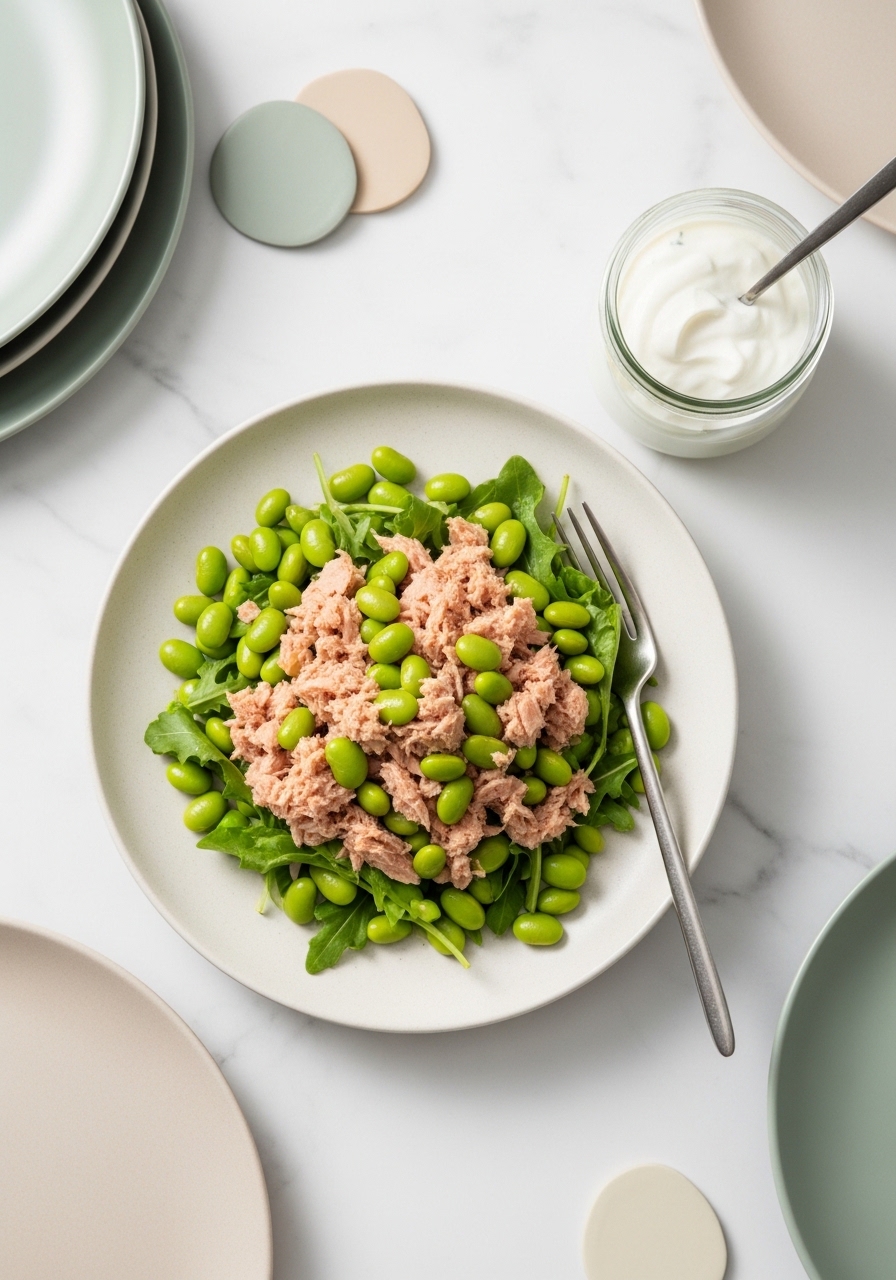
Replace calorie-dense ingredients with compact protein sources that add little to no fat.
Smart swaps:
- Full-fat cheese → crumbled feta (small amount) or nutritional yeast: a tablespoon brings savory notes and a protein bump.
- Rice or pasta → cauliflower rice + edamame: 1/2 cup edamame adds 8–10 g protein.
- Starchy sides → legumes: 1/2 cup lentils ≈ 9 g protein.
Tools that help:
- Chop and pulse tofu or beans smoothly with a food processor to fold into casseroles without changing texture.
- Sear lean cuts on a nonstick or 10-inch cast iron skillet to get flavor without added oil.
Add Protein Without Volume: Powders, Toppings, and Techniques
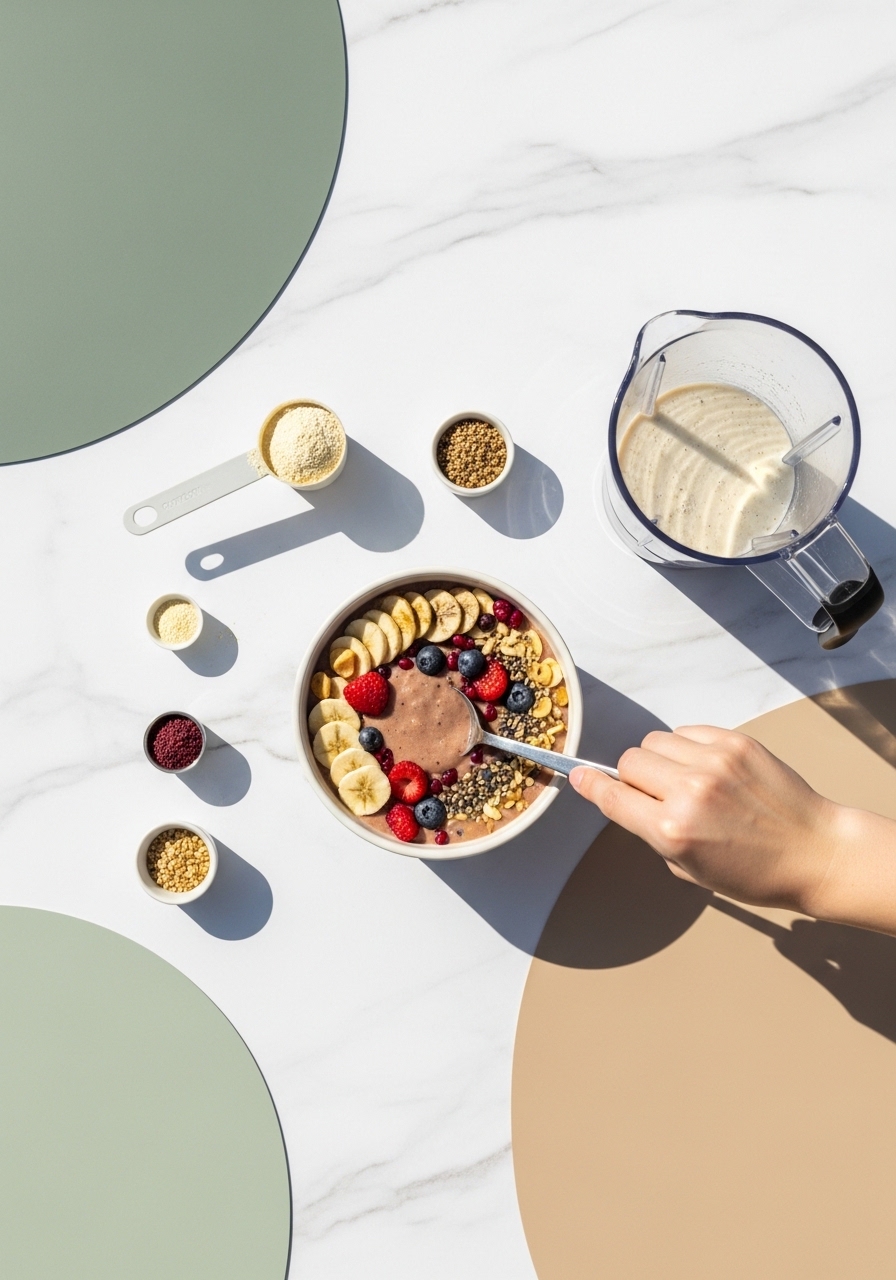
If you don’t want more food volume, add concentrated protein.
Easy tactics:
- Stir 1 scoop (20–25 g) of unflavored whey or plant protein into sauces, soups, or smoothies.
- Sprinkle hemp seeds (2 tbsp ≈ 6–7 g) or chopped nuts sparingly for texture and protein.
- Fold silken tofu into dressings with an immersion blender for creaminess without extra calories.
How to add without changing texture:
- Mix powder into hot liquid first with a silicone whisk to prevent clumps.
- Use an airtight shaker bottle for on-the-go protein drinks.
Keep Texture and Flavor: Cooking, Timing, and Storage
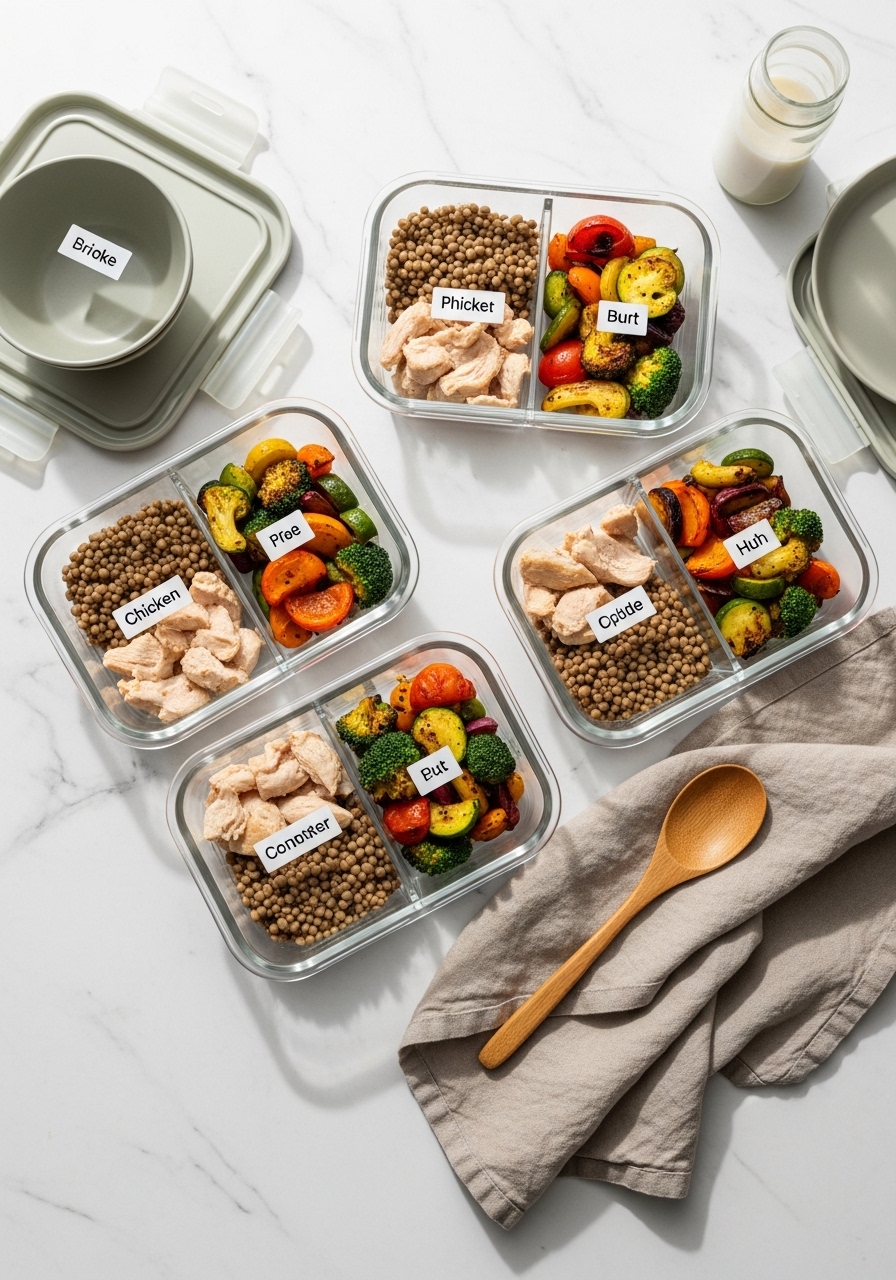
Protein is only useful if meals stay appealing. Cook and store with intention.
Cook and storage tips:
- Roast or grill lean proteins in a non-stick sauté pan using minimal oil spray to keep calories down.
- Cool quickly on a wire cooling rack then portion into glass storage containers.
- Reheat gently to retain texture; use a microwave-safe lid to trap steam.
Common mistakes to avoid:
- Adding sweetened protein powders—choose unflavored or plain to avoid hidden calories.
- Over-saucing; measure dressings with a tablespoon and mix with yogurt or vinegar.
Mix-and-match ideas:
- Greek yogurt + smoked paprika + lemon = creamy, high-protein dressing.
- Pureed white beans + garlic = a flavor-packed binder that adds protein to burgers.
Once you practice these small swaps and techniques, increasing protein in meals without adding extra calories will feel routine. Save this guide, pin the visuals, and try one swap per meal this week—then tell me which gave you the biggest boost.
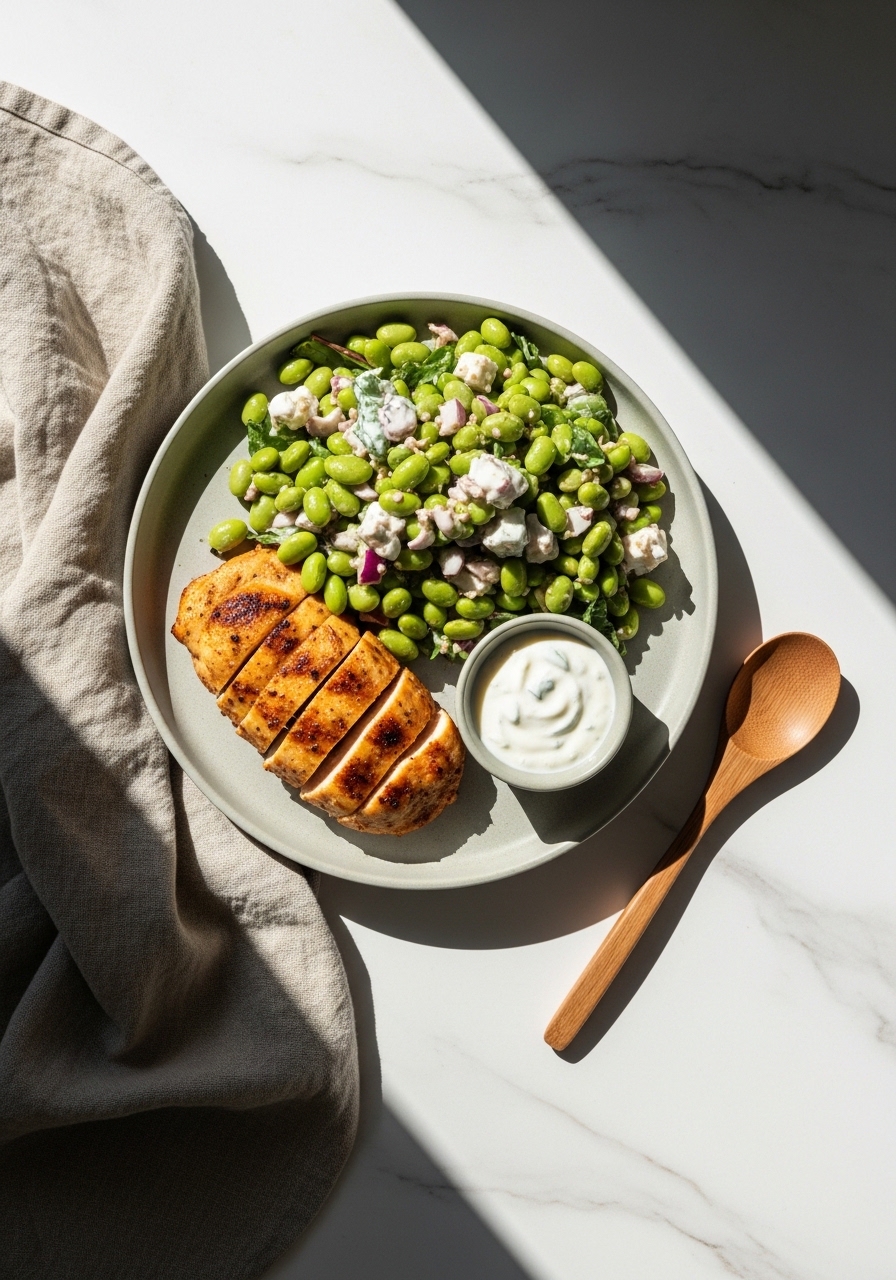
You’ve learned several clear, usable ways to increase protein in meals without adding extra calories—measure with a digital kitchen scale, blend with an immersion blender, and store in glass containers for quick meals. Pin this guide for later and try one tip at breakfast tomorrow—which swap will you try first?
Leave a Reply