You’re ready to start a low carb diet but don’t know where to begin — and the grocery aisle feels overwhelming. You’re not alone: many beginners stall because they try to change everything at once. This guide shows you how to start a low carb diet the right way for beginners with simple steps you can do today.
The secret is a few reliable tools and a plan. A digital kitchen scale keeps portions honest and a 10-inch cast iron skillet gives you fast, flavorful meals with minimal fuss. Follow these practical steps and you’ll feel confident choosing, cooking, and storing low carb food.
You’ll learn how to set up your kitchen, plan meals and macros, cook basic recipes, and keep results consistent. Each section has quick wins, product tips, and common mistakes so you can start a low carb diet without guesswork.
Prepare Your Kitchen and Mindset
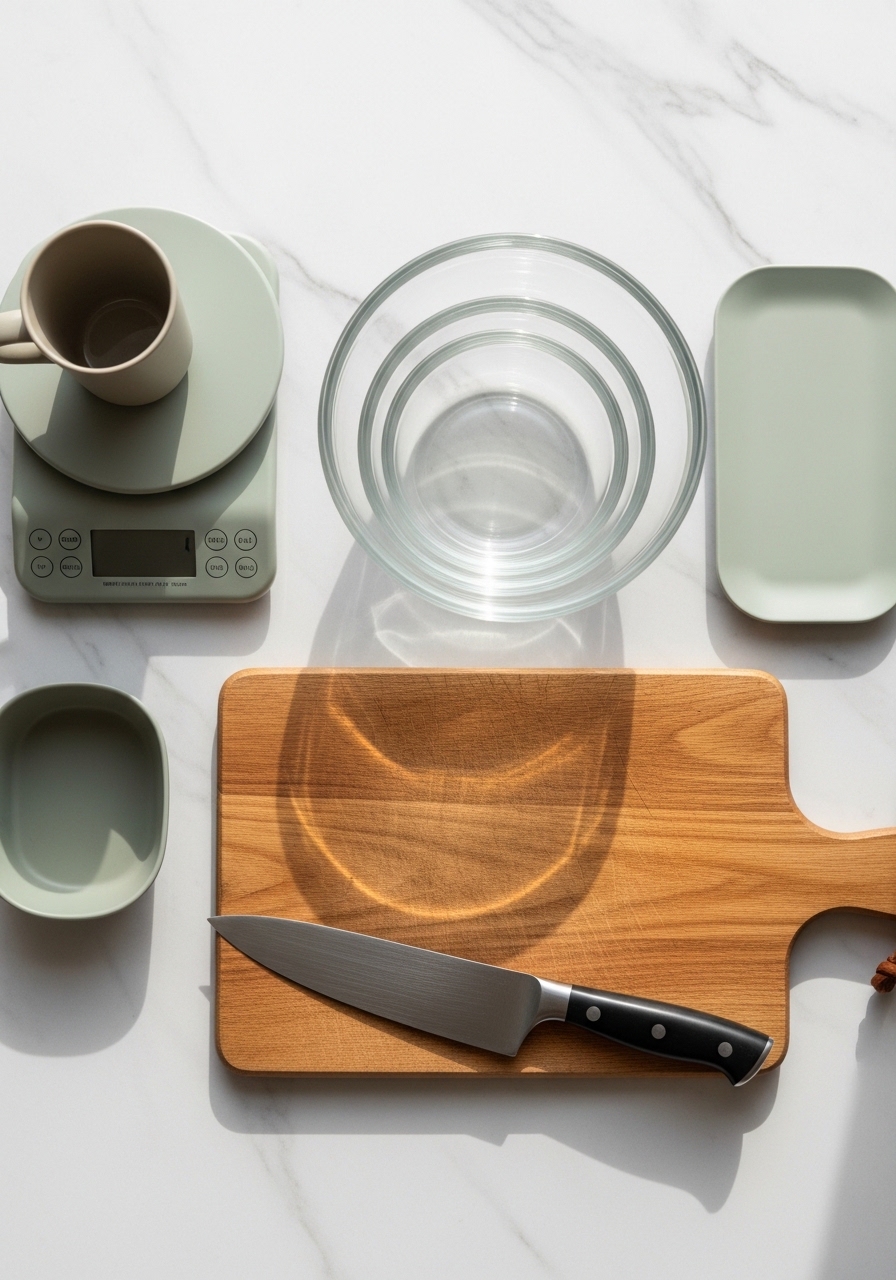
Start small: clear one shelf, designate a prep area, and decide which meals you’ll focus on first. When you start a low carb diet, having a routine shortens decision time and prevents impulse carbs.
- Keep bowls and lids ready: use glass meal prep bowls to portion proteins and veggies.
- Invest in a sturdy cutting board and a sharp knife for quick weekday prep: a good cutting board makes chopping faster and safer.
- Mindset tip: pick three go-to breakfasts and three dinners for the first two weeks.
Plan Meals, Track Carbs, and Set Simple Macros
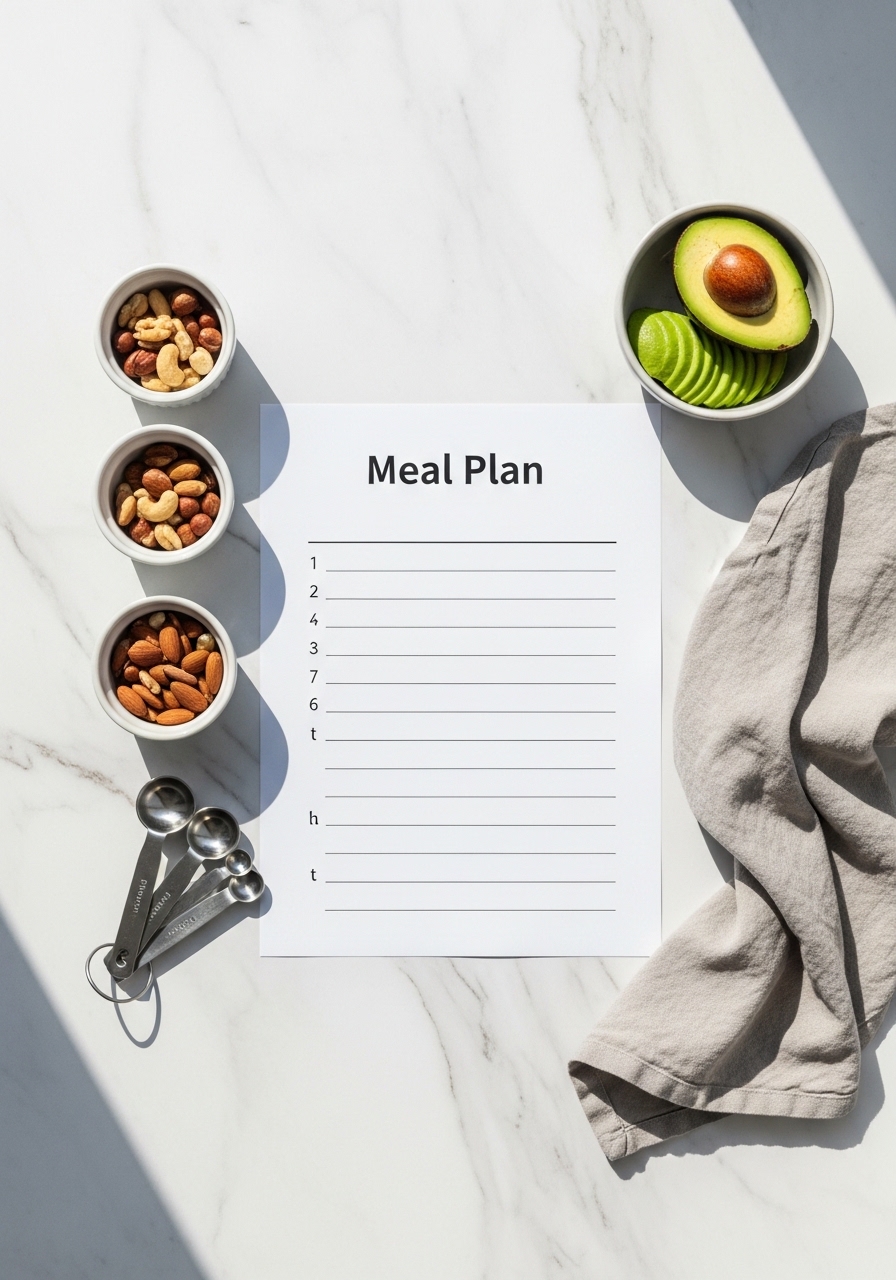
When you start a low carb diet, tracking helps you learn what fits your goals. Keep numbers simple: aim for higher protein and healthy fats, and modest vegetables.
- Use a measuring cups and spoons set for portion practice.
- Weigh portions with your digital kitchen scale for the first two weeks.
- Quick macro plan: Protein 25–30%, Fat 50–60%, Carbs 10–20% (adjust to how you feel).
- Record what you eat in a simple notes app or a journal.
Numbered steps:
- Pick a target carb limit (e.g., 20–50g net carbs/day).
- Plan three meals and one snack around protein + veg + fat.
- Swap rice/pasta for cauliflower rice or spiralized zucchini.
Learn Basic Low-Carb Cooking Techniques
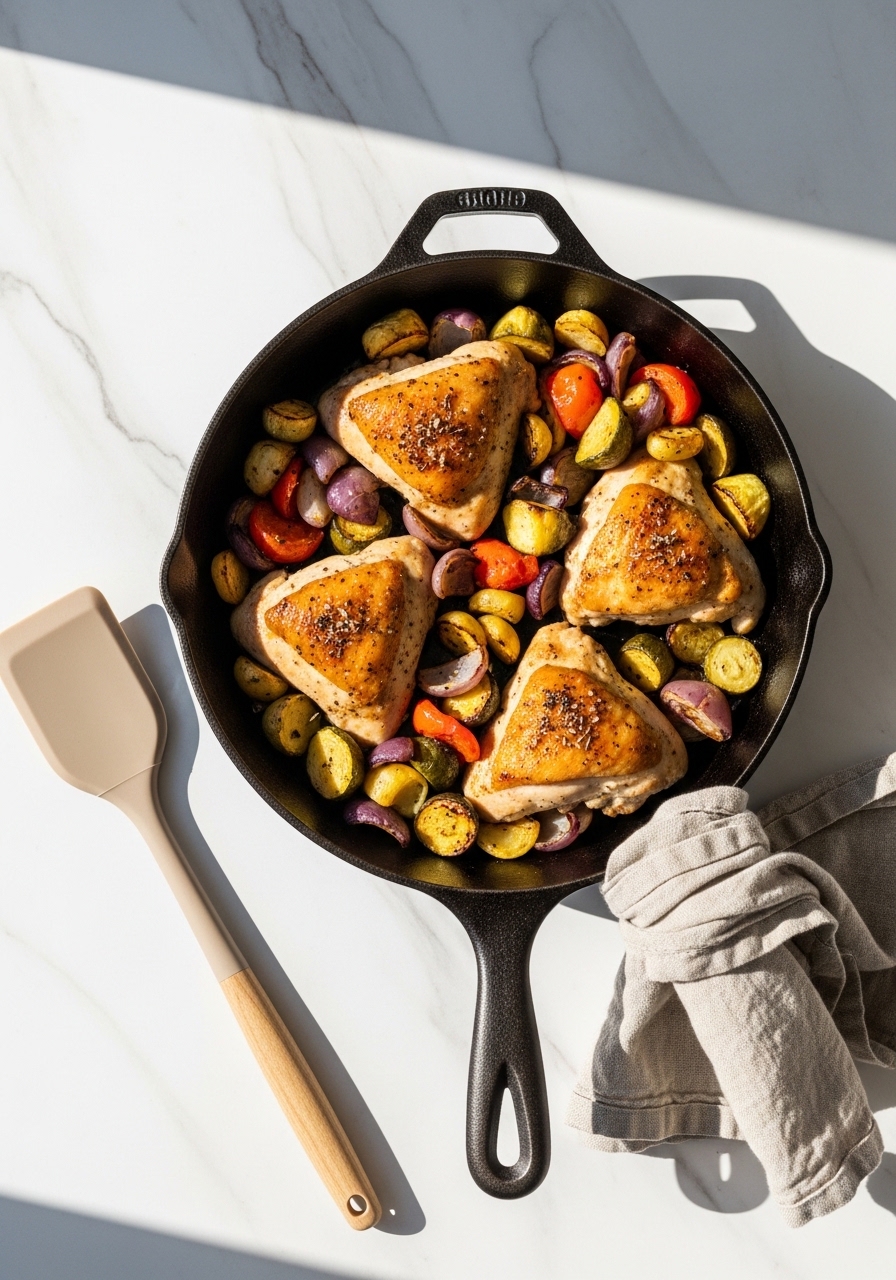
Cooking low carb is mostly simple swaps and smart techniques. When you start a low carb diet, choose quick methods like roasting, pan-searing, and one-pan meals.
- Sear and finish in a heavy pan: a 10-inch cast iron skillet retains heat and adds flavor.
- Flip and stir with a silicone spatula to avoid scratching pans.
- Time guide: Pan-sear chicken breasts 4–5 minutes per side, roast vegetables at 425°F for 15–20 minutes.
- Pro tip: use a non-stick sauté pan for eggs and quick stir-fries.
Common mistakes to avoid:
- Overcrowding the pan (crowding steams food).
- Skipping seasoning — salt and acid (lemon or vinegar) brighten low-carb dishes.
Store, Reheat, and Track Progress
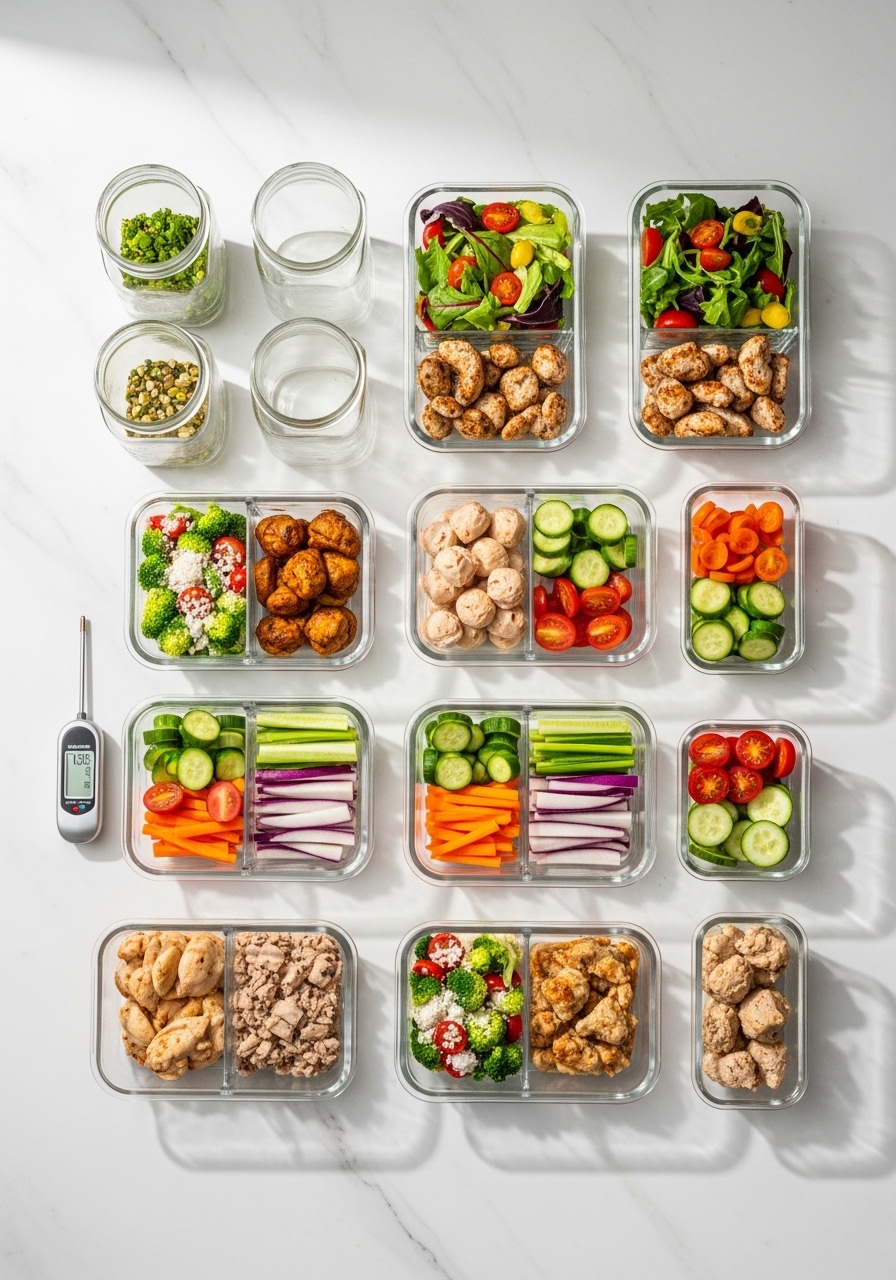
Good storage keeps you on track. When you start a low carb diet, having grab-and-go meals prevents last-minute carb choices.
- Use glass storage containers for visible, fridge-ready meals.
- Check doneness with an instant-read thermometer — chicken should hit 165°F.
- Label meals with dates; eat within 3–4 days or freeze portions in airtight containers.
- Quick reheat tip: reheat on the stove or in a skillet for best texture; microwaving can make veggies soggy.
You’ll notice energy changes in a week or two; adjust carbs and protein if you feel low on energy.
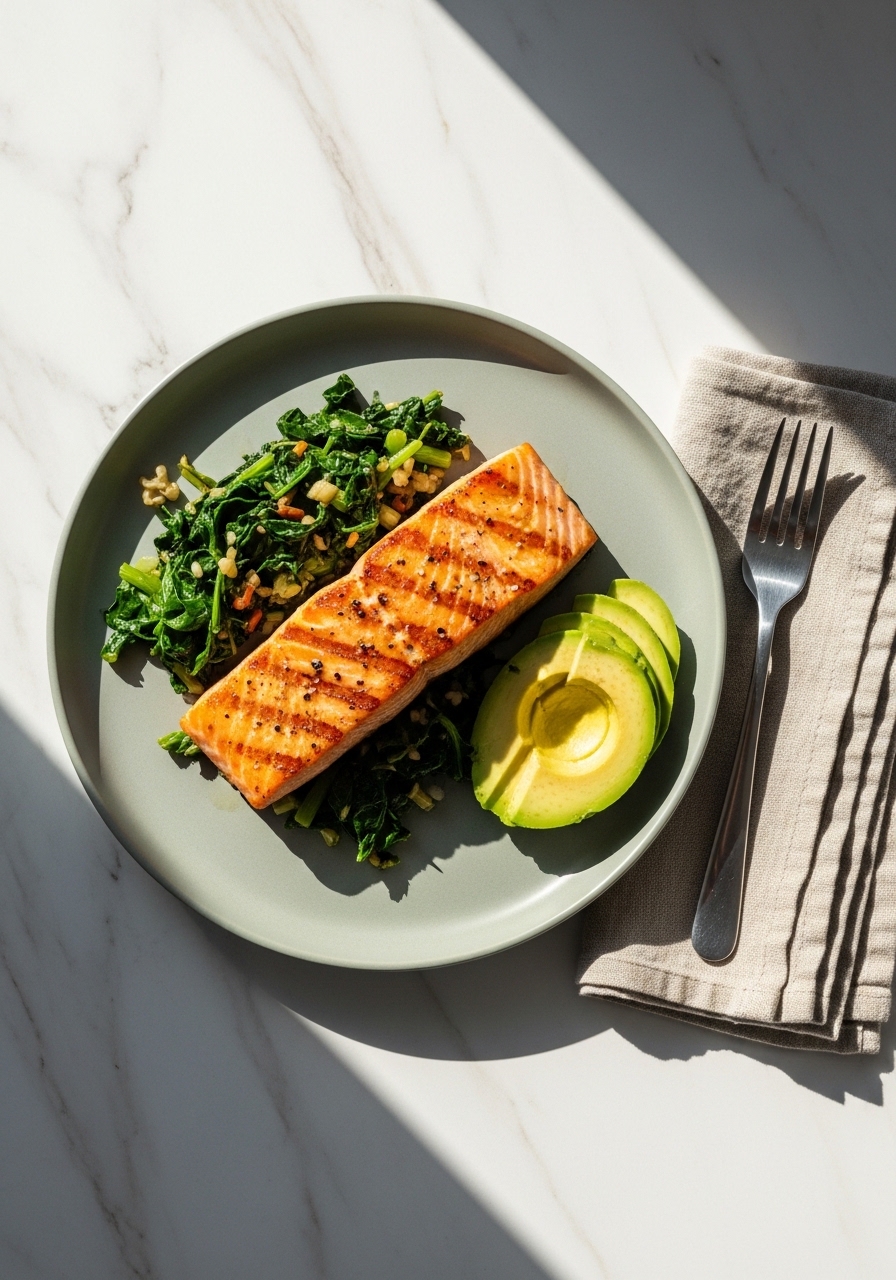
You’ve got practical steps to start a low carb diet that fit a busy life: set up your space, plan simple meals, learn a few cooking moves, and store meals smartly. Save this guide and try one full low-carb day using the tools above — a digital kitchen thermometer can keep your proteins perfect. Pin this guide for when you’re ready to meal prep, and tell me — which swap will you try first?
Leave a Reply