Struggling to figure out how to calculate macros for keto without confusion? You’re not alone. Lots of people get lost juggling calories, grams, and percentages and end up guessing what to eat. This guide cuts through the fog so you can set clear macro targets and stick to them without overwhelm.
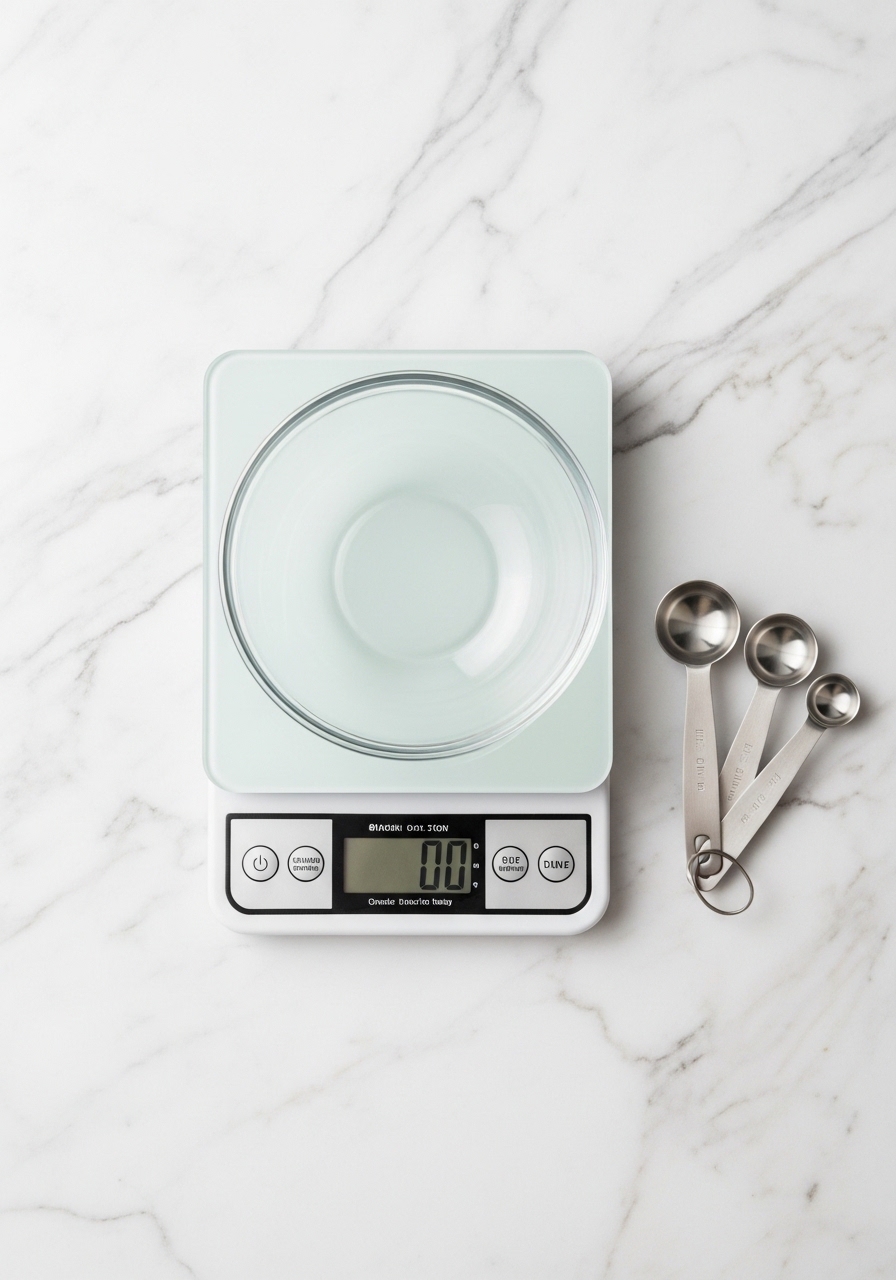
The secret tools that make it simple are a reliable digital kitchen scale and a set of glass meal prep bowls. They keep portions consistent and make tracking fast. Follow these steps and you’ll learn how to calculate macros for keto without confusion, then track progress and adjust with confidence.
You’ll learn how to set your baseline calories, convert calories into grams of fat/protein/carbs, track daily food, and troubleshoot common mistakes. Each step includes quick tips, exact numbers, and tools that will save time.
Get your baseline calories and macronutrient targets

Start by estimating your daily calorie goal based on activity and goals. For most keto dieters this ranges from 1,200–2,200 calories depending on weight and activity. Use a TDEE calculator online, then choose a calorie target for fat loss or maintenance.
- Typical keto macro split: 70–75% fat, 20–25% protein, 5–10% carbs.
- Example: If your goal is 1,800 calories, fat = 0.75 × 1,800 = 1,350 kcal, protein = 0.20 × 1,800 = 360 kcal, carbs = 0.05 × 1,800 = 90 kcal.
Tip: Record these numbers in a notebook or app. A simple kitchen scale like this kitchen+scale helps you check portions while calculating.
Convert calories into grams — simple math you can follow
Calories convert to grams with fixed values: fat = 9 kcal/g, protein = 4 kcal/g, carbs = 4 kcal/g. Turn your calorie numbers into grams:
- Divide fat calories by 9. Example: 1,350 ÷ 9 = 150 g fat.
- Divide protein calories by 4. Example: 360 ÷ 4 = 90 g protein.
- Divide carb calories by 4. Example: 90 ÷ 4 = 22.5 g carbs.
Use a measuring+cups+and+spoons set for liquids and recipes, and confirm portion weights with a food+scale. That way you can match grams to real food servings.
Track food efficiently and adjust based on results
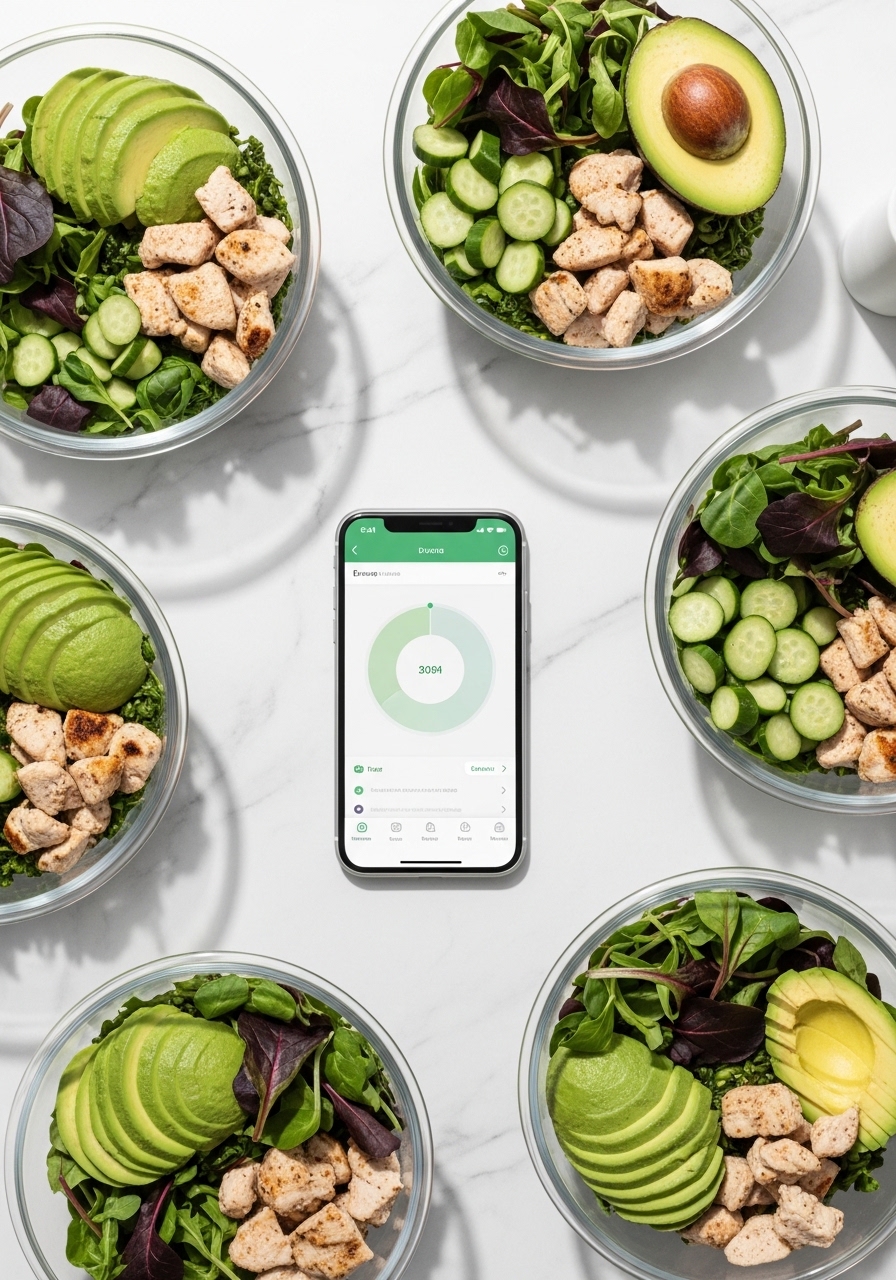
Tracking consistently is how you stop guessing. Aim to log every meal for two weeks, then compare averages to your target macros.
- Quick workflow:
- Weigh protein and fat sources on your scale before cooking.
- Log items in a tracker app or spreadsheet.
- Adjust portions if weekly weight or measurements stall.
Prep ahead in glass+storage+containers so logging is faster. For batch cooking, a food+processor speeds prep, helping you hit protein and fat goals quickly.
Troubleshooting: common mistakes and quick fixes
If your weight isn’t changing or you feel low on energy, check these pitfalls:
- Not weighing cooked vs. raw: weigh consistently. Use the same digital+kitchen+scale for each session.
- Underestimating oils and dressings: measure oils with a spoon or small jug.
- Protein too low: aim for 0.6–1.0 g per lb of lean body weight for preservation of muscle.
Quick fixes:
- Swap high-carb sauces for mayo or oil-based dressings.
- Use snack portions pre-weighed in meal+prep+containers to avoid guessing.
- Recalculate after two weeks if progress stalls.
Fine-tuning and keeping it simple
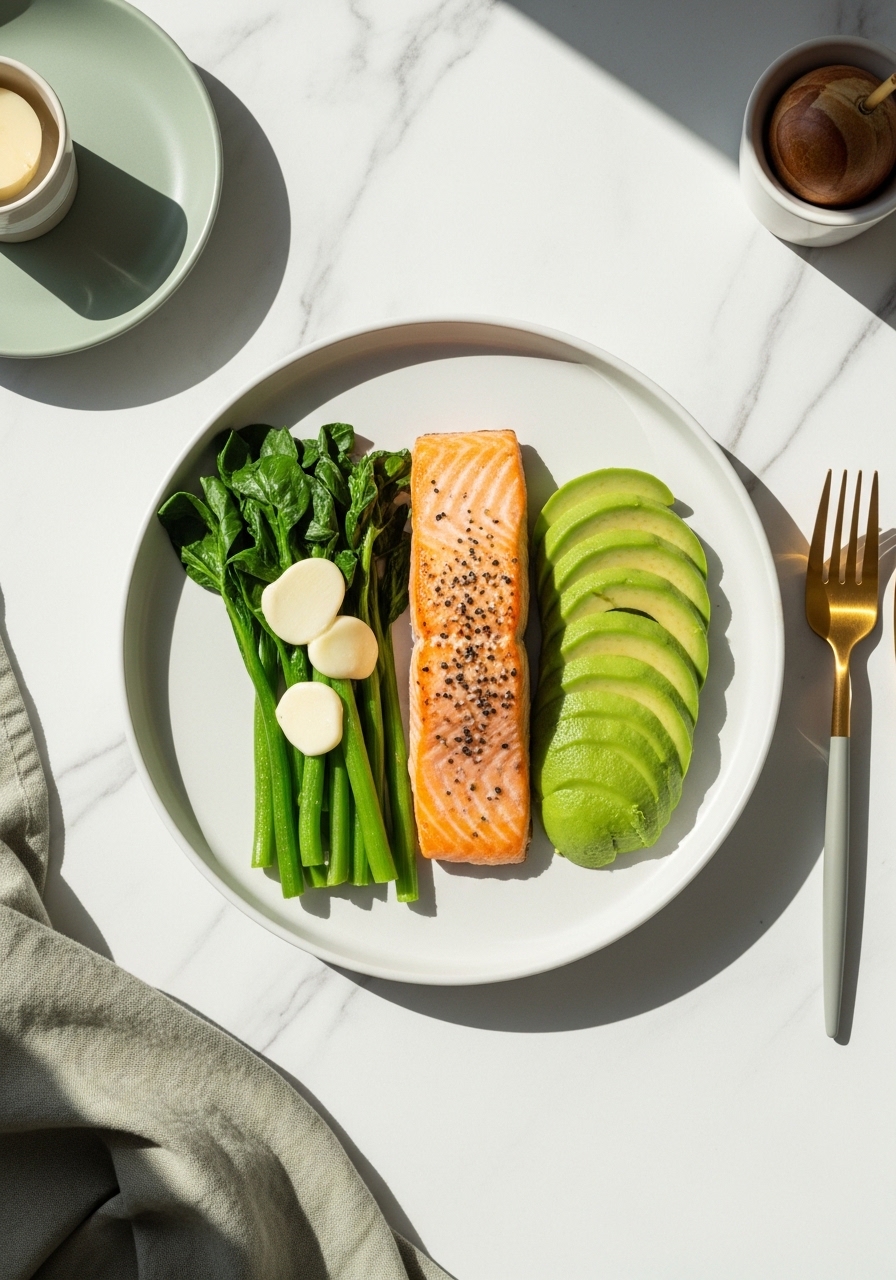
Once you know how to calculate macros for keto without confusion, keeping them in range becomes a habit. Recalculate when your weight changes by 10–15 lbs, or every 8–12 weeks. Use your scale and containers to remove guesswork, and treat tracking like a short-term training period, not a forever chore.
Keep your setup simple: a reliable scale, a few prep bowls, and a tracking app will get you accurate results.
You’ve got this—pin this guide and start weighing your portions today. If one tool helps most, grab a digital kitchen scale so every portion matches your macro targets. Which tip will you try first? Save this for later and share with a friend who’s starting keto.
Leave a Reply