Ever made couscous that turned out clumpy, sticky, or oddly mushy?
It’s frustrating — especially since couscous is supposed to be one of the easiest side dishes you can make.
The secret? It’s not about complicated techniques. It’s about the right ratio, proper steaming, and one simple fluffing trick most people skip.
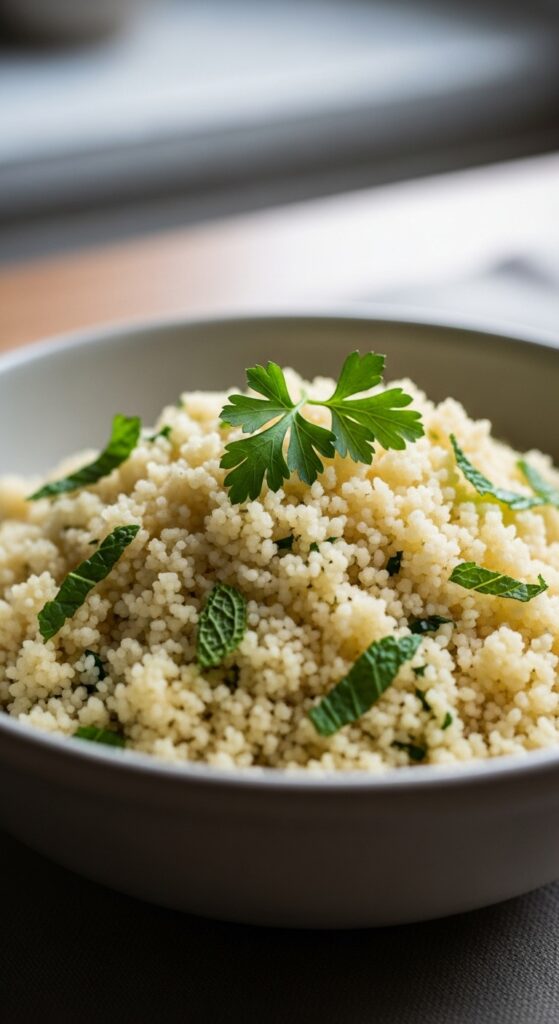
Once you master this, your couscous will be light, separate, and perfectly tender every time.
Let’s walk through it step by step.
Step 1: Choose the Right Type of Couscous
There are three common types:
- Moroccan couscous – Smallest and quickest cooking
- Israeli (pearl) couscous – Larger, chewier texture
- Lebanese couscous – Largest and takes longer to cook
This guide focuses on Moroccan couscous, which cooks in just 5 minutes.
Check your package, but the method below works for most standard boxed couscous.
Step 2: Use the Correct Liquid Ratio
This is where most mistakes happen.
For Moroccan couscous:
1 cup couscous : 1 cup liquid
The liquid can be:
- Water
- Chicken or vegetable broth (adds flavor)
- A mix of broth and water
Too much liquid = mushy texture.
Too little liquid = dry and undercooked.
Precision matters here.
Step 3: Bring the Liquid to a Boil First
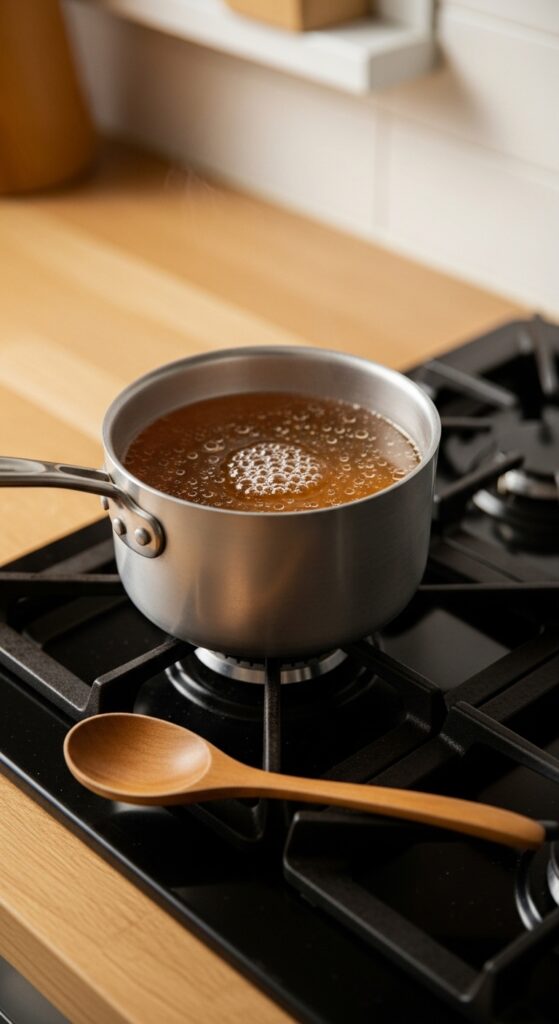
Pour your liquid into a saucepan and bring it to a full boil.
Add:
- ½ tsp salt (if using water)
- 1 tbsp olive oil or butter
The fat helps keep grains separate and adds flavor.
Step 4: Remove From Heat Before Adding Couscous
Here’s the trick most people miss:
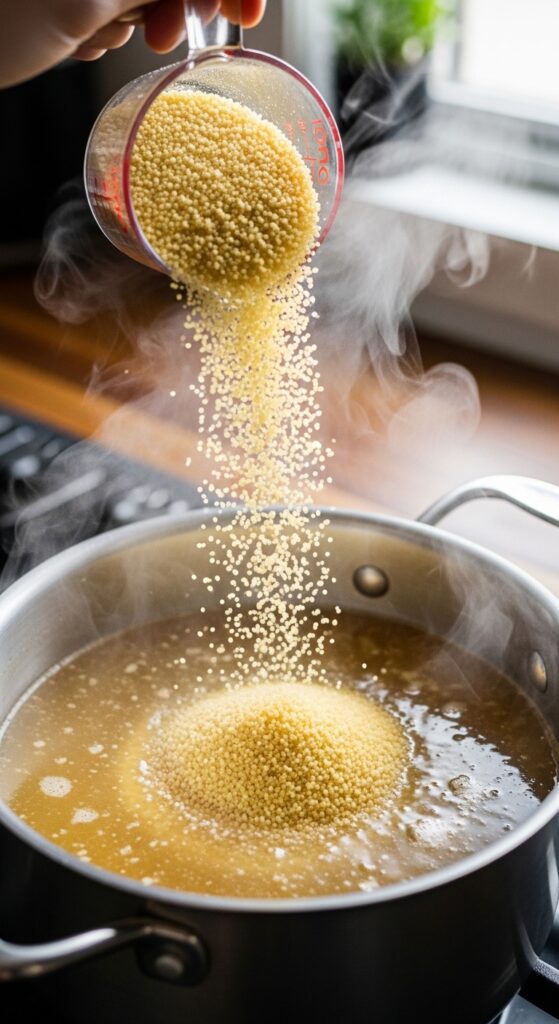
Turn off the heat before adding the couscous.
Stir the couscous into the hot liquid, cover tightly with a lid, and let it sit for 5 minutes.
Do not stir while it steams.
The trapped heat gently hydrates the grains without overcooking them.
Step 5: Fluff — Don’t Stir
After 5 minutes, remove the lid.
It may look slightly clumped together. That’s normal.
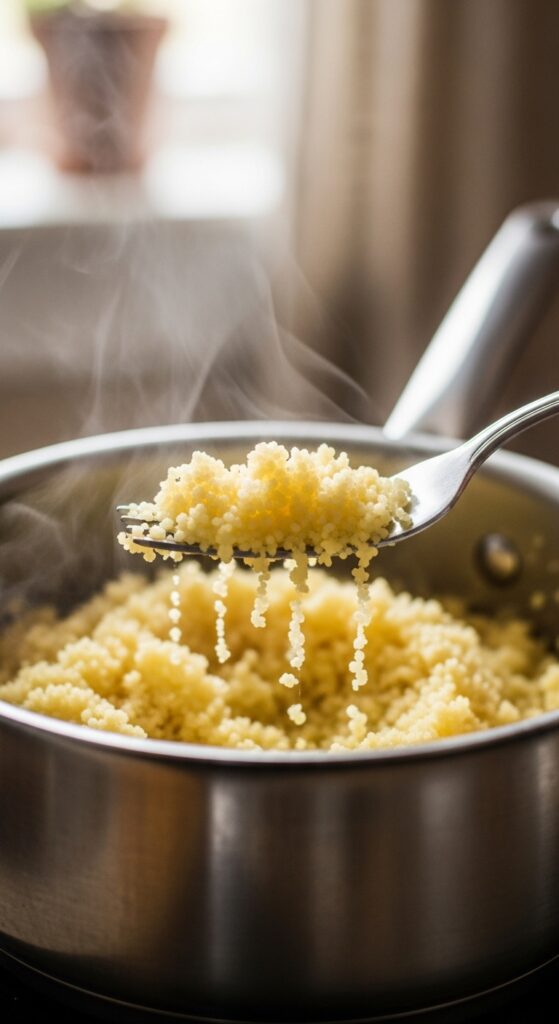
Use a fork (not a spoon) to gently fluff and separate the grains.
Lightly rake the fork through the couscous to break it apart.
This creates that airy, fluffy texture.
Avoid pressing or mashing — that makes it sticky.
Step 6: Add Fresh Flavor Boosts
Plain couscous is good.
Seasoned couscous is great.
Try mixing in:
- Chopped fresh parsley or cilantro
- Lemon zest or a squeeze of lemon juice
- Toasted almonds or pine nuts
- Diced cucumber and cherry tomatoes
- A drizzle of olive oil
You can also stir in:
- Roasted vegetables
- Chickpeas
- Grilled chicken or shrimp
Couscous is a blank canvas — build flavor on top.
Optional: Toast for Extra Depth
Want a slightly nutty flavor?
Before adding liquid, toast the dry couscous in the saucepan with olive oil for 2–3 minutes until lightly golden.
Then add boiling liquid and continue with the standard method.
This small step adds a subtle, rich taste.
Common Mistakes to Avoid
- Adding couscous while heat is still on
- Using too much liquid
- Skipping the fork fluffing step
- Overstirring
- Letting it sit uncovered
These tiny errors are what lead to heavy, sticky couscous.
Why This Method Works
Couscous doesn’t need “cooking” like rice.
It needs controlled steaming.
By:
- Using equal liquid
- Removing from heat
- Covering tightly
- Fluffing gently
You allow the grains to absorb moisture evenly without breaking down.
Simple. Reliable. Foolproof.
Final Thoughts
Light and fluffy couscous isn’t about skill — it’s about restraint.
Measure carefully.
Steam gently.
Fluff with a fork.
Once you try it this way, you’ll never serve clumpy couscous again.
Save this guide for your next dinner side.
Or make it tonight — it’s ready in minutes. 🌿
Leave a Reply