Flat, dense muffins are disappointing.
You pull the tray out of the oven hoping for tall, bakery-style domes… and instead you get squat little pucks.
The good news? Perfectly risen muffins aren’t about luck. They’re about technique. Once you understand a few simple baking principles, you’ll get those golden, sky-high tops every time.
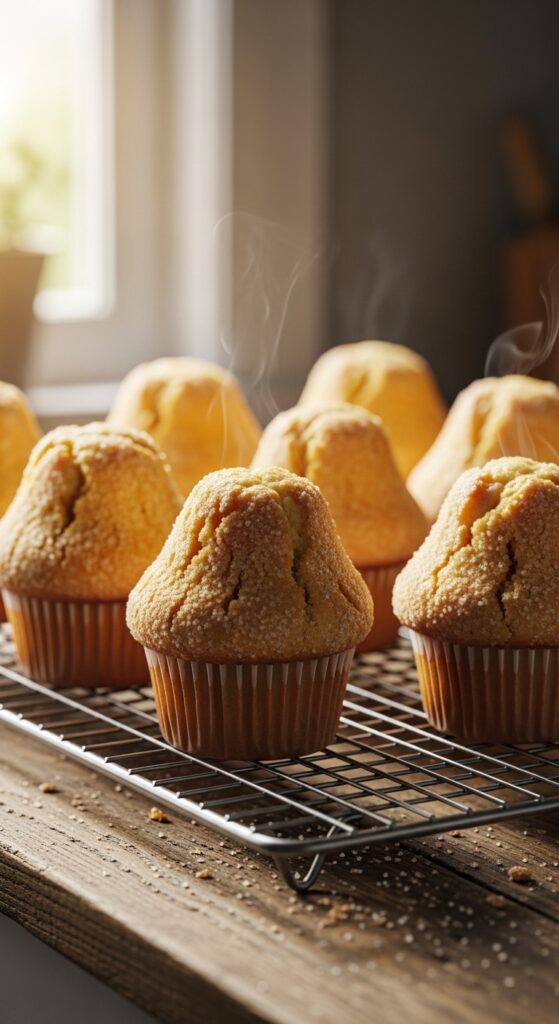
Let’s break it down step by step.
Step 1: Start With Fresh Leavening
Your muffins rise because of baking powder or baking soda.
If those ingredients are old, your muffins won’t lift properly.
Here’s what to check:
- Baking powder should be replaced every 6–12 months.
- Baking soda should fizz immediately when dropped into vinegar.
- Store both in a cool, dry place.
Even slightly expired leavening can mean flat results.
If you want bakery-style height, freshness matters.
Step 2: Measure Correctly (This Is Bigger Than You Think)
Too much flour = heavy muffins.
Too little flour = collapse.
For best results:
- Spoon flour into the measuring cup.
- Level it off with a knife.
- Don’t scoop directly from the bag (it packs flour down).
Better yet? Use a kitchen scale.
Precise flour measurement keeps the structure light enough to rise but sturdy enough to hold shape.
Step 3: Don’t Overmix the Batter
Overmixing is the number one reason muffins turn dense.
When you mix too much, you develop gluten. That makes muffins chewy instead of soft — and it can prevent a proper rise.
Here’s how to mix properly:
- Combine dry ingredients in one bowl.
- Combine wet ingredients in another.
- Pour wet into dry.
- Stir gently until just combined.
It’s okay if you still see small streaks of flour. Lumpy batter is normal.
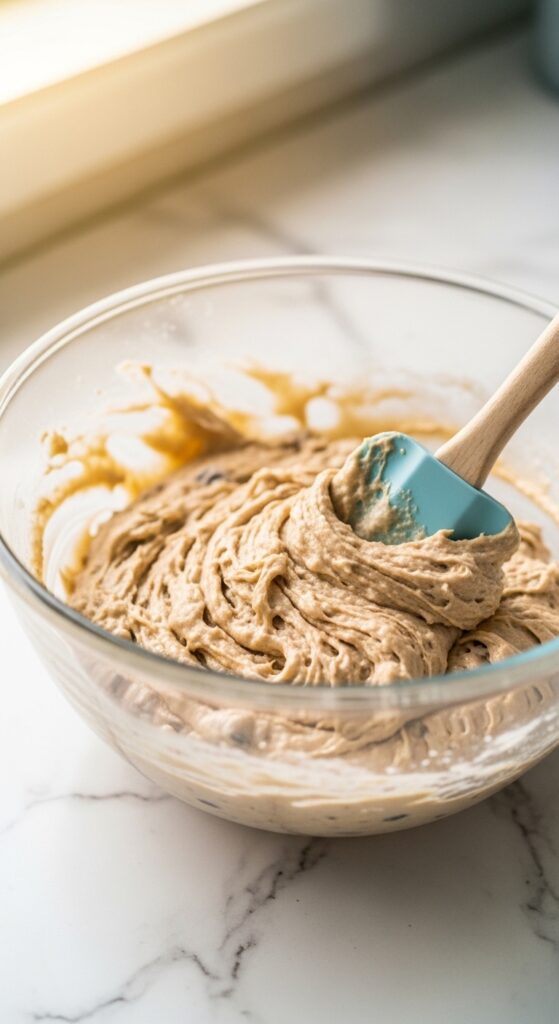
Stop mixing as soon as everything comes together.
Step 4: Fill the Muffin Cups Properly
Underfilled muffin cups won’t rise high.
For tall, rounded tops:
- Fill each cavity about ¾ to almost full.
- Use an ice cream scoop for even portions.
- Lightly tap the pan to settle the batter.
If you want dramatic domes, you can even fill slightly higher and bake fewer muffins per batch.
The batter needs room to expand upward — not outward.
Step 5: Use the High-Heat Trick
This is the bakery secret.
Start baking at a higher temperature for the first few minutes.
Here’s how:
- Preheat oven to 425°F (220°C).
- Bake muffins for 5 minutes.
- Without opening the oven, reduce temperature to 350°F (175°C).
- Continue baking until done.
That initial blast of heat creates a quick rise, forming tall tops before the structure sets.

This one trick alone changes everything.
Step 6: Don’t Overbake
Overbaking dries muffins out and can cause them to shrink after rising.
Check for doneness by:
- Inserting a toothpick into the center.
- Looking for a few moist crumbs (not wet batter).
- Gently pressing the top — it should spring back.
Most standard muffins bake in 18–22 minutes total.
Pull them out as soon as they’re done. Let them cool in the pan for 5 minutes, then transfer to a wire rack.
Why Muffins Don’t Rise (Common Mistakes)
If your muffins stay flat, it’s usually because of:
- ❌ Expired baking powder
- ❌ Overmixed batter
- ❌ Too much flour
- ❌ Oven not fully preheated
- ❌ Opening the oven door too early
Oven temperature consistency matters more than you think.
If possible, use an oven thermometer to make sure your heat is accurate.
Pro Tips for Extra Tall Muffins
Want bakery-level height? Try these upgrades:
- Chill the batter for 30 minutes before baking.
- Add a sprinkle of coarse sugar on top (helps create structure).
- Use thicker batters rather than thin, runny ones.
- Bake every other cup filled (space helps heat circulation).
And always use room-temperature eggs and milk. Cold ingredients can slow down the rise.

Final Touches
Once cooled, you should see:
- Rounded, golden tops
- Light, fluffy interiors
- Even crumb structure
- No sinking in the center
That’s the sign you nailed it.
Perfect muffins aren’t complicated — they’re just about small, intentional steps.
Use fresh leavening.
Don’t overmix.
Start hot.
And watch your muffins rise beautifully every single time.
Try this method in your next batch and see the difference.
Pin this guide so you never bake flat muffins again.
Leave a Reply