Freezer meals are a lifesaver—until you pull one out and it’s covered in ice crystals, freezer-burned, or weirdly dry. If you’ve ever spent time cooking ahead only to end up disappointed later, you’re not alone. The good news? Freezing meals the right way is simple once you know a few key rules.
This guide walks you through exactly how to freeze meals so they stay fresh, flavorful, and ready to enjoy whenever you need them.
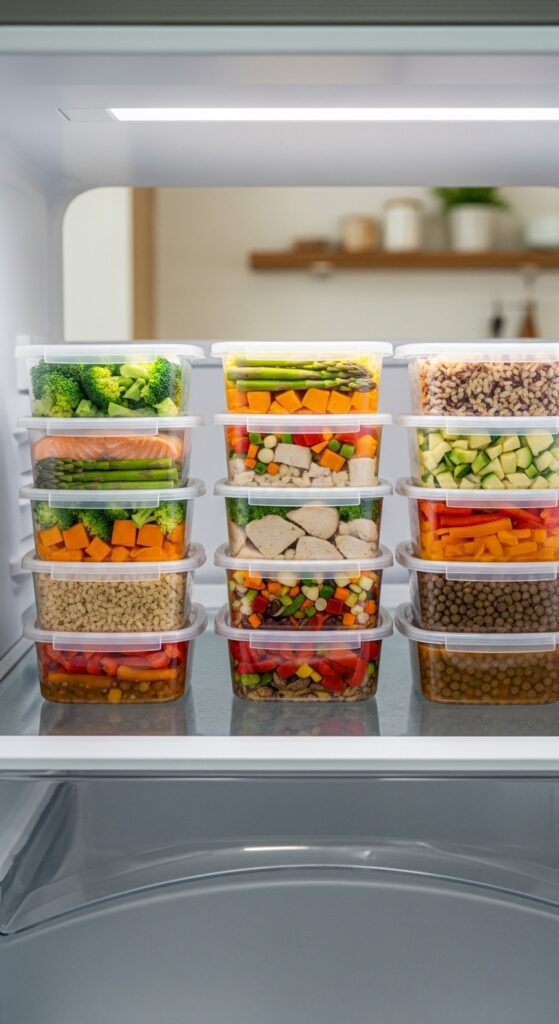
Step 1: Choose Freezer-Friendly Meals
Not all meals freeze well, so starting with the right recipes makes a big difference. Foods with moisture, sauces, and sturdy textures hold up best.
Great meals to freeze:
- Soups, stews, and chili
- Pasta dishes with sauce
- Casseroles and baked dishes
- Cooked rice and grains
- Cooked meats and shredded chicken
Meals that don’t freeze as well:
- Cream-heavy sauces (unless stabilized)
- Raw potatoes
- Fresh lettuce or cucumbers
- Fried foods (they lose crispness)
If you’re meal prepping, think comfort foods and saucy dishes—they reheat beautifully.
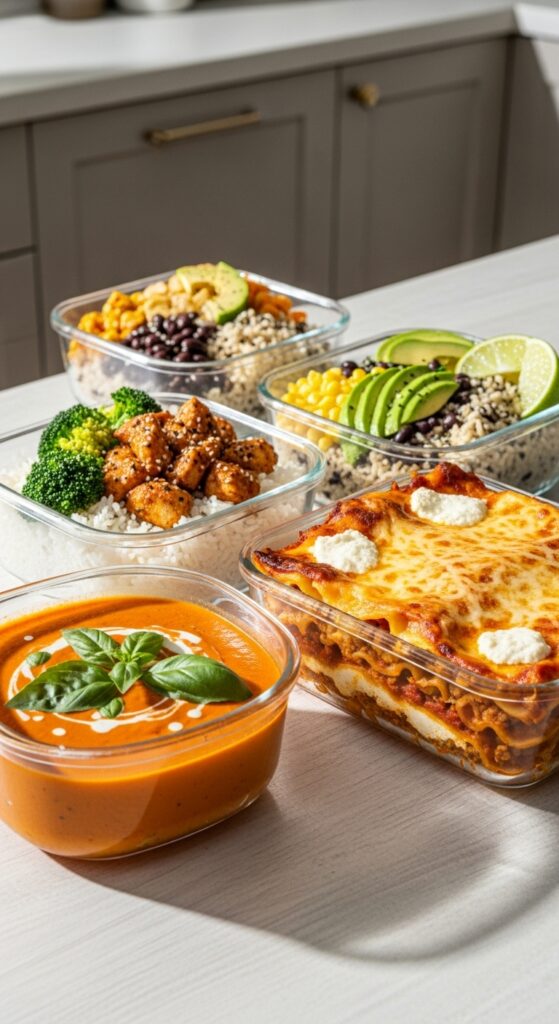
Step 2: Cool Food Completely Before Freezing
This step is often skipped—and it’s one of the biggest mistakes.
Putting hot food straight into the freezer creates steam, which turns into ice crystals. That’s how freezer burn starts.
Do this instead:
- Let food cool to room temperature
- For faster cooling, spread food into shallow containers
- Refrigerate first, then freeze once fully chilled
Cooling properly helps maintain texture, flavor, and food safety.
Step 3: Package Meals the Right Way
Air is the enemy of frozen food. The goal is to protect your meals from oxygen and moisture.
Best containers for freezing:
- Glass containers with tight lids
- Freezer-safe plastic containers
- Silicone freezer trays
- Heavy-duty freezer bags
Packaging tips that matter:
- Fill containers as full as possible (less air = better freshness)
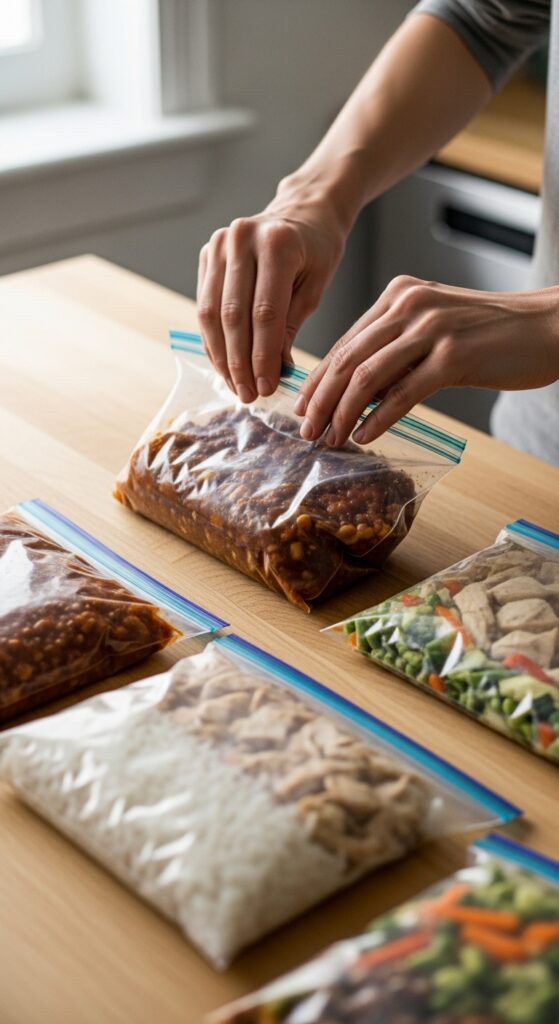
- Press extra air out of freezer bags
- Double-wrap casseroles with plastic wrap + foil
Flat freezer bags also save space and thaw faster.
Step 4: Label Everything (Yes, Everything)
You might think you’ll remember what’s in that container—but you won’t.
Labeling saves time, money, and confusion.
Always include:
- Meal name
- Date frozen
- Reheating notes (optional but helpful)
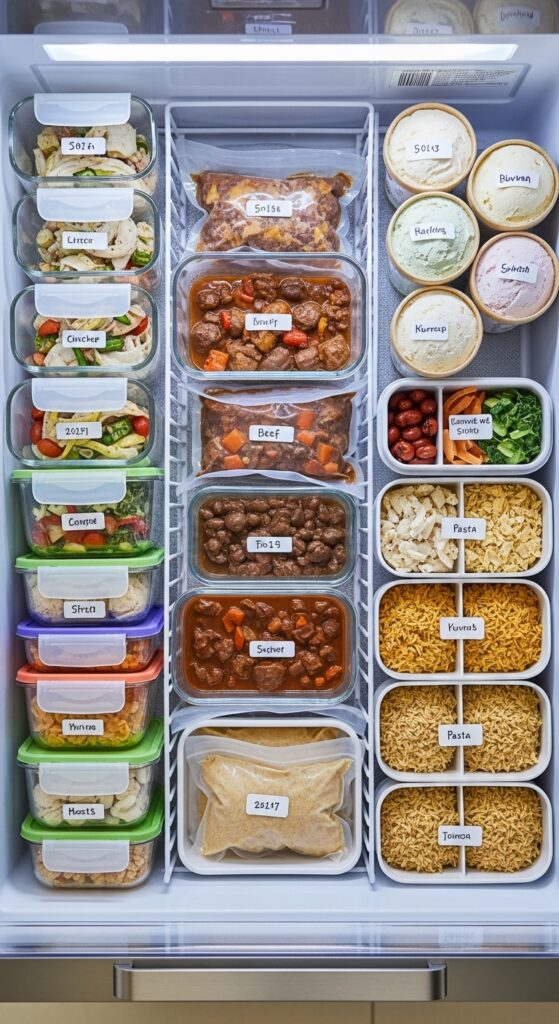
Use masking tape or freezer labels and a permanent marker. This keeps your freezer organized and prevents mystery meals from piling up.
Step 5: Freeze Meals Quickly and Strategically
The faster food freezes, the better it keeps its texture.
How to freeze like a pro:
- Place meals in a single layer at first
- Don’t stack warm containers
- Keep food away from the freezer door
- Set freezer to 0°F (-18°C) or lower
Once frozen solid, you can stack and organize meals neatly.
Common Freezer Meal Mistakes to Avoid
Even small missteps can affect quality. Watch out for these common issues:
- Freezing food with too much air in the container
- Forgetting to label meals
- Overfilling the freezer (restricts airflow)
- Freezing meals you don’t actually like
- Keeping meals frozen for too long
Most freezer meals are best eaten within 2–3 months for top flavor, though many are safe longer.
Pro Tips for Better Texture and Flavor
These small tricks make a big difference:
- Slightly undercook pasta and vegetables before freezing
- Add fresh herbs after reheating instead of before freezing
- Freeze sauces separately when possible
- Portion meals based on how you’ll eat them later
Thinking ahead during prep saves frustration later.
Final Touches: Thawing and Reheating Matters Too
How you thaw your meals affects freshness just as much as freezing.
Best options:
- Thaw overnight in the fridge
- Reheat straight from frozen for soups and casseroles
- Add a splash of water or broth when reheating to restore moisture
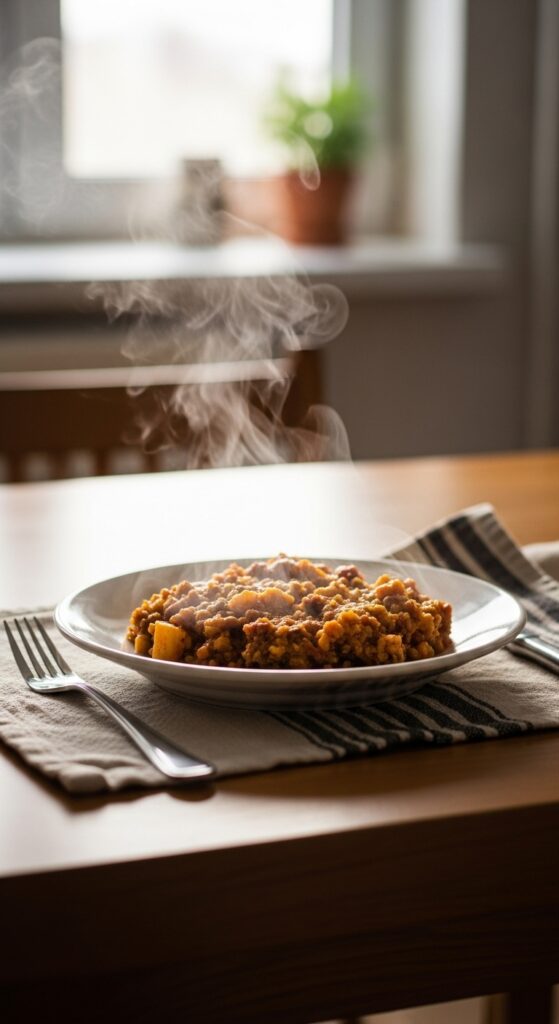
Freezer meals should make life easier—not disappointing. With the right meals, smart packaging, and a little organization, your frozen food can taste just as good as the day you made it.
Save this for later, and try freezing your next meal the right way.
Leave a Reply