Slow cookers are famous for convenience, but when used the right way, they can also deliver deep, rich, restaurant-level flavor. If you’ve ever ended up with food that tasted bland, watery, or one-note, don’t worry—you’re not alone. The good news? A few simple tweaks can completely transform your results.
This guide will show you exactly how to use a slow cooker for maximum flavor, even if you’re a total beginner.
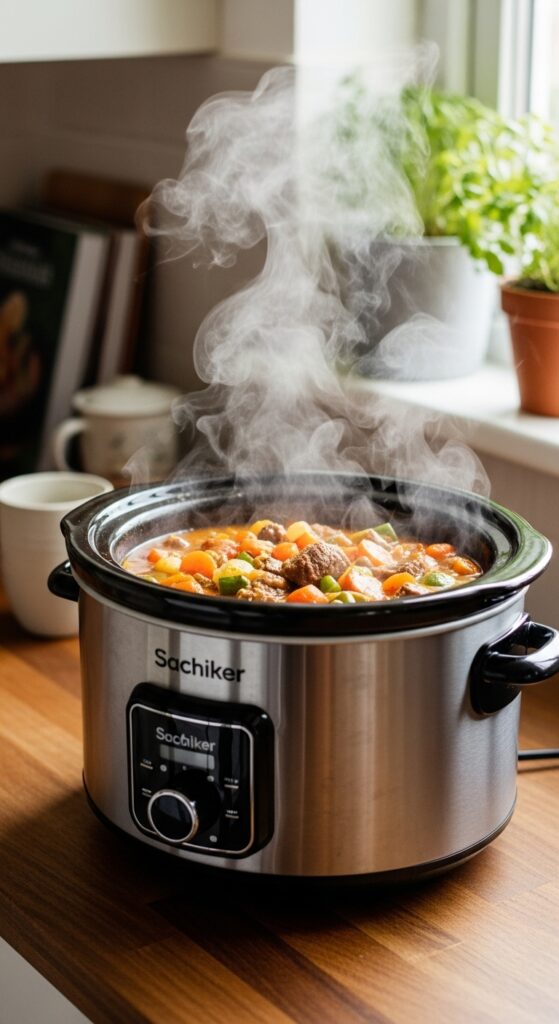
Step 1: Start With the Right Ingredients
Flavor starts before you turn the slow cooker on.
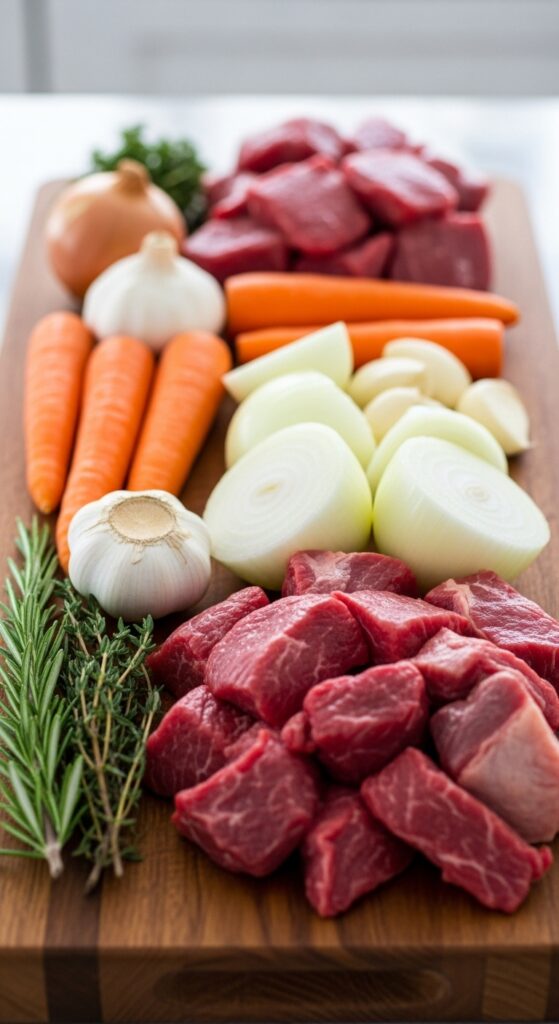
Choose ingredients that hold up well during long cooking times:
- Tough cuts of meat (chuck roast, pork shoulder, chicken thighs)
- Root vegetables (carrots, potatoes, onions)
- Aromatics (garlic, ginger, herbs)
- Bold seasonings (tomato paste, soy sauce, Worcestershire, spices)
Lean meats and delicate vegetables can dry out or disappear into the dish, so save those for quick cooking methods.
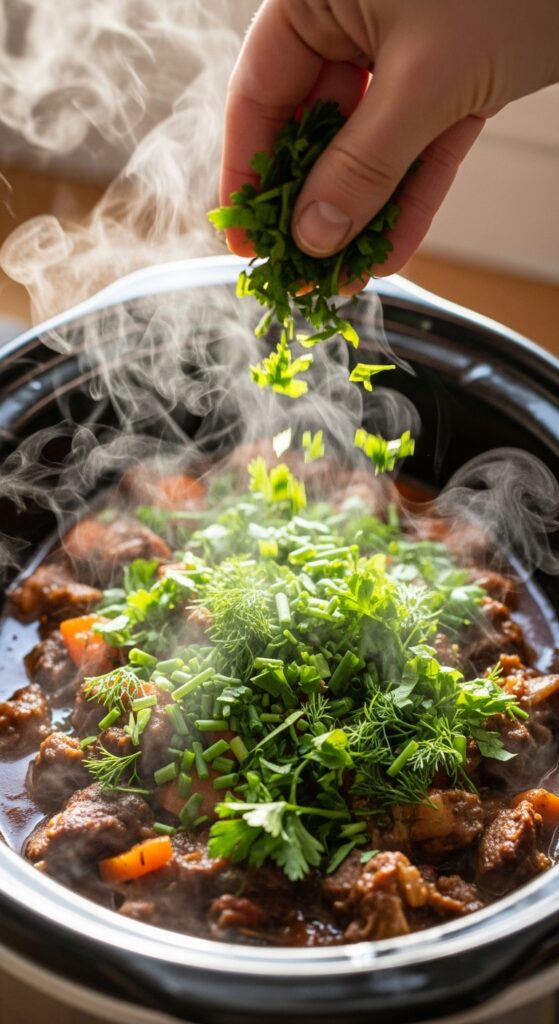
Pro tip: Fresh herbs are great at the end, but dried herbs shine during long cooking.
Step 2: Brown Meat Before Slow Cooking
This step is optional—but if you want maximum flavor, it’s a game changer.
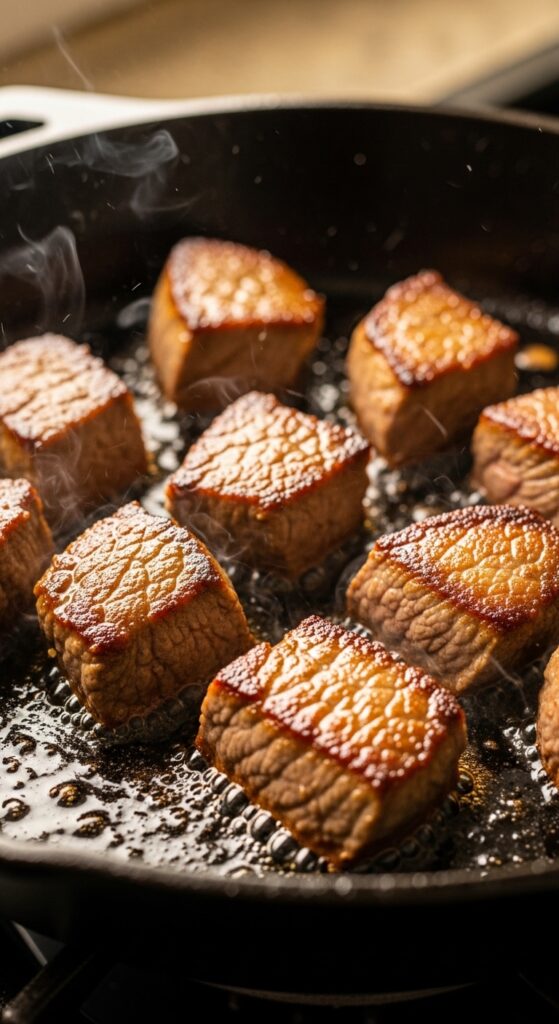
Browning meat in a skillet before adding it to the slow cooker:
- Creates a rich, savory crust
- Adds depth and complexity
- Prevents bland, boiled-tasting results
Simply sear the meat in a hot pan with a little oil until golden brown on all sides. Then transfer it to the slow cooker.
Yes, it adds an extra dish—but the flavor payoff is worth it.
Step 3: Layer Ingredients the Right Way
Ingredient order matters more than you think.
Use this simple layering method:
- Root vegetables on the bottom (they cook slower)
- Meat on top of the vegetables
- Aromatics and spices
- Liquids last
This ensures everything cooks evenly and absorbs flavor instead of turning mushy.
Avoid stirring unless the recipe specifically says to—slow cookers work best when left undisturbed.
Step 4: Don’t Overdo the Liquid
One of the biggest slow cooker mistakes is adding too much liquid.
Slow cookers trap moisture, so ingredients release liquid as they cook. Unlike stovetop meals, very little evaporation happens.
As a rule:
- Use less liquid than you think
- Sauces should barely cover the ingredients
- Thick sauces can always be loosened later
If your dish ends up too thin, remove the lid during the last 30 minutes or add a slurry (cornstarch + water) to thicken.
Step 5: Use Low Heat Whenever Possible
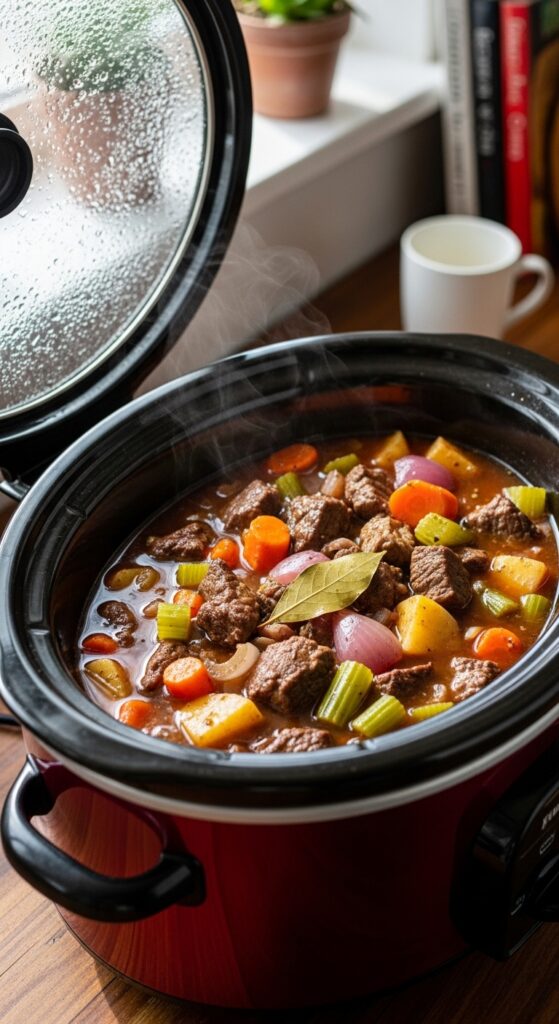
Low and slow is where flavor magic happens.
- Low setting: Best for rich, tender, deeply flavored dishes
- High setting: Useful for time crunches but less flavorful
Cooking on low allows flavors to meld slowly and evenly. Meats become fork-tender instead of stringy, and sauces develop depth instead of sharpness.
If a recipe says 4 hours on high, try 7–8 hours on low when possible.
Step 6: Season in Layers (Not Just Once)
Dumping all the salt in at the beginning can dull flavor over time.
For better results:
- Lightly season at the start
- Taste halfway through if possible
- Adjust seasoning at the end
Finish with flavor boosters like:
- A splash of vinegar or lemon juice
- Fresh herbs
- A knob of butter
- A drizzle of olive oil
These small touches wake everything up right before serving.
Common Slow Cooker Mistakes to Avoid
Even experienced cooks slip up sometimes. Watch out for these:
- Lifting the lid too often (it releases heat)
- Overcrowding the cooker
- Using frozen meat without thawing
- Skipping acid (vinegar, tomatoes, citrus)
- Expecting fast results on low heat
Avoiding these mistakes instantly improves flavor and texture.
Final Touches for Big Flavor
Before serving, take 5 extra minutes to elevate your dish:
- Taste and adjust seasoning
- Add fresh herbs or citrus
- Thicken sauce if needed
- Let the dish rest with the lid off for 10 minutes
These final touches make your slow cooker meal taste intentional—not accidental.
The Takeaway
A slow cooker isn’t just a time-saver—it’s a powerful flavor tool when used correctly. With better ingredients, smarter layering, less liquid, and a few finishing touches, you can turn simple meals into deeply satisfying comfort food.
Try these tips on your next slow cooker recipe and taste the difference.
Save this guide for later or pin it for your next cozy cooking day.
Leave a Reply