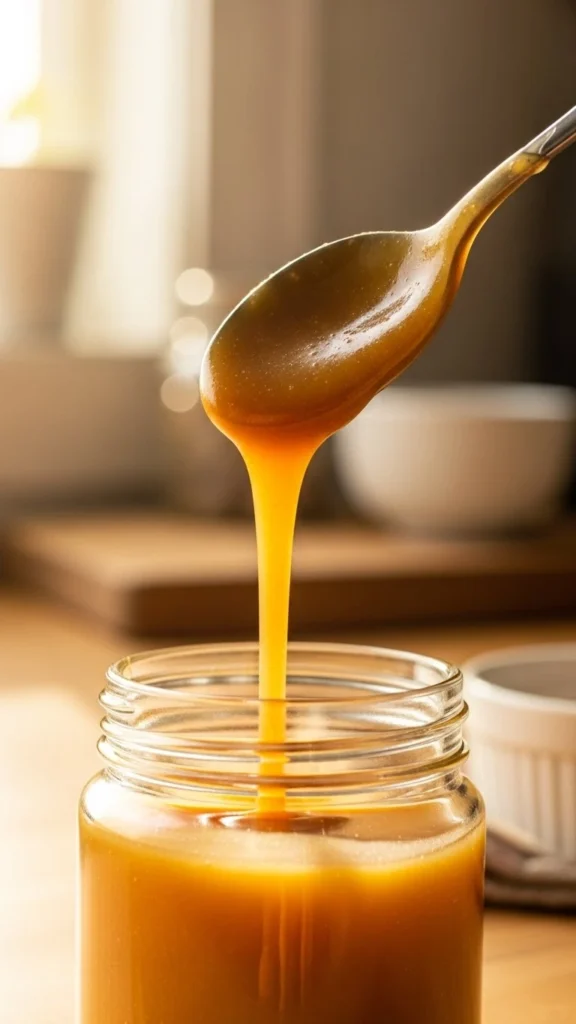
Caramel has a reputation for being fussy, temperamental, and honestly… a little scary. One second it’s clear and bubbling, the next it’s dark, bitter, and burnt beyond saving. If you’ve ever stood over the stove nervously watching sugar melt, you’re not alone.
The good news? Perfect caramel is absolutely achievable at home without stress, smoke alarms, or ruined pans. Once you understand how caramel behaves and follow a few simple rules, you’ll get smooth, golden caramel every time.
Let’s break it down step by step in a calm, no-panic way.
Understanding Why Caramel Burns So Easily
Caramel is simply sugar that’s been heated until it melts and changes color. Sounds easy, right? The tricky part is that sugar goes from perfect to burnt very fast.
Here’s what’s happening:
- Sugar melts around 320°F (160°C)
- It turns golden and develops flavor
- Just a few seconds too long, and it becomes bitter and black
That’s why control and patience matter more than speed.
Choosing the Right Ingredients and Tools
Before turning on the stove, set yourself up for success.
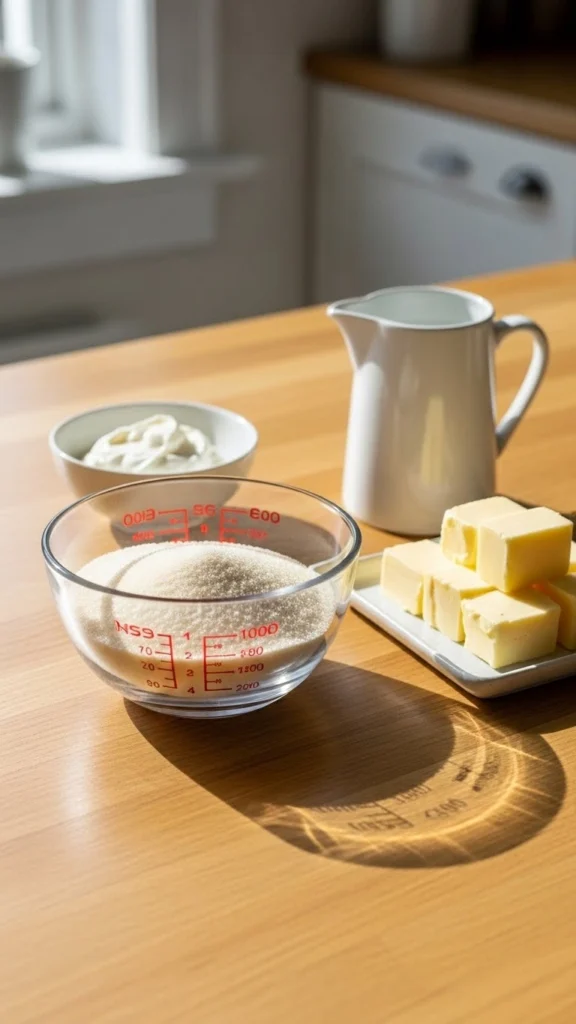
Ingredients You’ll Need
- Granulated white sugar
- Water (optional, but helpful for beginners)
- Butter or cream (if making sauce)
Best Tools for Caramel
- Heavy-bottom saucepan (prevents hot spots)
- Light-colored pan (so you can see the color change)
- Silicone spatula or wooden spoon
- Heatproof gloves (optional but smart)
Method 1: The Wet Caramel Method (Best for Beginners)
If you’re new to caramel, this method is your safest option.
Step-by-Step Instructions
- Combine sugar and water
Add sugar to the pan, then just enough water to make it look like wet sand. - Heat gently
Place the pan over medium heat. Do not stir once it starts heating. - Let it bubble and evaporate
The water will boil off while the sugar dissolves.
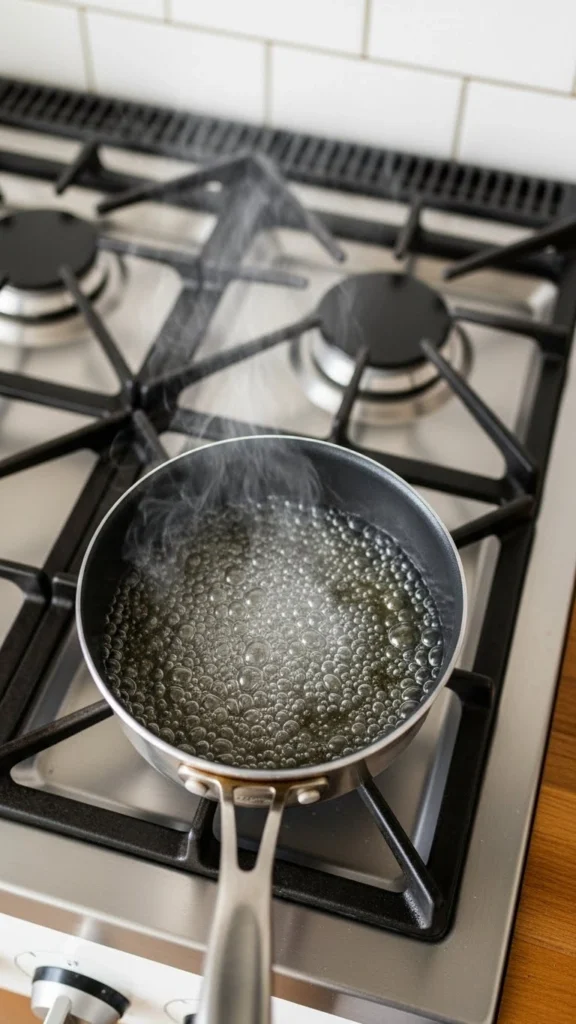
4. Watch the color closely
Once it turns pale gold, reduce the heat slightly.
5. Remove at the right moment
Take it off the heat when it’s a deep amber not dark brown.
Tip: Caramel continues to cook from residual heat, so stop early.
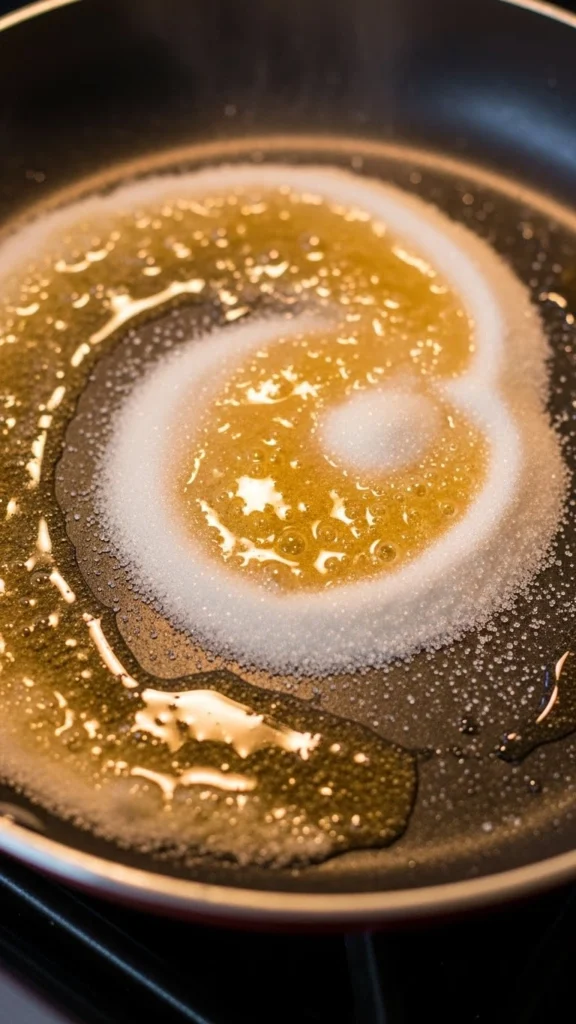
Method 2: The Dry Caramel Method (Faster but Riskier)
This method skips water entirely and works well once you’re confident.
How It Works
- Sugar is added directly to the pan
- It melts unevenly at first
- You gently swirl (not stir) to even it out
Key Rules
- Use medium-low heat
- Add sugar gradually
- Never walk away
This method develops flavor faster but burns faster too.
How to Stop Caramel From Burning
This is where most people struggle, so pay close attention.
Golden Rules of Caramel
- Lower the heat early once color appears
- Swirl the pan, don’t stir aggressively
- Trust your eyes, not the clock
- Remove early, not late
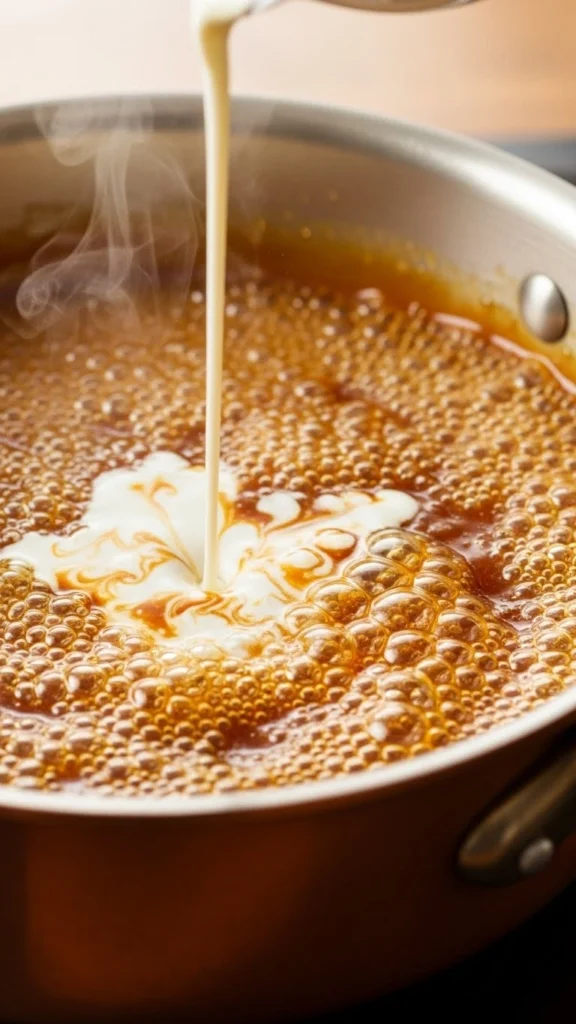
If you’re adding cream or butter:
- Warm them first
- Add slowly (it will bubble violently)
- Stir gently off heat
Fixing Common Caramel Problems
Even mistakes can be learning moments.
If It Crystallizes
- Add a splash of water
- Gently reheat until smooth
If It’s Too Thick
- Stir in warm cream, one tablespoon at a time
If It’s Burnt
Unfortunately, there’s no fix. Toss it and start over burnt caramel tastes bitter no matter what.
When Is Caramel “Perfect”?
Perfect caramel should be:
- Deep amber in color
- Smooth and glossy
- Smell warm and nutty, not sharp
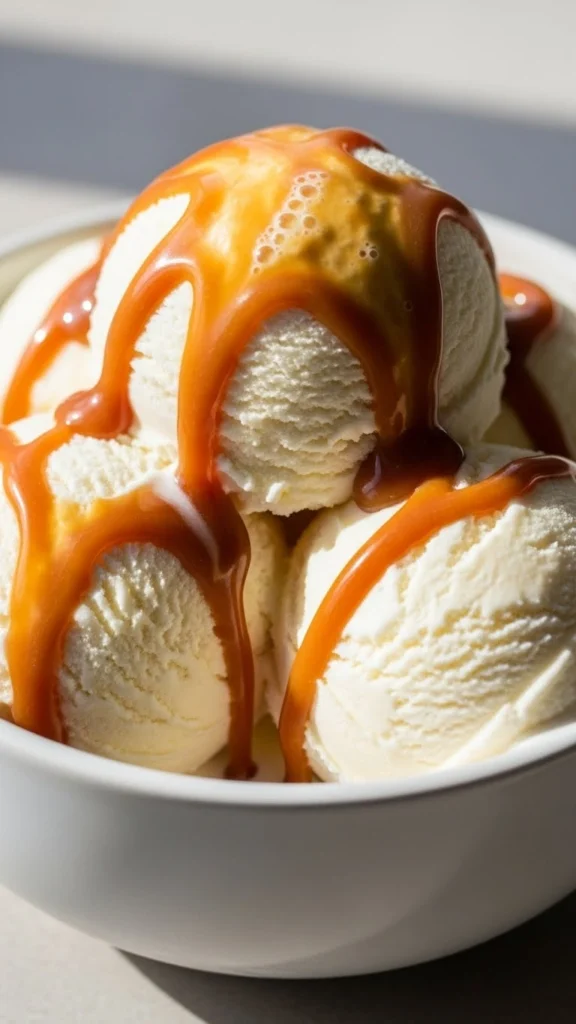
Use it for:
- Drizzling over desserts
- Making caramel sauce
- Coating nuts or apples
- Flavoring coffee or cakes
Final Takeaway: Confidence Is the Secret Ingredient
Caramel doesn’t need fear—it needs attention. Once you slow down, control the heat, and trust your senses, burning it becomes almost impossible. Save this guide for later, and the next time you need caramel, you’ll make it smoothly and confidently no stress, no smoke, just golden perfection.
Leave a Reply