Dry pork chops are one of the biggest dinner disappointments—but they don’t have to be. With the right cut, simple seasoning, and correct cooking method, you can make juicy, tender pork chops every single time**. This guide breaks everything down step by step, so even beginners can cook pork chops that are flavorful, moist, and restaurant-worthy.
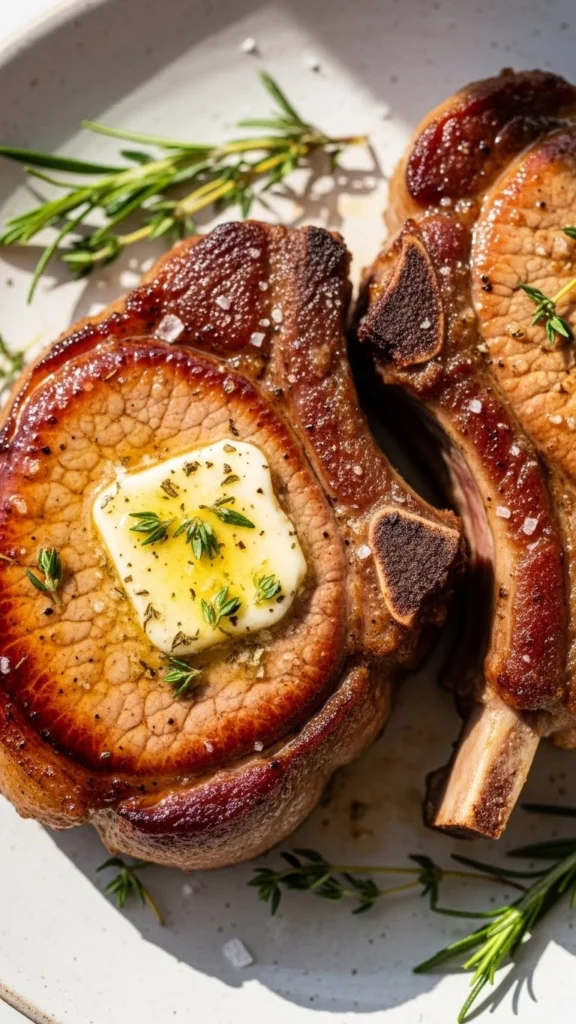
Let’s get started and turn boring pork chops into a meal everyone loves.
Start with the Right Pork Chop Cut
The secret to juicy pork chops begins before you start cooking. Choosing the right cut makes a huge difference.
Best pork chops for juiciness:
Bone-in pork chops – Bones help retain moisture
Thick-cut chops (1–1.5 inches) – Less likely to dry out
Rib or center-cut pork chops – Balanced fat and flavor
Avoid:
Very thin pork chops
Extra-lean cuts with no fat
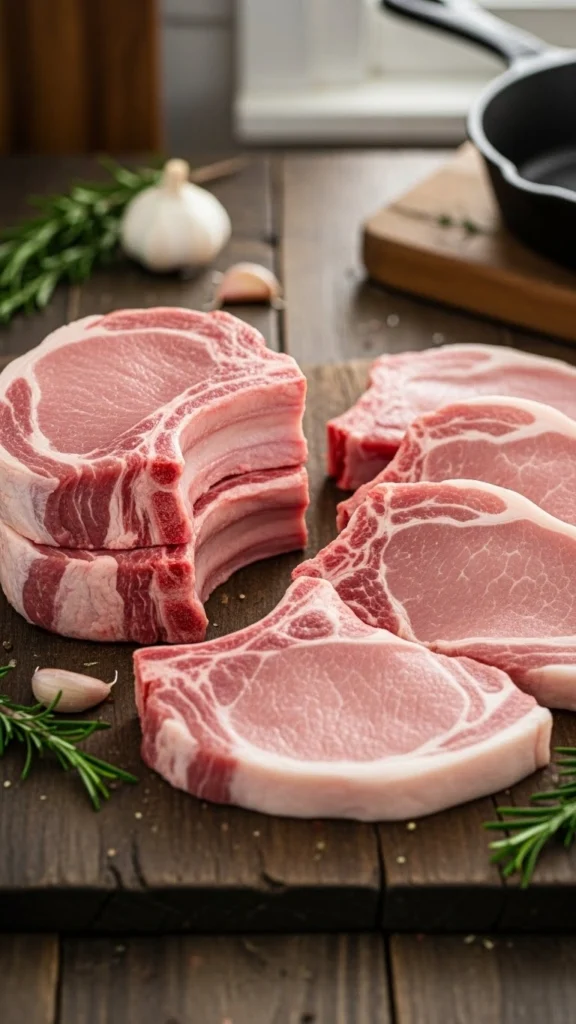
Tip: A little fat equals more flavor and tenderness.
Season Generously and Early
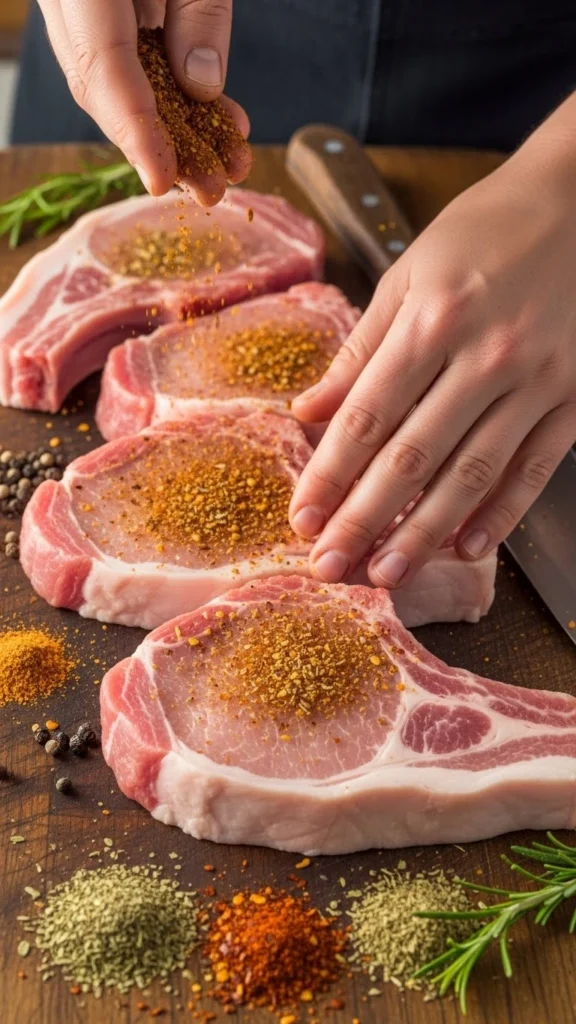
Pork chops need proper seasoning to stay juicy and tasty. Don’t be shy with salt—it helps the meat hold onto moisture.
Simple seasoning mix:
– Salt
– Black pepper
– Garlic powder
– Paprika
Season both sides **30 minutes before cooking**. This allows the salt to penetrate the meat instead of just sitting on the surface.
Optional add-ins:
– Dried thyme or rosemary
– Onion powder
– A light brush of olive oil
Let Pork Chops Come to Room Temperature:
Never cook pork chops straight from the fridge.
Before cooking:
– Remove them from the refrigerator
– Let them sit for 20–30 minutes**
Cold pork chops cook unevenly, which often causes dryness. Room-temperature meat cooks evenly and stays juicy.
Pan-Sear for a Golden, Juicy Crust
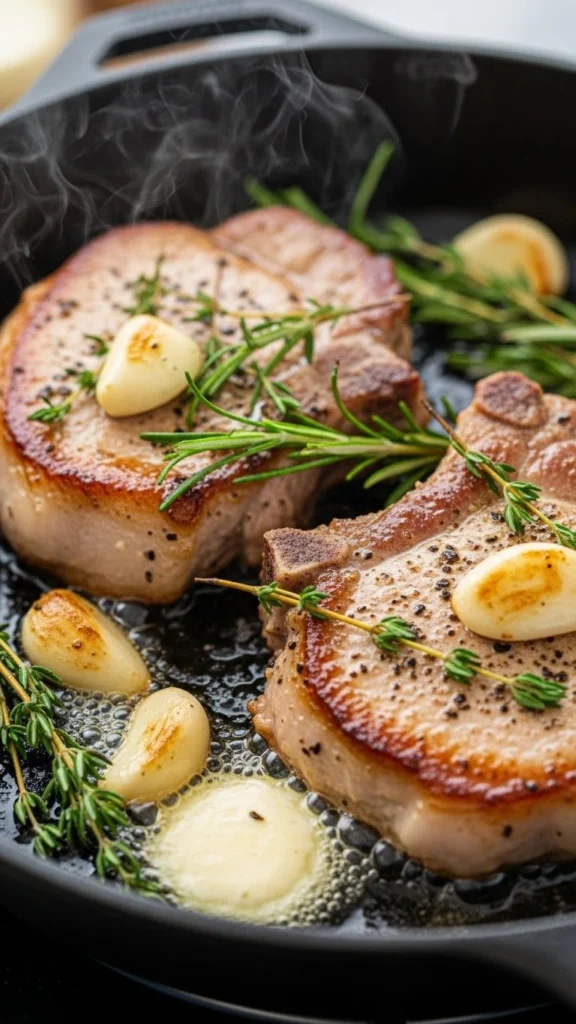
Pan-searing is one of the easiest and most effective ways to cook juicy pork chops.
How to pan-sear pork chops:
1. Heat a heavy skillet (cast iron is ideal) over medium-high heat
2. Add oil with a high smoke point
3. Place pork chops in the pan without overcrowding
4. Sear for 3–4 minutes per side until golden brown
After flipping, add:
– Butter
– Crushed garlic cloves
– Fresh herbs (thyme or rosemary)
Tilt the pan and spoon the melted butter over the chops to lock in flavor.
Use a Meat Thermometer (No Guessing!)
Overcooking is the biggest reason pork chops become dry.
Safe and juicy temperature:
– Remove from heat at 140–142°F (60–61°C)
– Final temperature after resting: 145°F (63°C)
Signs your pork chops are perfect:
– Slight pink center
– Clear juices
– Firm but tender texture
👉 Pink pork is safe and actually means juicy!
Rest the Pork Chops Before Serving
This step is crucial.
After cooking:
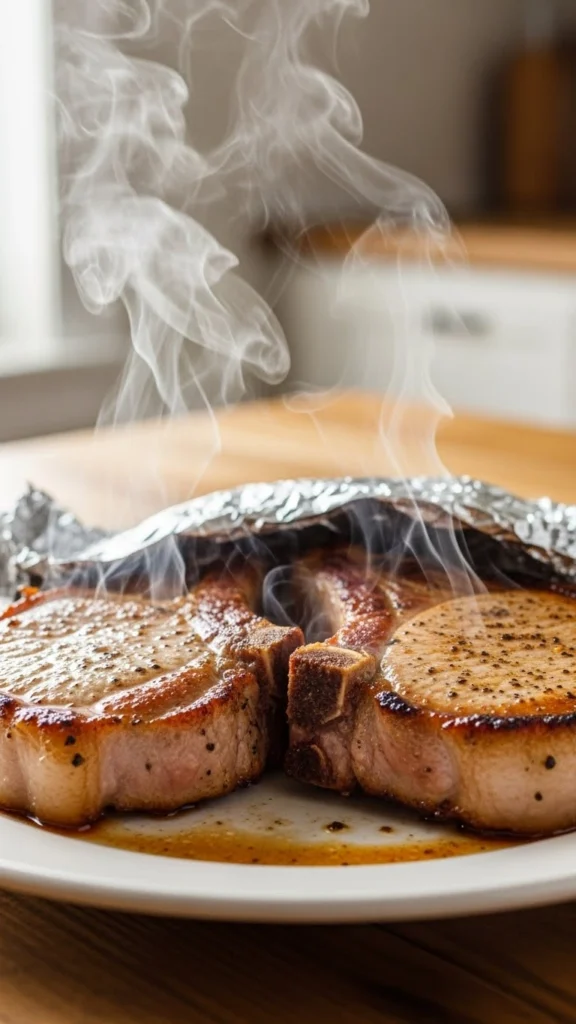
– Transfer pork chops to a plate
– Loosely cover with foil
– Rest for 5 minutes
Resting allows the juices to redistribute throughout the meat instead of spilling out when cut.
Easy Flavor Variations That Stay Juicy
Once you’ve mastered the basics, try these delicious variations:
– Honey Garlic Pork Chops – Add honey and soy sauce at the end
– Creamy Mushroom Pork Chops – Finish with mushrooms and cream
– Herb Butter Pork Chops – Extra butter, lemon zest, and fresh herbs
Each version keeps the meat juicy while adding new flavors.
Final Takeaway: Juicy Pork Chops Are Simple
Cooking pork chops that stay juicy isn’t complicated—it’s all about the right technique.
Remember:
– Choose thick, quality chops
– Season early
– Don’t overcook
– Always let them rest
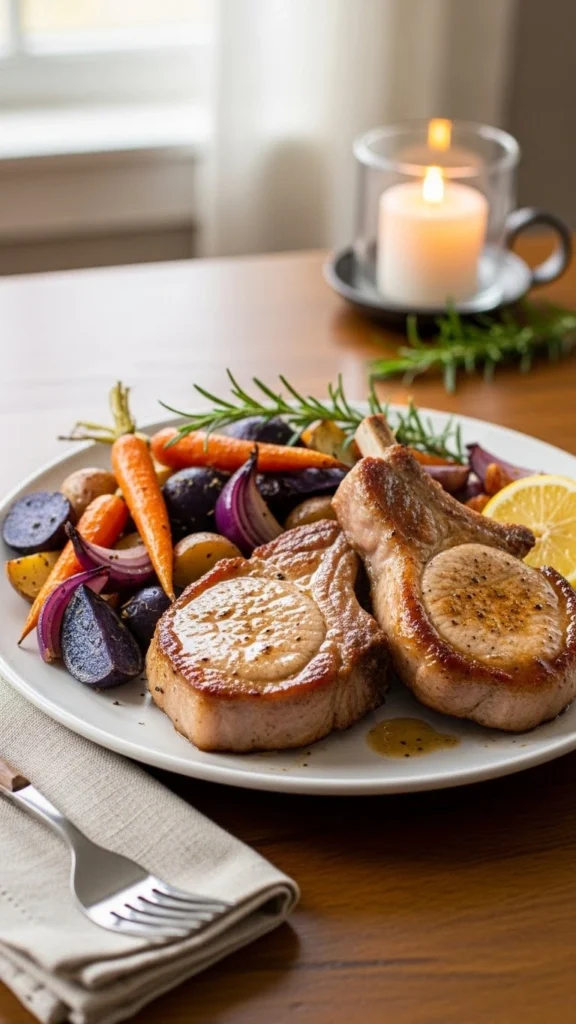
✨ Save this recipe for later and try it tonight! Once you make pork chops this way, you’ll never go back.
Leave a Reply