There’s something magical about perfectly cooked salmon — flaky, moist, and bursting with flavor. But too often, it ends up dry, rubbery, or bland. Mastering salmon is simpler than you think. With just a few smart techniques, you can turn this healthy fish into a restaurant-quality meal right at home.
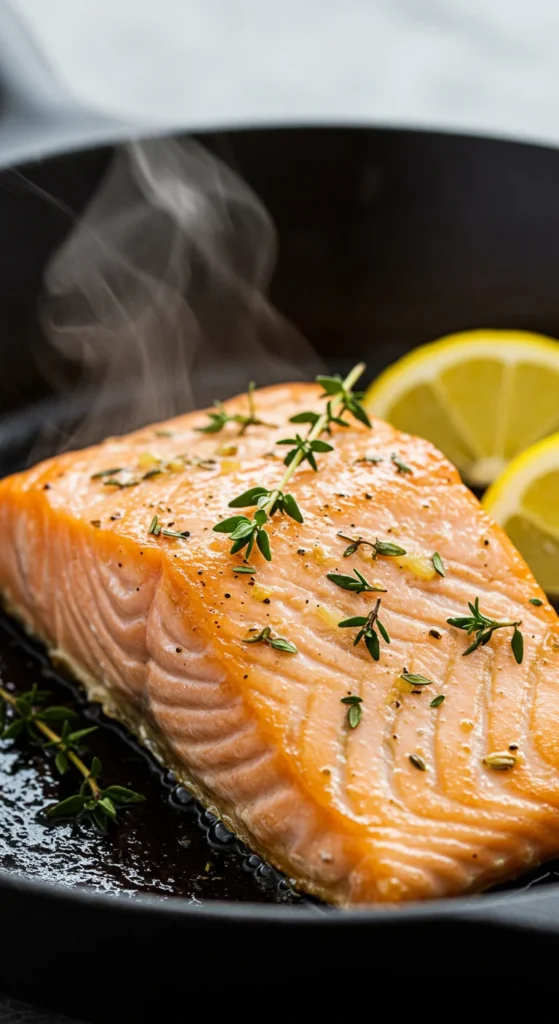
Step 1: Choose the Right Cut
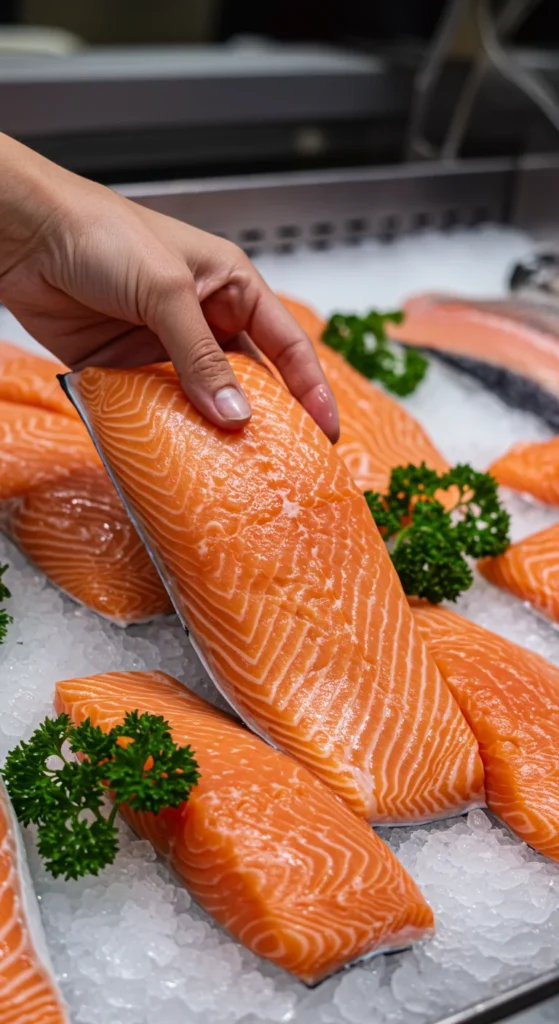
The secret to tender salmon begins long before cooking — it starts at the store. Always look for fresh, high-quality salmon fillets that are vibrant pink or orange with a moist sheen.
- Wild-caught salmon has a deeper flavor and firmer texture.
- Farm-raised salmon is milder and fattier, which helps prevent overcooking.
- For even cooking, choose fillets of similar thickness.
If you’re pan-searing or baking, go for skin-on fillets — the skin acts as a protective barrier and adds flavor when crisped to perfection.
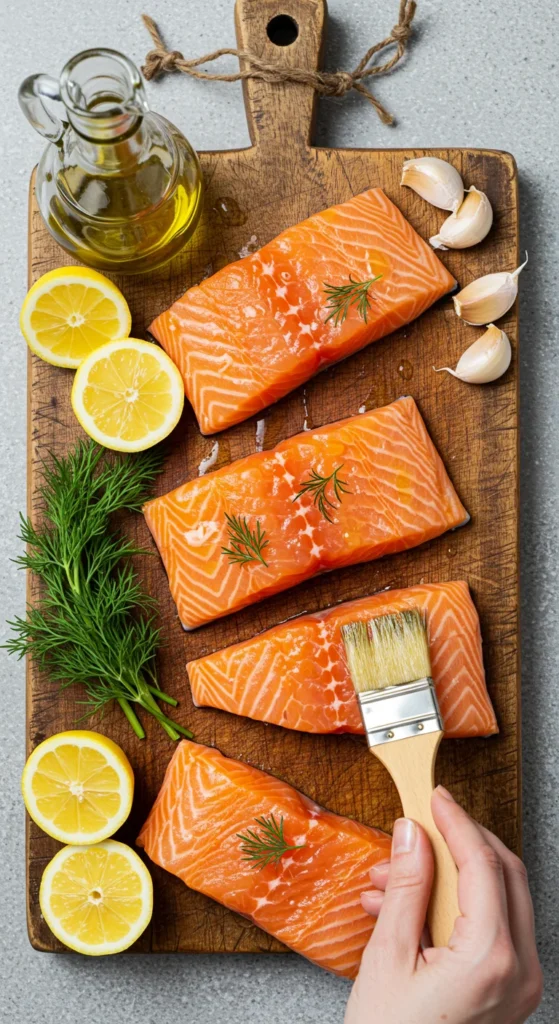
Step 2: Prepare and Season Thoughtfully
Before cooking, let your salmon come to room temperature for 10–15 minutes. Pat it dry with paper towels — moisture is the enemy of a good sear.
Simple seasoning often works best:
- A sprinkle of salt and pepper.
- A drizzle of olive oil or melted butter.
- Optional touches like garlic, lemon zest, dill, or paprika for extra flavor.
Want restaurant-level results? Make a quick marinade with soy sauce, honey, and lemon juice, and let the salmon sit for 20–30 minutes.
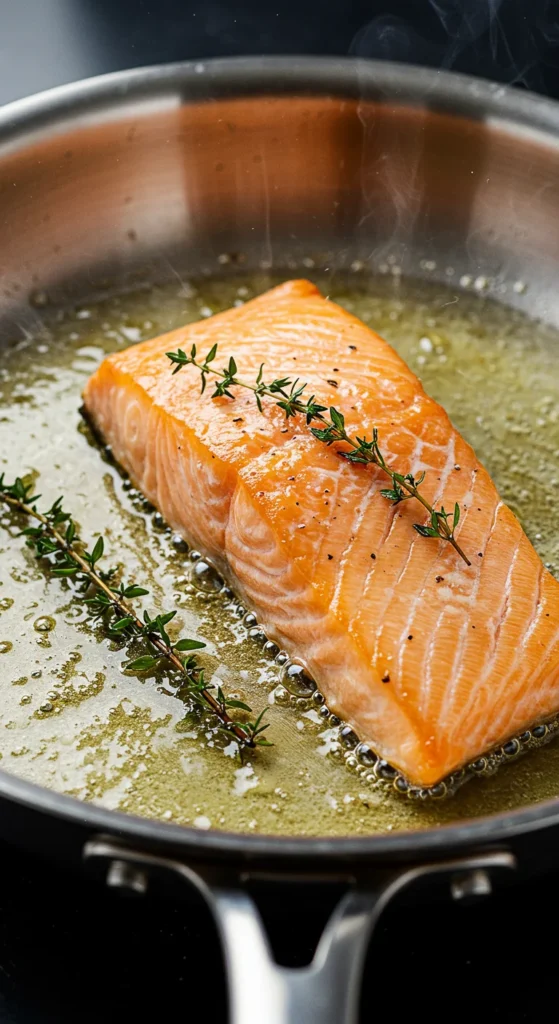
Step 3: Master the Cooking Technique
The key to tender salmon lies in temperature control and timing. Salmon cooks fast — usually just 8–12 minutes depending on thickness.
💡 Oven-Baked Salmon
- Preheat to 400°F (200°C).
- Bake on a parchment-lined tray for 10–12 minutes.
- Finish with a squeeze of lemon for brightness.
🔥 Pan-Seared Salmon
- Heat oil in a skillet until shimmering.
- Place the salmon skin-side down and press gently for a crisp skin.
- Cook 4–5 minutes per side.
🌡️ Internal Temperature
- For perfect tenderness, aim for 125°F (52°C) internal temperature.
- Let it rest for a few minutes before serving — it keeps cooking slightly off the heat.
Step 4: Add Flavor with Finishing Touches
Once your salmon is cooked, elevate it with vibrant finishing elements:
- Citrus glaze: Mix honey, Dijon mustard, and lemon juice.
- Herb butter: Combine softened butter with dill, chives, and garlic.
- Fresh toppings: Try mango salsa, avocado slices, or roasted cherry tomatoes.
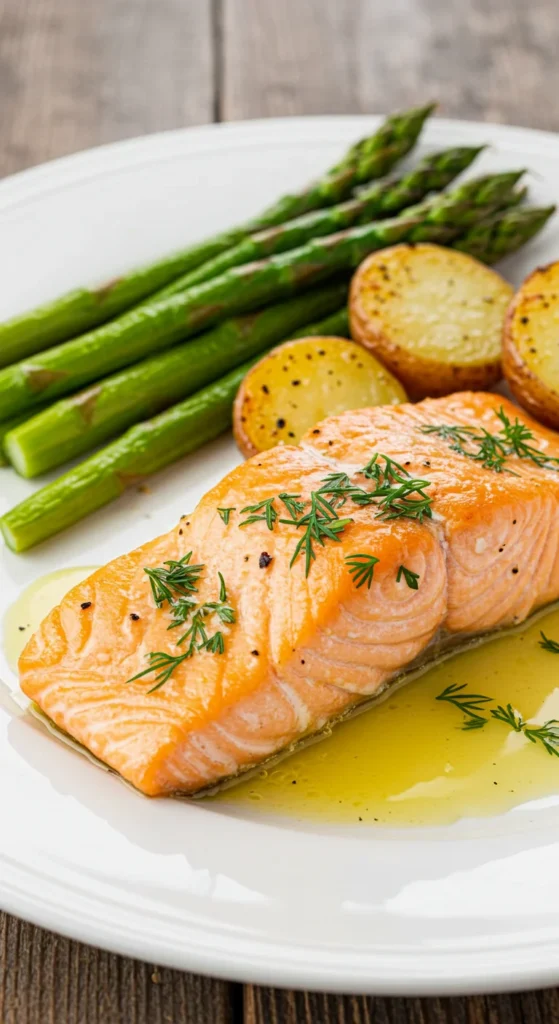
Presentation also matters — serve on a white plate or wooden board to make the colors pop.
Step 5: Pair It Right
A perfect side dish enhances your salmon’s flavor. Here are some easy pairings:
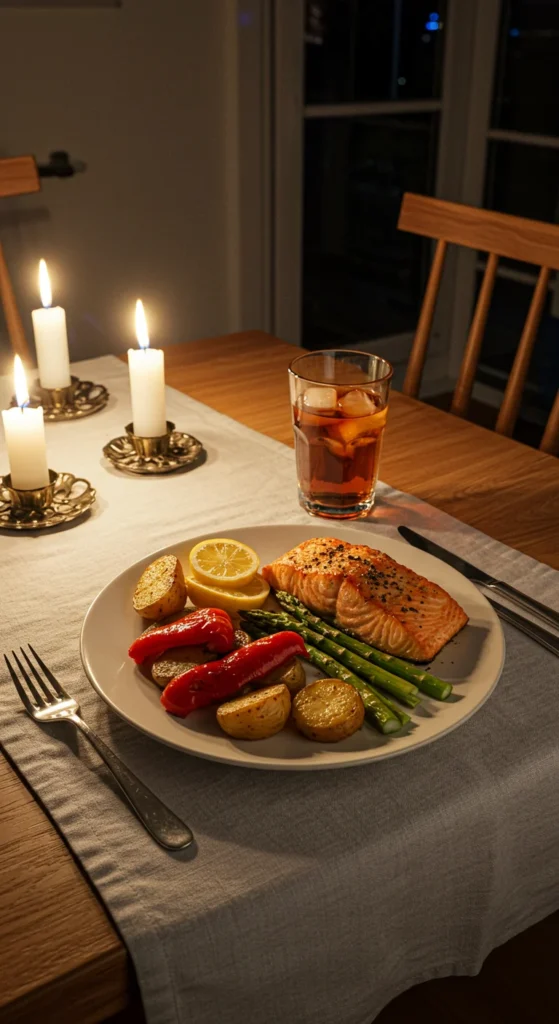
- Roasted vegetables like broccoli, zucchini, or carrots.
- Garlic mashed potatoes or wild rice pilaf for comfort.
- Crisp green salad with vinaigrette for a lighter touch.
Complement your dish with a chilled white wine like Sauvignon Blanc or Chardonnay for an elegant balance.
Final Takeaway
Cooking salmon that’s tender and flavorful isn’t complicated — it’s all about fresh ingredients, gentle heat, and a touch of creativity. Once you’ve mastered the basics, experiment with glazes, spices, and sides to make it uniquely yours.
Save this recipe for later — your next salmon dinner might just become your signature dish!
Leave a Reply